The NAMM Show 2026 delivered another year of innovation, bringing together cutting-edge guitar technology, boutique craftsmanship, and gear that pushes the boundaries of what’s possible.
From guitars that literally show you the right notes, to instruments that prove tonewood might not be everything, this year’s show floor was packed with surprises. Here’s a look at some of the standout gear that caught my attention at NAMM 2026.
The Guitar That Lights Your Way: Litejam LED Fretboard
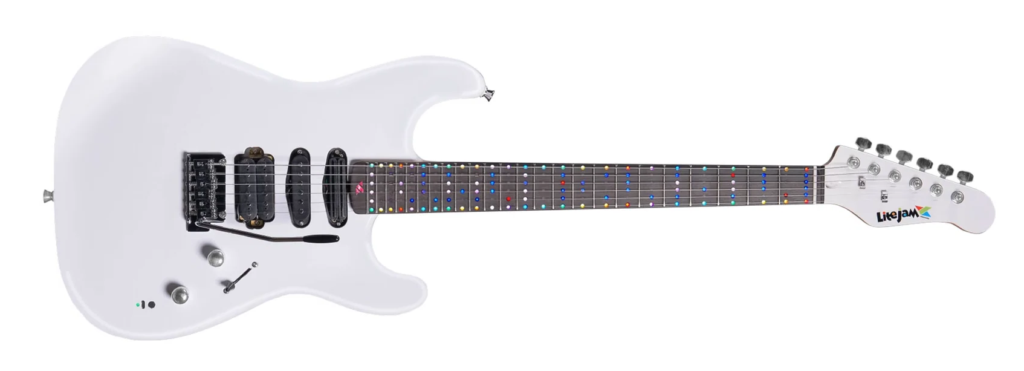
Imagine looking at your fretboard and having the right notes simply light up in front of you.
That’s exactly what Litejam has created—a guitar with LEDs embedded in every fret position across the entire neck. Originally funded through Kickstarter, this innovative learning tool connects to a mobile app that lets you visualize scales, chords, and arpeggios directly on the fretboard.
The system uses blue lights to indicate notes within a scale and red lights to mark root notes.
Want to see E major across the entire neck? It’s there instantly. Need to focus on just the first position? The app lets you isolate exactly what you want to practice.
The technology also extends beyond basic major scales—jazz voicings, different chord positions, arpeggios, and even modes like E Phrygian all light up on demand.
One of the most impressive aspects of the guitar is that the LEDs are completely flush with the fretboard—you can’t feel them at all under your fingers. The guitar also has patterns programmed directly into the instrument, so you can practice even without your phone nearby.
For guitarists who find themselves always returning to the same positions on the fretboard, the LED system reveals alternative pathways and positions you might not typically explore. It’s not just a beginner’s tool—it’s a way to break out of familiar habits and discover new musical possibilities.
MIDI Meets Guitar: The Strandberg x Jamstick Chameleon
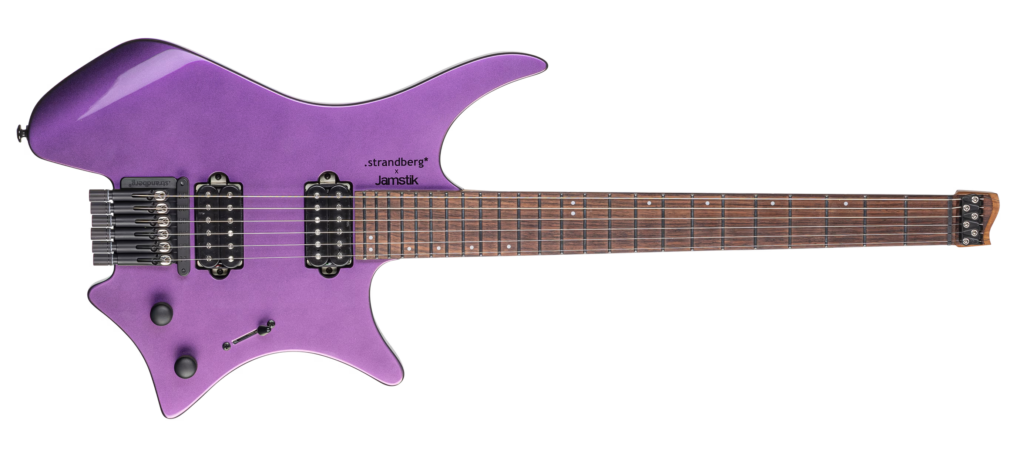
The line between traditional guitar and MIDI controller continues to blur, and the Jamstick Chameleon demonstrates this evolution beautifully. Built on Strandberg’s Essential model platform with Strandberg OEM pickups, this headless guitar includes integrated Jamstick MIDI technology that opens up endless creative possibilities.
The guitar features two outputs—traditional audio and MIDI—allowing you to play it as a regular electric guitar or use it to trigger any virtual instrument, DAW plugin, or notation software that accepts MIDI input. Connection options include both USB-C and Bluetooth, giving you wireless freedom when needed.
What makes this implementation particularly impressive is how the MIDI responds to guitar techniques. Vibrato translates to pitch modulation that you can see wiggling on screen. String bends track accurately, moving the pitch up and down as you’d expect. The responsive nature of the system removes much of the thinking typically required with MIDI guitar controllers.
Through the Jamstick Creator software, the guitar can produce everything from synthesizer pads to vocal sounds to piano tones—all controlled through guitar playing. For guitarists who struggle with keyboard controllers, this offers a much more intuitive way to access the world of virtual instruments and production tools.
Eastman FullerTone: Collaborative Design That Works
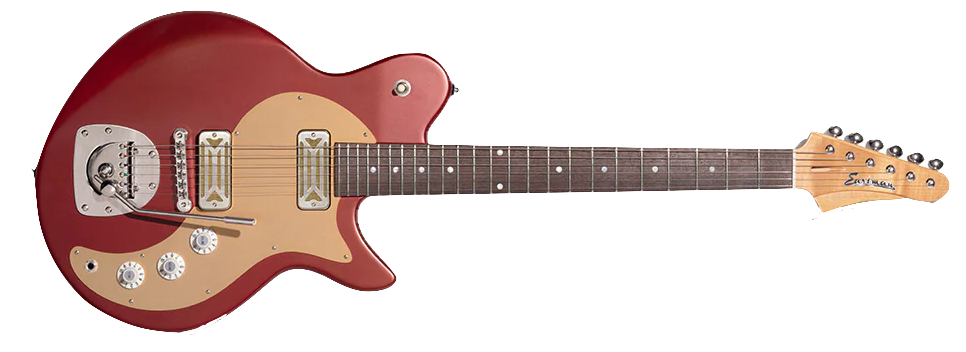
Sometimes the best innovations come from refining existing designs rather than reinventing the wheel. The Eastman FullerTone guitar represents a true collaborative effort between builder and player, where a little bit of my hands-on experience led to meaningful improvements.
The story began when Eastman sent me their D’Ambrosio offset model for evaluation. After spending a couple of weeks with the instrument, a few specific details emerged that I thought could improve the playing experience. While the suggested changes were quite small, Eastman recognized they would make huge differences to playability and incorporated them into their FullerTone model.
Three key improvements define the refined instrument.
First, the arm bevel extends further down the body than with the D’Ambrosio , creating better balance and a more comfortable playing position.
Second, the pickup selector switch moved higher on the body to remain accessible when your arm is resting on the guitar—the original placement meant the tremolo arm would block access to the switch.
Third, the pickguard was enlarged to accommodate a relocated volume control that’s easier to reach during playing, solving another issue where the tremolo arm interfered with the original knob position.
The guitar features Eastman’s “fuller tone” neck design, where the neck extends underneath the neck pickup and locks into the body with two visible screws. This construction method delivers increased sustain, improved tone, and exceptional stability—the neck won’t shift even without the screws fully tightened.
Perhaps most impressive is the price point. I originally thought the guitar was $2000, but it’s actually $999 street price, whether you’re shopping in US dollars or euros. For a guitar with this level of refinement and thoughtful design that incorporates real-world player feedback, it represents exceptional value.
The Era 30: Mark Sampson’s Final Masterpiece
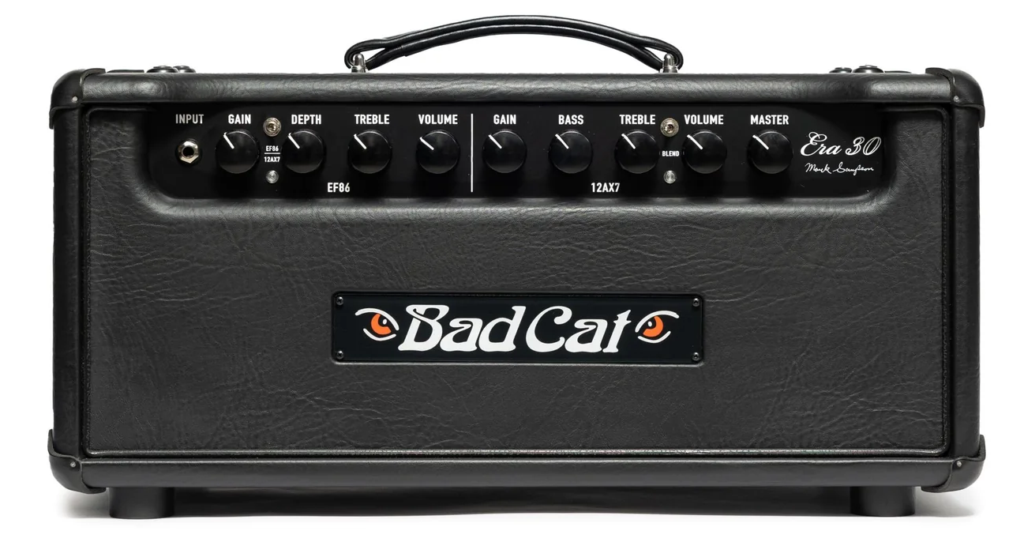
Some gear carries emotional weight beyond its sonic capabilities. The Badcat Era 30 represents the final amplifier design from Mark Sampson—the legendary engineer behind many of the iconic designs from Matchless and Bad Cat amps —before his sudden passing in 2024.
Sampson’s mission when rejoining Badcat was clear: create the ultimate Vox-inspired amplifier. The Era 30 is his answer—an idealized two-channel DC30 designed by the master himself. The amp features both an EF86 channel and a 12AX7 channel that can be used independently or blended together for maximum tonal flexibility.
When you push the gain on the EF86 channel, the amp delivers punchy, direct overdrive with the legendary Matchless chime that made Sampson’s designs famous. The 12AX7 channel offers a different character, and the ability to blend both channels creates a wide palette of tones. There’s also a bass inverter that adds even more gain when needed.
This amplifier doesn’t forgive sloppy playing—every note shines through the mix. But for players who are looking for that clarity, the Era 30 rewards touch sensitivity and dynamic control like few other amps can. It represents a more usable, slightly friendlier evolution of the classic DC30 design while maintaining everything that made those amplifiers special.
I think I might have just found my new favorite amp!
The Tonewood Debate: James Trussart Steelcaster
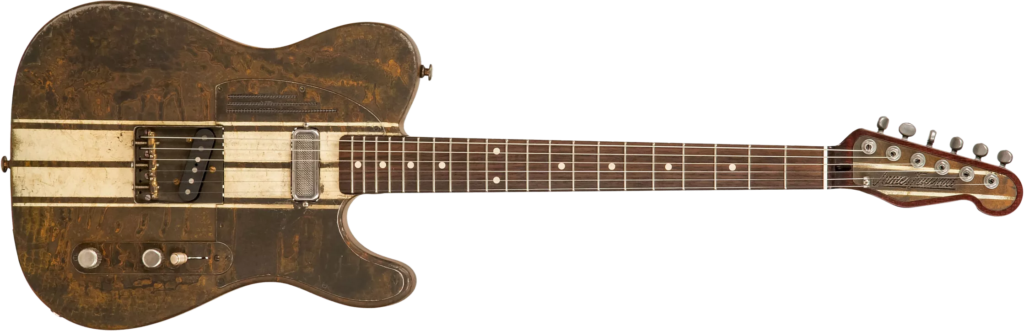
Does tonewood matter? One aluminum-bodied “Steelcaster” from James Trussart Custom Guitars at NAMM 2026 provided compelling evidence that body material plays a significant role in electric guitar tone. The instrument features a completely hollow aluminum body with no wood involved except for the maple neck.
Looking through the transparent body construction is visually striking, but the real revelation comes when you plug it in. The guitar sounds distinctly different from any wooden-bodied instrument I’ve ever played. The tone has a unique character that proves the body material contributes meaningfully to the overall sound.
James Trussart has been creating metal guitars since the 1980s, with instruments made for Eric Clapton, Robert Cray, Billy Gibbons, Joe Perry and many others. The construction is extremely stable, and the resulting tone is genuinely magical in its own right. It challenges assumptions about what makes an electric guitar sound the way it does.
Nucleo Reverb: Three Years in the Making
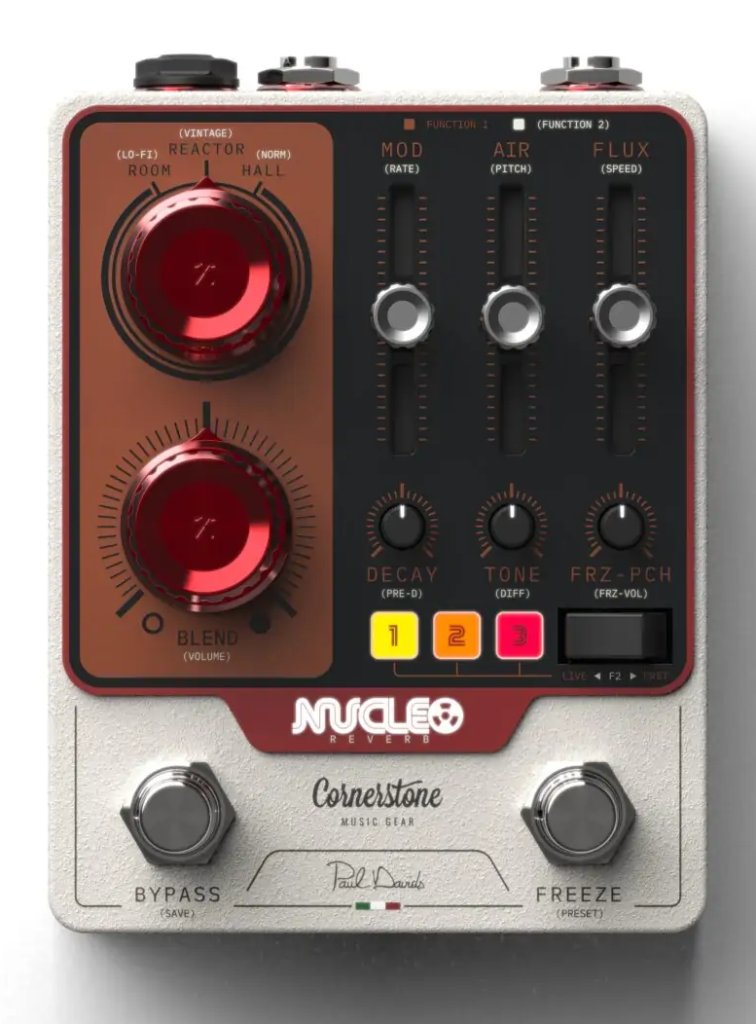
Some gear at NAMM carries extra significance when you’ve been part of its creation from the very beginning. The Nucleo reverb pedal, developed in collaboration with Cornerstone, represents three years of development, countless design revisions, and a journey that began inside an abandoned nuclear power plant.
The pedal’s concept originated from recordings made in that decommissioned reactor facility—a space with such extraordinary natural reverb that it needed to be captured and shared. Those jaw-dropping acoustics became the foundation for the Nucleo’s three reverb modes: the control room (a versatile room reverb), the cooling chamber (a lush hall), and the massive reactor floor (a larger-than-life ambient reverb).
What started as brainstorming sessions evolved into a year of prototyping, testing, and refinement. Features kept getting added as the vision expanded: freeze functions with pitch shifting, musical modulation that never gets too extreme, shimmering octave effects, and characteristic modes (normal, vintage, and lo-fi) that completely transform the pedal’s personality.
Testing the Nucleo through a stereo amplifier setup at NAMM revealed what the effect truly accomplishes. Stereo reverb creates a three-dimensional soundscape that mono configurations simply cannot match. The pedal delivers everything from subtle room ambience to massive, experimental textures while maintaining clarity even at more extreme settings. The stereo imaging keeps everything separated and distinct, allowing the reverb to enhance rather than obscure your playing.
The Nucleo is handbuilt in Italy by Cornerstone, featuring isolated stereo outputs to avoid ground loops, phase flip switches for running two amps, and both mono and stereo operation modes. Beyond the technical specifications, it’s a pedal that grew from genuine inspiration—proof that sometimes the best gear comes from chasing a sound you can’t stop thinking about.
Kernom Moho: Fuzz History in One Pedal
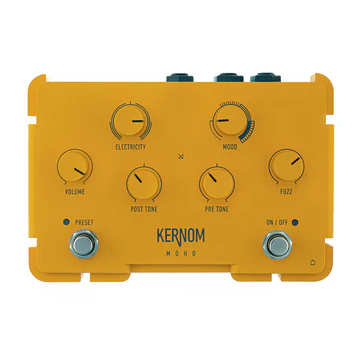
A few years back, Kernom released an overdrive pedal (which I covered in this YouTube video) that could emulate virtually any classic overdrive circuit—from the King of Tone to the Tube Screamer to countless clones in between. That versatile approach to effect design has continued with two new pedals: a fuzz and a modulation unit.
The fuzz pedal, called the Moho, tackles an ambitious goal: pack the complete history of fuzz into a single unit. From vintage germanium tones to modern high-gain mayhem, it covers the entire spectrum of fuzz evolution.
But the Moho goes beyond typical fuzz territory. At the extreme end of the mood control lies a full ring modulator, capable of creating wild, experimental textures that venture far outside conventional fuzz sounds. It’s a pedal that rewards experimentation, with enough range to cover traditional fuzz applications while offering sonic possibilities that push into truly unusual territory.
The Elipse modulation pedal follows the same philosophy—comprehensive coverage of modulation options in one compact design.
Both pedals represent Kernom’s approach: why collect multiple pedals when one well-designed unit can contain decades of effect evolution? It simplifies your pedalboard while expanding your tonal options, making it easier to access diverse sounds without expanding your pedalboard real estate.
Mentha Works Monk Echo: Formant-Filtered Reverb and Delay
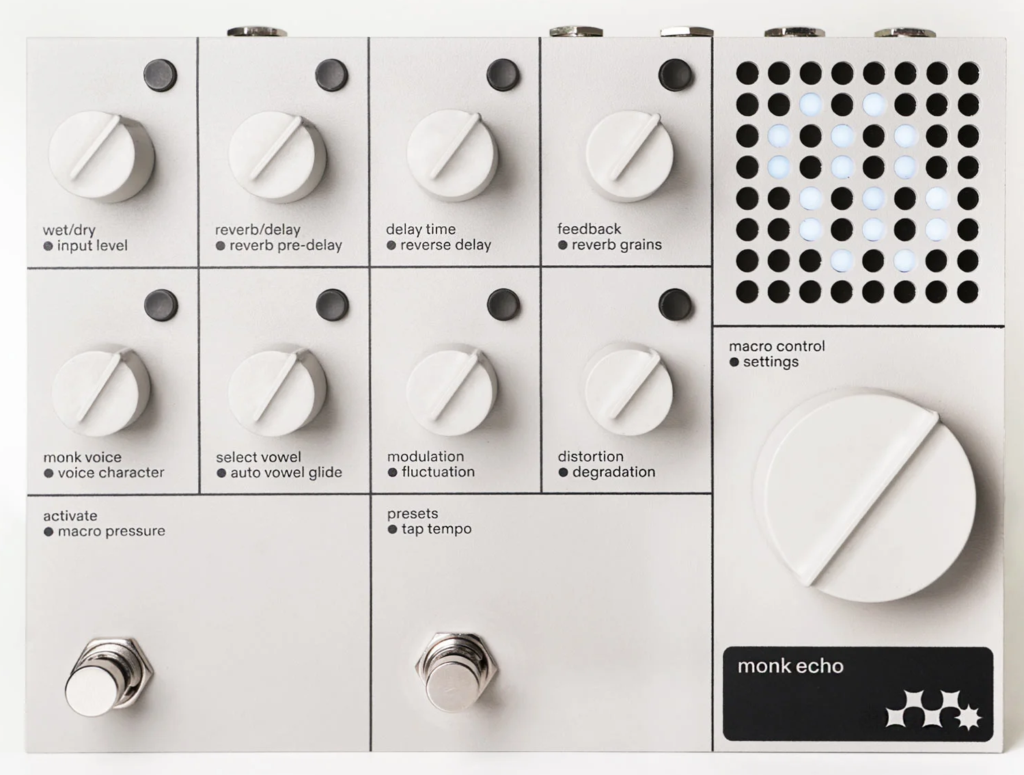
New pedal company Mentha Works from Latvia made their debut at NAMM 2026 with the Monk Echo, a reverb and delay pedal with an unusual twist. The pedal treats the reverb and delay tails with formant filters, creating textures that sound like monks chanting—hence the name.
The delay side includes modulation capabilities, and you can mix and match reverb with delay in creative ways. Both effects feature infinite feedback modes, but unlike typical freeze functions, you can continue feeding new audio into the infinite tails, creating evolving soundscapes.
The pedal embraces a deliberately unsafe digital design philosophy—massive amounts of distortion are available, though the unit compensates output volume to prevent ear damage. This digital effect doesn’t play it safe, encouraging experimentation and boundary-pushing sounds.
Boutique Artistry: Guitars as Visual Statements
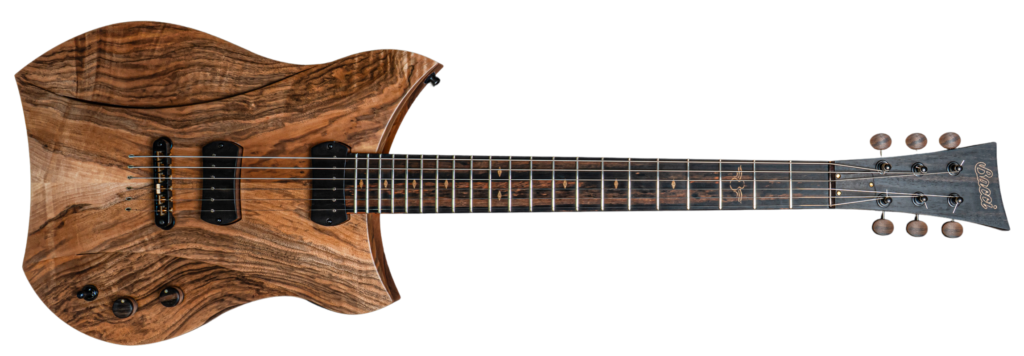
The boutique guitar section at NAMM showcased instruments that blur the line between practical playing tools and pieces of art.
I spoke with William Parent Senez of Senez Guitars, who draws inspiration from Art Nouveau and Gaudi architecture, creating guitars with expressive curves and elegant aesthetics.
I also had the chance to catch up with my friend Bruno from Bacci Guitars, who has spent the last nine years developing the Tosca—a remarkable hybrid that bridges the gap between acoustic and electric guitar. The challenge wasn’t just combining both worlds, but doing so without relying on piezo systems. Instead, the Tosca captures the genuine acoustic resonance of its hollow body construction alongside authentic electric pickup tones.
Using custom Kloppmann mini-humbuckers specifically voiced for the Tosca’s skeletal chambering system, with knobs and pickup covers designed to match the instrument’s architecture, every detail serves the guitar’s dual nature.
The result is an instrument with tremendous character that doesn’t sound like anything else. It’s the kind of guitar that inspires you to play different things while making familiar material sound fresh—a true hybrid that successfully delivers both acoustic resonance and electric articulation in one thoughtfully designed package.
Honorable Mentions: More NAMM Highlights
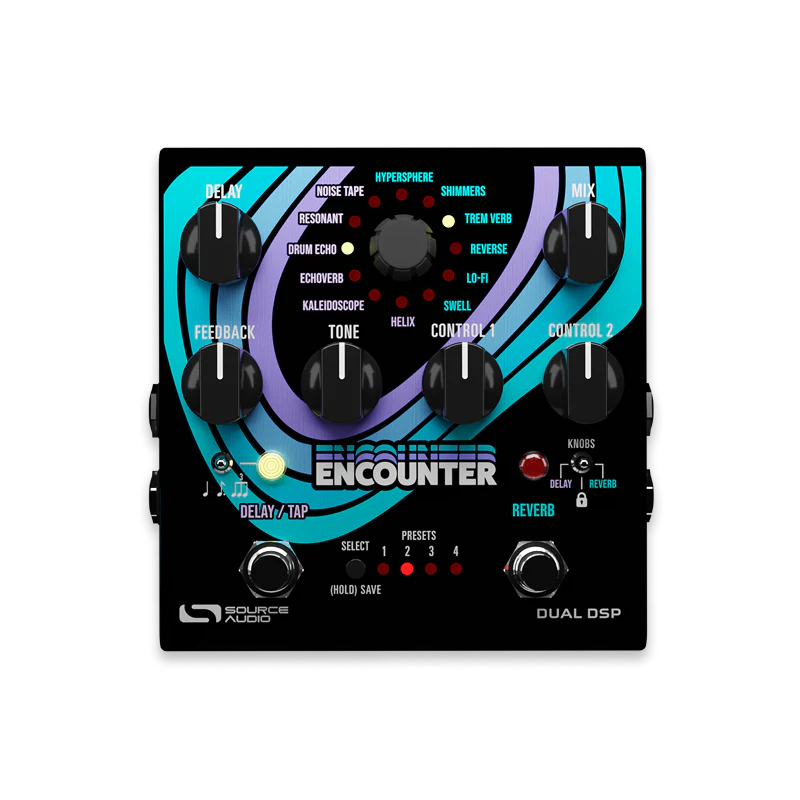
The gear covered above represents just some of the incredible innovations at NAMM 2026. The show floor was packed with remarkable instruments and effects that deserve recognition, even if time didn’t allow for deeper exploration.
The Collings Ladybird proved that premium craftsmanship can elevate any tonewood. Built with poplar—a material often overlooked in high-end guitars—the Ladybird demonstrated that construction quality and design matter as much as exotic wood selection. There’s something special about how this guitar responds, showcasing Collings’ ability to bring out the best in every material they work with.
The Source Audio Encounter overdrive paired with the Zio preamp pedal demonstrated how thoughtful gain staging creates exceptional tone. The variety of boutique builders showcasing their artistic visions proved that the electric guitar remains a canvas for creativity and innovation.
These were just some of the amazing brands and builders encountered across the show floor—each one contributing to what made NAMM 2026 such a memorable experience.
Final Thoughts
NAMM 2026 continued the show’s tradition of presenting both cutting-edge technology and timeless craftsmanship. Whether you’re drawn to LED learning systems, MIDI integration, boutique artistry, or amplifiers designed by legendary engineers, this year’s show floor offered something compelling for every type of player.
The most exciting gear doesn’t always represent the biggest technological leap—sometimes it’s about thoughtful refinement, creative problem-solving, or simply building something with enough character to inspire new musical ideas. That’s what makes NAMM special: it’s where innovation meets tradition, where practical tools sit alongside artistic statements, and where the future of guitar playing takes shape one booth at a time.
See you next year!