The Journal.
Interviews with the players I admire, gear deep-dives, song breakdowns, and lessons from the studio.

Mike Dawes is a master of creating entire band arrangements on a single acoustic guitar. When you watch him perform, you hear what sounds like multiple instruments—bass, drums, chords, and melody—all happening simultaneously. The secret? A combination of DADGAD tuning, innovative technique, and years of careful compositional practice.

When seven-time Grammy-winning musical wizard Jacob Collier picks up a guitar, he doesn’t reach for the standard six-string instrument most players know. Instead, Collier has pioneered a unique five-string guitar approach that has revolutionized his compositional and performance style.
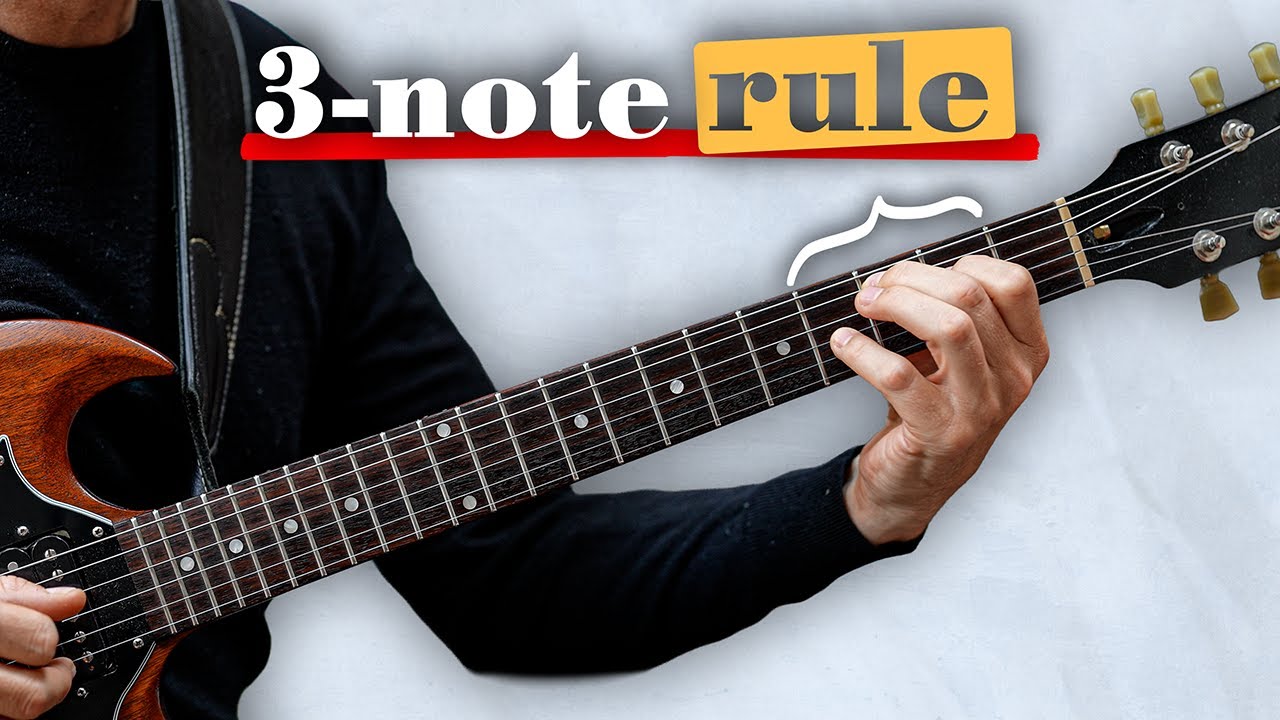
I’m going to make a bold claim: the next five minutes could be the most valuable time you ever spend with a guitar. And no, this isn’t hyperbole. Shell chords are a technique I use constantly – in shows, recording sessions, jam sessions, and when learning and writing new songs.
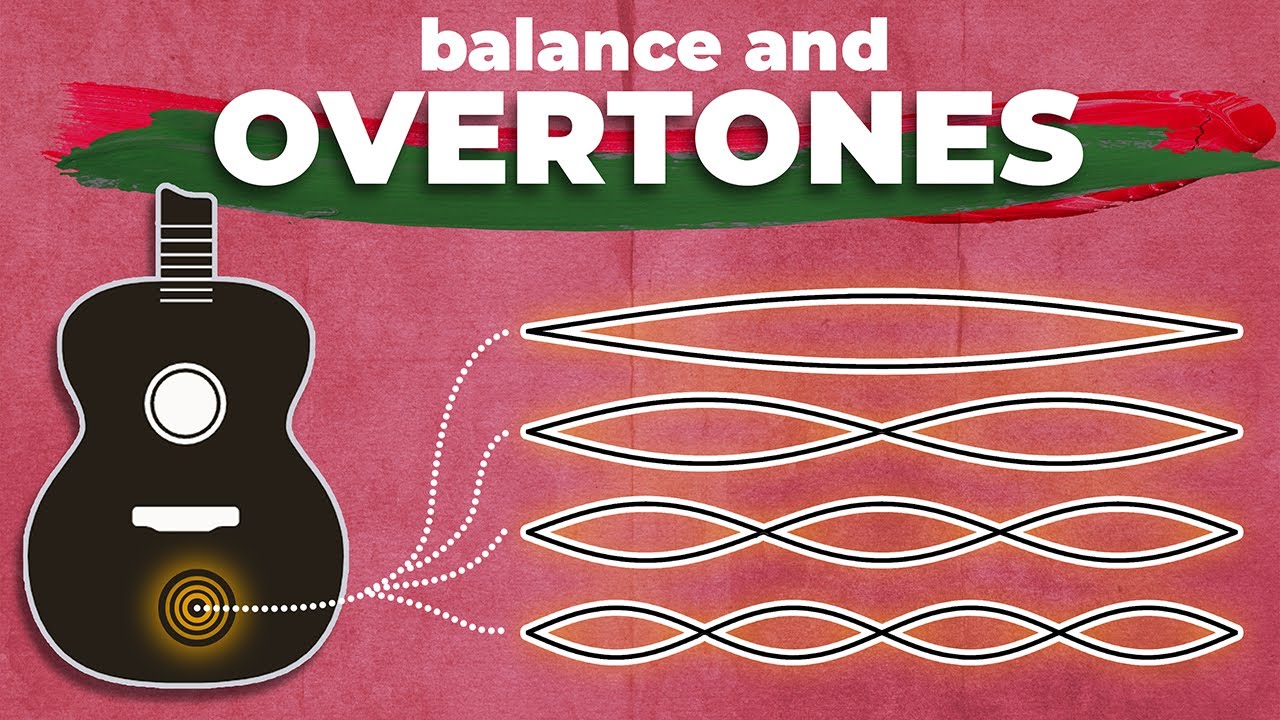
When you pluck an open E string on a guitar, you’re hearing far more than a single note. Hidden within that tone are dozens of overtones stacked together, creating the rich, complex sound that separates an exceptional instrument from an average one.

Have you ever wondered how professional guitarists make simple chord progressions sound so captivating? Well there’s a number of reasons, but one of the “secrets” lies in suspended chords (commonly referred to as “sus” chords) – and how you can use them to create musical tension and resolution.

When John Mayer released Continuum in 2006, one track stood out for its deceptively complex fingerpicking: “Stop This Train.” The intro alone features a beautiful fingerpicked pattern in D major that’s challenging enough.