While the electronics play a huge role in an electric guitar’s sound, the wood used in construction has a significant impact on tone, sustain, and feel. Let’s break down the most common tonewoods and how they affect your guitar’s sound.
Common Body Woods
Alder
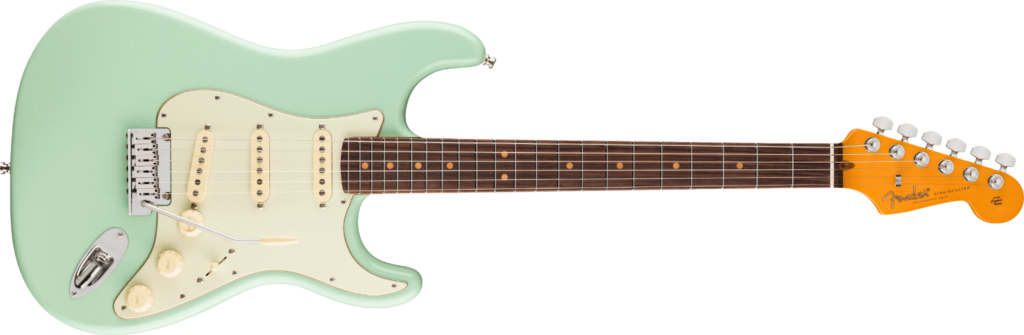
Tone characteristics: Balanced, slightly bright, with good midrange definition.
Weight: Medium-light (good news for your shoulder during long gigs).
Notable examples: Most American Fender guitars from the ’50s through the ’70s, and many current models.
My experience: Alder provides a versatile tone that works well across many styles. It’s one of my favorite woods for Stratocaster-style guitars because it balances clarity with enough warmth to prevent harshness.
Ash (Swamp Ash and Northern Ash)
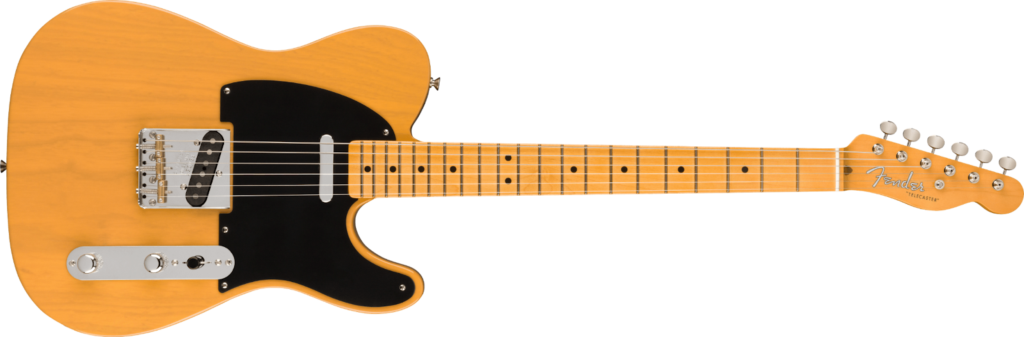
Tone characteristics:
- Swamp Ash: Light, resonant with a slight scoop in the midrange. Beautiful clarity.
- Northern Ash: Heavier, with more pronounced mids and brighter highs.
Weight: Swamp ash is lightweight; northern ash is much heavier.
Notable examples: Many Fender guitars, especially those with translucent finishes. Classic ’50s Telecasters often used ash.
My experience: I love swamp ash for its resonant quality and beautiful grain patterns. It has a “scooped” sound that lets lows and highs stand out, making it great for clean tones and funk.
Mahogany
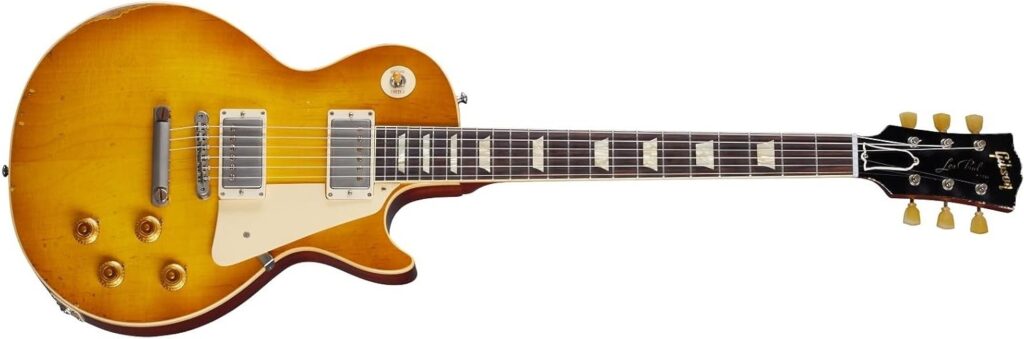
Tone characteristics: Warm, rich, with strong mids and bass. Excellent sustain.
Weight: Medium-heavy to heavy.
Notable examples: Gibson Les Paul (body), SG (body and neck), many PRS guitars.
My experience: Mahogany has a decidedly warmer, thicker tone than alder or ash. It’s part of what gives Les Pauls their characteristic warmth and sustain. If you play blues or rock and want that rich, singing quality, mahogany is worth considering.
Basswood
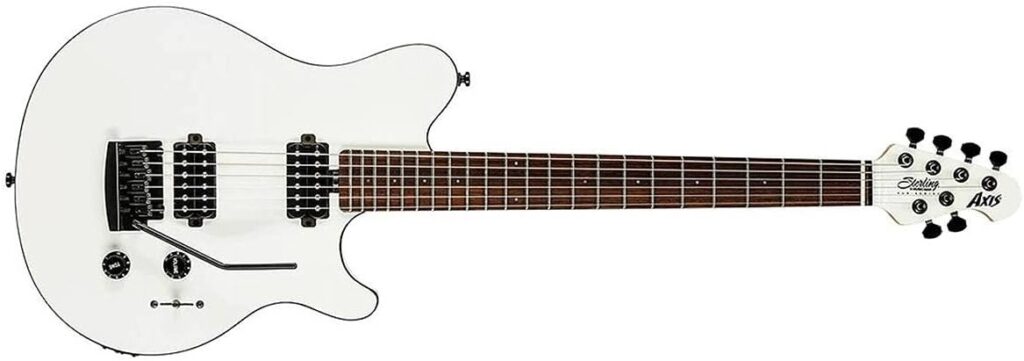
Tone characteristics: Balanced, neutral, with a slight emphasis on mids.
Weight: Light to medium.
Notable examples: Many Ibanez guitars, Fender Contemporary series, various “super strat” style guitars.
My experience: Basswood gets overlooked sometimes because it’s not as visually striking, but it’s a very musical-sounding wood. Its balanced tone makes it a fantastic choice for versatile instruments, especially those designed for rock and metal.
Maple
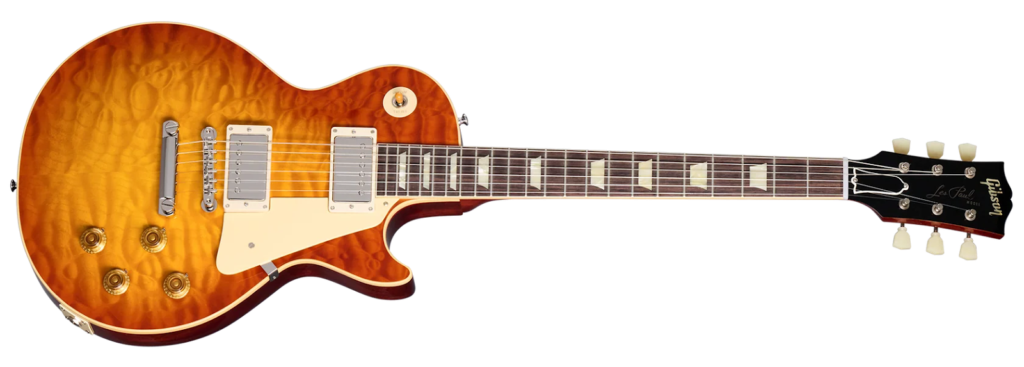
Tone characteristics: Bright, tight, with excellent note definition and attack.
Weight: Medium to heavy.
Notable examples: Often used as a top wood on Les Pauls, or for necks on many guitar brands.
My experience: While less common as a body wood (except as a cap on Les Pauls), maple adds brightness and clarity wherever it’s used. It pairs beautifully with mahogany to create a balanced tone.
Body Construction Methods
Solid Body
The most common construction method, where the body is crafted from solid pieces of wood.
Pros: Maximum sustain, minimal feedback issues, durability.
Cons: Heavier than chambered or hollow designs.
Chambered Body
Solid bodies with strategic chambers (hollow spaces) routed into them.
Pros: Lighter weight, slightly more resonant than fully solid bodies.
Cons: Slightly less sustain than a solid body, though the difference is often minimal.
My experience: As I’ve gained more experience as a player, I’ve grown to appreciate chambered guitars. The weight relief is noticeable during long gigs, and the subtle resonant quality can add character to your tone.
Weight-Relieved
Similar to chambering but typically refers to bodies with several small holes drilled into them that aren’t connected (commonly seen in Gibson Les Pauls).
Pros: Reduces weight while maintaining much of the solid-body characteristics.
Cons: Purists might argue it affects tone (though blind tests suggest most people can’t tell the difference).
Neck Woods
Maple
Characteristics: Bright, tight response, very stable.
Feel: Smooth, sometimes finished (gloss or satin), though unfinished maple necks exist too.
Where you’ll find it: Standard on most Fender guitars, often with a separate fingerboard of rosewood or maple.
Mahogany
Characteristics: Warmer, more midrange-focused sound.
Feel: Often has a slightly “softer” feel than maple, though this is subjective.
Where you’ll find it: Gibson guitars, many PRS models.
Fingerboard Woods
Maple
Characteristics: Bright, snappy attack, tight feel.
Feel: Smooth, often with a finish applied (though some modern maple boards are unfinished).
My experience: Maple fingerboards tend to emphasize the attack and initial pick sound. I find them excellent for styles where note definition is key.
Rosewood
Characteristics: Warmer, more rounded highs.
Feel: Naturally oily, smooth without requiring a finish.
My experience: Rosewood takes a bit of the edge off compared to maple. I often prefer it for lead playing where I want a smoother, less aggressive sound.
Ebony
Characteristics: Bright but with better balance than maple; very dense.
Feel: Incredibly smooth, almost glass-like when well-polished.
My experience: Ebony offers the best of both worlds between maple and rosewood – the clarity of maple with a touch of rosewood’s warmth. It’s also incredibly durable and feels luxurious under your fingers.
Tonewood Myths and Realities
There’s an ongoing debate about how much wood affects an electric guitar’s tone. Here’s my perspective:
Myth: “Wood doesn’t matter in electric guitars – it’s all in the pickups.”
Reality: While pickups are indeed crucial, the resonant properties of wood absolutely influence how your strings vibrate, affecting sustain, attack, and harmonic content before the signal even reaches the pickups.
Myth: “You need expensive, exotic woods for good tone.”
Reality: Traditional woods like alder, ash, and mahogany have been used in iconic guitars for decades because they sound great. Exotic woods might look stunning but don’t necessarily sound better.
Choosing Woods: A Practical Approach
Rather than getting too caught up in wood specifications, consider these guidelines:
- For bright, articulate tones: Consider ash or alder bodies with maple necks/fingerboards.
- For warmer, fuller tones: Look at mahogany bodies, possibly with mahogany necks and rosewood fingerboards.
- For balanced, versatile tones: Alder or basswood bodies with maple necks and rosewood fingerboards offer excellent versatility.
Remember, you can always adjust tone with your pickups, amp, and pedals – but starting with a guitar that naturally leans toward your preferred tonal direction gives you a better foundation.
A Personal Note on Tonewoods
While I enjoy the subtle differences between woods, I’ve learned not to get too hung up on specifications. I’ve played mahogany guitars that sound bright and maple-capped guitars that sound warm. If you’re interested in learning more about different guitar types, checkout my video “Electric Guitars Types: Everything you must know“. Construction quality and design matter more than rigid adherence to tonewood “rules.” Trust your ears above all else!