When you’re looking to buy an electric guitar, one of the first things to understand is the different types available. Each type has its own characteristics that affect everything from tone to playability. So before you dive into the specifics, I’d recommend checking out my video “Electric Guitar Types: Everything you must know” where I play through various styles of guitars:
Solid-Body guitars.
The most common type of electric guitar you’ll encounter is the solid-body. As the name suggests, these guitars are made from solid pieces of wood with no sound holes or chambers.
Solid-Body Guitars
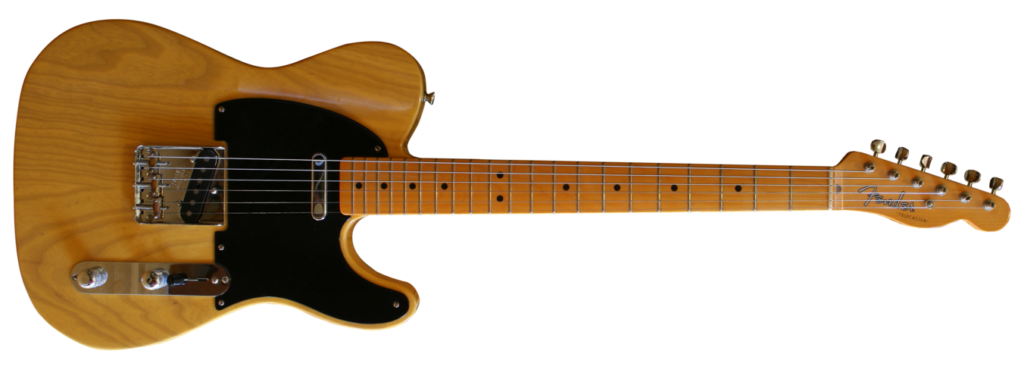
They offer excellent sustain, have minimal feedback issues at high volumes, and they’re incredibly versatile across most musical genres. The majority of my collection consists of solid-body guitars because they’re so reliable and adaptable.
Semi-Hollow Body guitars.
Semi-hollow guitars feature a solid center block of wood with hollow “wings” on either side. They typically have f-holes on the top of the guitar, similar to those found on violins. Check out my video where I play my Gibson ES-335:
Semi-Hollow Body Guitars
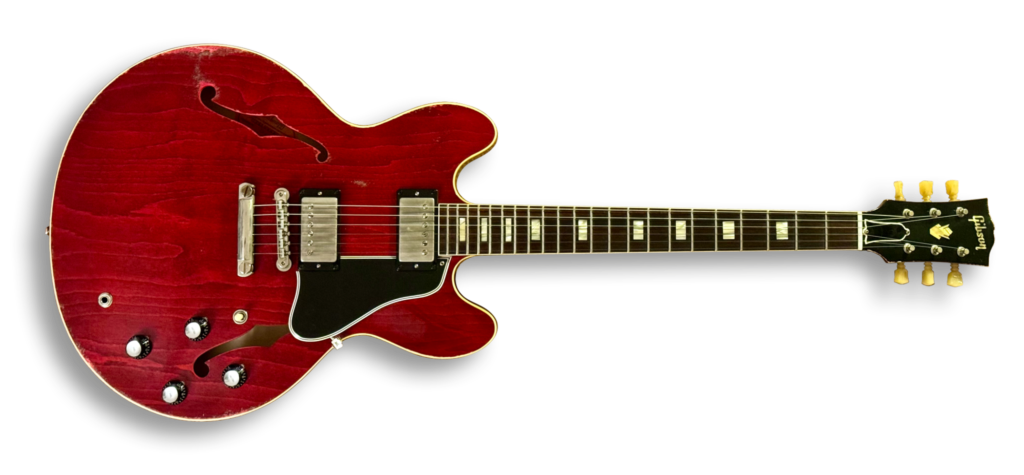
They offer a warmer, more resonant tone than solid-bodies, with a bit more acoustic-like character. They still resist feedback better than fully hollow guitars, making them versatile enough for most settings.
Hollow-Body guitars.
Also known as “jazz boxes,” hollow-body electric guitars have completely hollow bodies, similar to acoustic guitars but with thinner bodies and electric pickups.
Hollow-Body Guitars
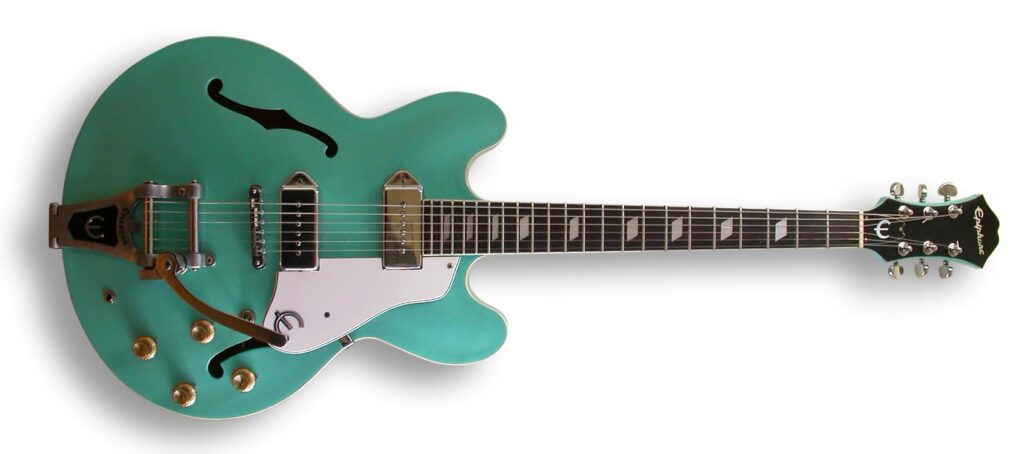
They provide the warmest, most acoustic-like tone of all electric guitars. They’re incredibly responsive to playing dynamics and have a distinctive character.
Choosing between guitar types. A quick decision tree.
What style of music do you primarily want to play?
- Hard rock or metal? → Solid-body (preferably with humbuckers – but more on this later!)
- Blues, indie, or alternative? → Could go either solid-body or semi-hollow
- Jazz or rockabilly? → Consider a semi-hollow or hollow-body
- Will you be playing at high volumes or with lots of distortion? → Solid-body will be more manageable (less feedback)
- Do you want maximum versatility across genres? → Solid-body is your safest bet
A personal note on guitar types
My first “real” electric guitar was a solid-body, and I’d recommend the same for most beginners. They’re simply more forgiving and versatile. That said, there’s something magical about plugging in a semi-hollow or hollow-body guitar and feeling the body resonate with each note. If you’re drawn to that experience and the musical styles that typically use those guitars, don’t be afraid to start there instead.
Remember, these are just general guidelines. Some guitarists use semi-hollow guitars for metal or solid-bodies for jazz. The “rules” are meant to be broken, so ultimately go with what inspires you most!