If there’s one component that defines an electric guitar’s voice more than any other, it’s the pickups. Understanding different pickup types and configurations can help you find the sound you’re after.
Pickup types.
Single-Coil Pickups
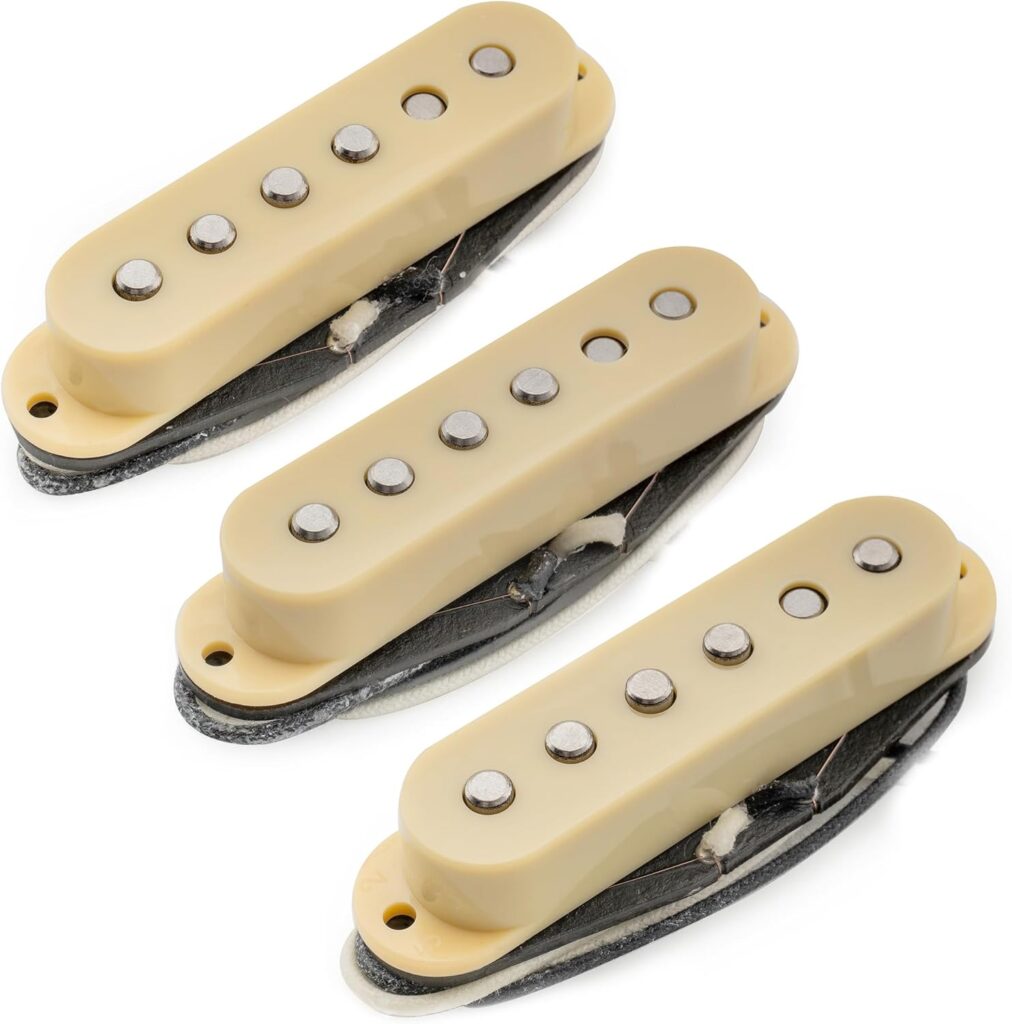
I love single-coils for their clarity and chime. That Strat “quack” between positions is one of my favorite guitar sounds. Yes, they can hum, but the trade-off in tone is worth it for many styles of music.
Humbucking Pickups
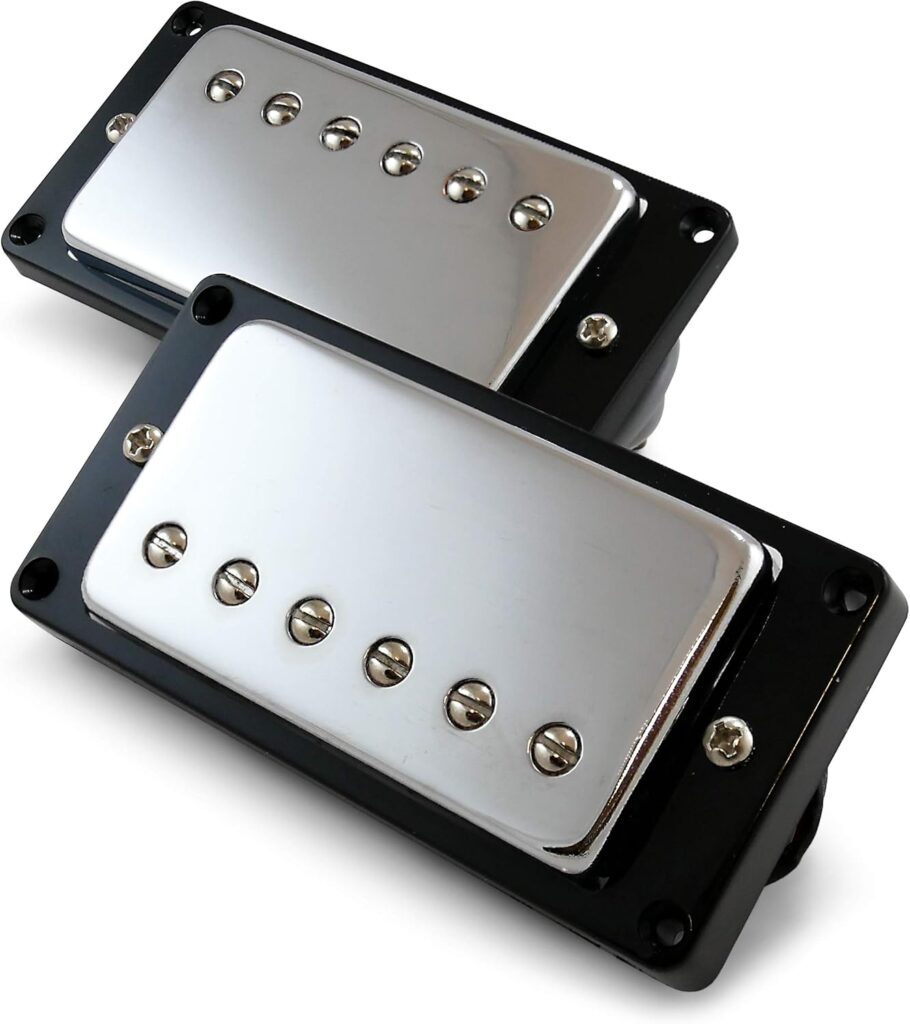
When I need a thicker, more powerful sound with great sustain, humbuckers deliver. They’re perfect for rock and heavier styles, but can also be wonderfully warm for jazz. The noise-cancelling operation is a significant plus in high-gain situations.
P90 Pickups
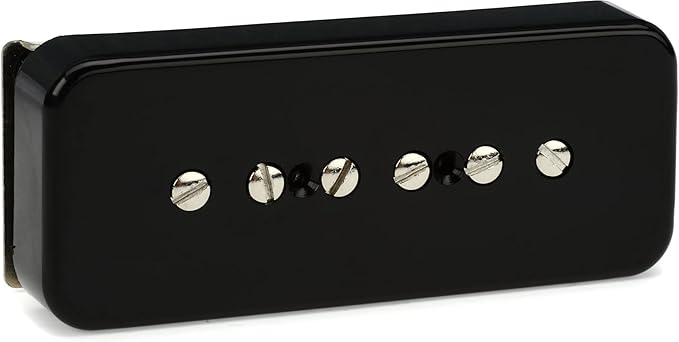
P90s are the unsung heroes of the pickup world. They offer a unique voice that’s perfect for blues and garage rock – raw but articulate. They also respond beautifully to overdrive pedals.
Active vs. Passive Pickups
Passive pickups (all of the above) don’t require external power and offer a more dynamic, responsive feel.
Active pickups use a preamp powered by a battery to boost the signal, offering:
- Higher output
- Lower noise
- Less susceptibility to cable capacitance (meaning tone stays consistent with long cables)
- More consistent response
- Often a more compressed, less dynamic feel
Where you’ll find active pickups: EMG and Fishman equipped guitars, primarily used for metal and hard rock.
My experience: While I mainly use passive pickups, active pickups excel in high-gain situations where clarity and noise-free operation are paramount. They’re particularly popular in metal for their tight low-end and consistent response.
Pickup configurations.
The S-S-S Configuration
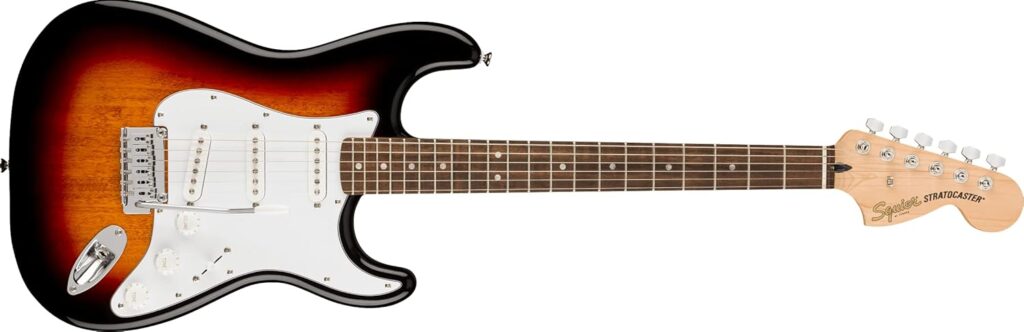
What it is: Three single-coil pickups (standard Stratocaster setup).
Tonal options:
- Bridge: Bright, twangy, great for cutting leads or country picking
- Middle: Balanced, good all-purpose tone
- Neck: Warmer, rounder, excellent for smooth leads
- Positions 2 & 4: The famous “quack” tone created by combining pickups in parallel
My experience: This might be the most versatile configuration of all. The five-way switch gives you a fantastic palette of sounds from one instrument.
The S-S Configuration
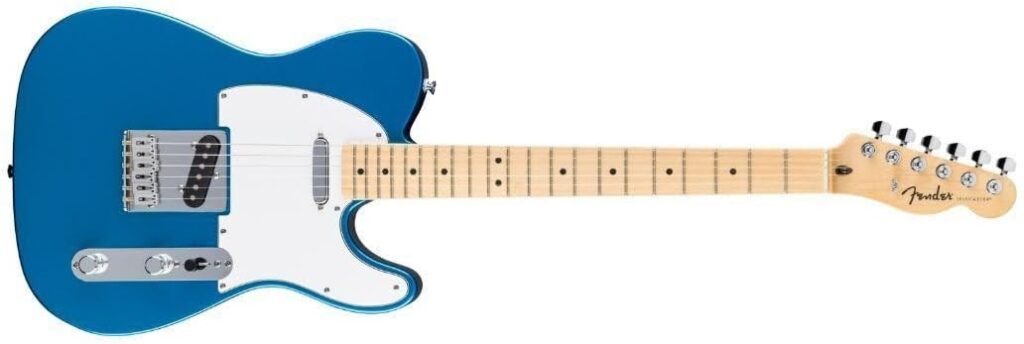
What it is: Two single-coils (standard Telecaster setup).
Tonal options:
- Bridge: Bright, cutting tone with incredible definition
- Neck: Warmer, fuller, but still clear
- Both: Balanced, slightly thinner than the neck alone
My experience: Sometimes less is more. The Telecaster’s two-pickup setup offers fewer options but each position is so usable and distinct.
The H-H Configuration
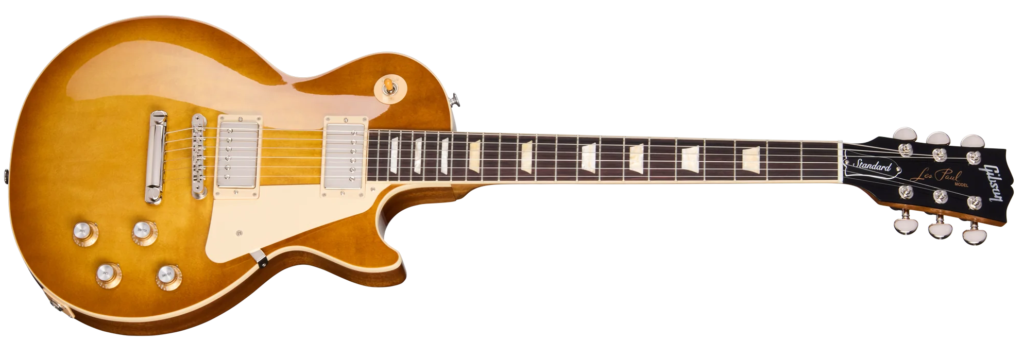
What it is: Two humbucking pickups (standard Les Paul setup).
Tonal options:
- Bridge: Powerful, focused, great for rhythm and leads
- Neck: Warm, smooth, perfect for jazz and fluid solos
- Both: Rich, full sound with excellent balance
My experience: This configuration excels at rockier styles but can be surprisingly versatile with good volume and tone controls.
The H-S-S Configuration
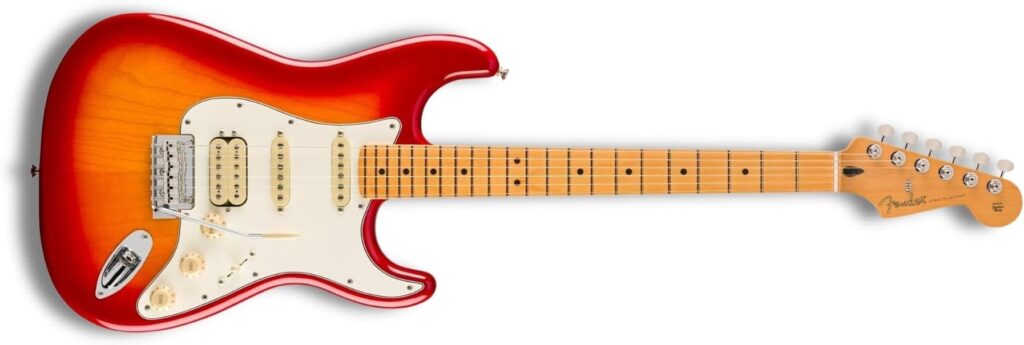
What it is: Humbucker in the bridge, single-coils in middle and neck (popular “Superstrat” setup).
Tonal options: Combines the power of a bridge humbucker for heavier playing with the clarity of single-coils for cleaner sounds.
My experience: This might be the ultimate “best of both worlds” configuration, which is why it’s so popular. You get the beef when you need it and the clarity when you don’t.
The H-S-H Configuration
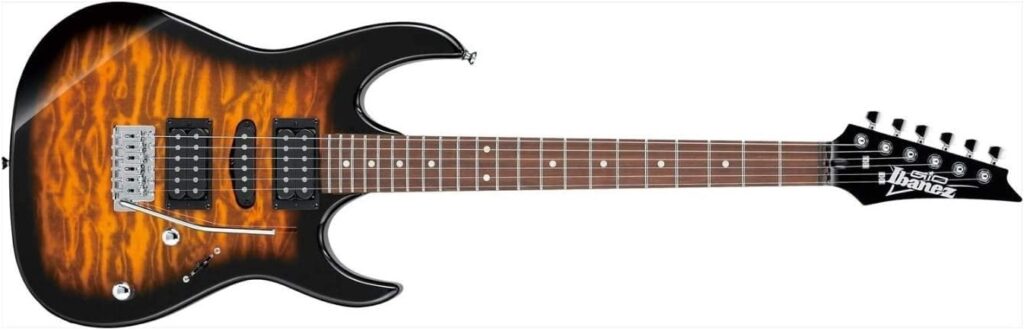
What it is: Humbuckers in the bridge and neck, single-coil in the middle.
Tonal options: Similar to H-S-S but with a warmer neck position for jazzier tones.
My experience: Great for players who primarily use the bridge and neck positions but want that single-coil option for occasional quack tones.
Coil-Splitting and Coil-Tapping.
Modern humbucking pickups often come with coil-splitting capability, allowing you to use just one coil of the humbucker for a more single-coil-like sound. This is typically activated by pulling up on a volume or tone knob.
Does it sound exactly like a single-coil? No, but it gets you closer to that territory from a humbucker-equipped guitar.
My experience: This feature adds versatility, though the split sounds usually lack some of the sparkle of true single-coils. Still, it’s a valuable option to have.
Electronics: Volume and Tone Controls.
The standard configuration is one volume and one tone control per pickup, though many guitars streamline this to:
- Master volume + master tone
- Individual volumes + master tone
- Other variations
More controls = more options but also more complexity and potentially more things that can go wrong.
My experience: I appreciate having individual volume controls for each pickup as it allows for balancing their outputs and creating fade-in effects. However, many great guitars (like the Telecaster) do just fine with simpler control layouts.
Pickup Switching.
The way pickups are switched varies by guitar model:
Blade switch: Common on Stratocasters and similar guitars, allowing easy selection between 3-5 pickup combinations.
Toggle switch: Found on Les Pauls and similar guitars, typically offering 3 positions.
Individual switches: Some guitars like the Jazzmaster have switches for each pickup.
My experience: Each system has its merits, but I find the Stratocaster-style blade switch the most intuitive for quick changes while playing.
Choosing Pickups: A Decision Tree.
Start here: what kind of music do you primarily play?
- Blues, country, funk, surf? → Single-coils likely ideal (S-S-S or S-S)
- Classic rock, hard rock, or metal? → Humbuckers or P90s might be better (H-H)
- A bit of everything? → Consider a hybrid configuration (H-S-S or H-S-H)
- Play in environments with lots of electrical interference? → Humbuckers will provide quieter operation
- Need maximum versatility from one guitar? → Look for coil-splitting options or H-S-S configurations
- Value note clarity and articulation above all? → Single-coils excel here, especially for complex chords
A personal note on pickups.
While I own guitars with all kinds of pickup configurations, I’ve found that great tone comes more from how you play than what pickups you use. That said, starting with pickups that are in the right ballpark for your style makes achieving your desired tone much easier. Feel free to watch my video where I change my pickups and see the results for yourself!
My advice: If possible, try guitars with different pickup types before buying. Your ears will tell you what works for your playing style better than any spec sheet.