The first thing that captures your attention about an electric guitar is its appearance. It’s important to note that these design choices are not arbitrary; the shape, contours, and overall visual presence of a guitar can be just as integral to its identity – and even its playability – as its electronics or wood materials.
In the following section, we will visually examine the most famous electric guitar body shapes and styles. We’ll discuss why they are designed the way they are, what subtle differences those shapes may provide in terms of feel, and how certain designs have become closely associated with entire music genres and the legends who played them.
Classic Body Shapes.
Stratocaster Style – Why It’s Everywhere & Who Plays It
If you’re looking for a guitar that’s comfortable, dynamic, incredibly versatile, and can cover almost any genre you throw at it – from clean funk to searing rock leads – a Stratocaster style guitar should definitely be on your shortlist.
Stratocaster Style
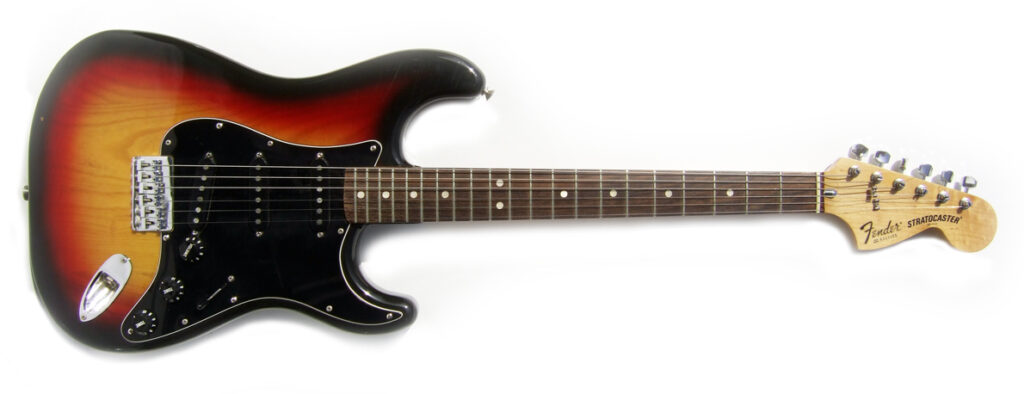
I’ve owned several Stratocasters over the years, and they remain among my favorite guitars. The ergonomics are hard to beat, and the sound is instantly recognizable yet versatile enough for almost any genre except perhaps heavy metal.
Famous Players & Their Strat-fueled Sound
- Jimi Hendrix: The man who practically invented how to make a Strat scream, cry, and transcend. Pure psychedelic rock, blues, and pure fire. His use of the tremolo, feedback, and neck pickup tone is legendary.
- Jeff Beck: A master of sonic exploration and whammy bar wizardry. Beck’s incredibly expressive and often vocal-like playing is deeply intertwined with the Strat’s capabilities.
- Mark Knopfler (Dire Straits): The epitome of clean, fingerstyle precision. Knopfler’s articulate, bell-like tones are often achieved on a Strat, showcasing its incredible clarity for intricate playing.
- Nile Rodgers (Chic): The undeniable king of funk rhythm guitar. His incredibly tight, percussive, and clean strumming is pure Strat magic, utilizing those quacky in-between positions.
- David Gilmour (Pink Floyd): The master of soaring, lyrical leads and atmospheric textures. Gilmour’s iconic tone is heavily reliant on the Strat’s sustain and clarity, which he often combines with fuzz and delay.
- John Frusciante (Red Hot Chili Peppers): Known for his raw, soulful, and often funky rhythm and lead work, Frusciante’s sound is quintessential Strat, showcasing its versatility in modern rock.
Telecaster Style – The Unassuming Workhorse
If you’re after a guitar that’s incredibly reliable, cuts through a mix like a hot knife through butter, has surprising warmth, and just feels direct in your hands, a Telecaster style guitar is a timeless choice. It might be simple, but it’s deceptively powerful and will probably outlast us all.
Telecaster Style
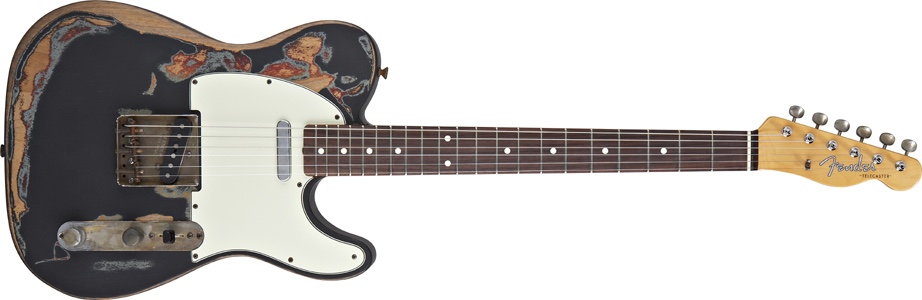
The Telecaster might look simple, but its sound is anything but. I love the clarity and definition you get from a good Tele, especially for rhythm playing.
Famous Players & Their Tele-fueled Sound
- Keith Richards (The Rolling Stones): Often seen with his trusty “Micawber” Telecaster, he embodies the raw, gritty, undeniable rhythm power of the instrument. Pure rock and roll grit.
- James Burton: The undisputed “Master of the Telecaster” in country music. His chicken-pickin’ and expressive solos with Elvis Presley and others defined the sound for generations.
- Roy Buchanan: A legendary blues and country guitarist known for his incredible tone, volume swells, and vocal-like bends, all coaxed from his battered Tele. He proved its soulful depth.
- Albert Collins: “The Master of the Telecaster” in blues. Known for his icy tone, fingerstyle playing, and unusual tunings, he created a unique, instantly recognizable sound.
- Jeff Buckley: His ethereal, emotive vocals were often matched by the beautiful, clean, and dynamic tones of his Telecaster, showcasing its melodic capabilities in alternative music.
- Jonny Greenwood (Radiohead): He pushes the boundaries of what a Tele can do, using it for everything from angular clean riffs to experimental, distorted soundscapes. A testament to its unexpected versatility.
- Bruce Springsteen: Often seen with his iconic blonde Telecaster (though it’s a Frankenstein of parts), embodying the everyman rock and roll spirit and powerful rhythm work.
Les Paul Style – Undisputed King of Roar & Sustain
If you’re looking for a guitar that’s got undeniable presence, endless sustain, a thick, powerful tone, and practically begs you to plug it into a loud amplifier, a Les Paul style guitar is not just a choice – it’s a legacy. It’s a powerhouse for a reason.
Les Paul Style
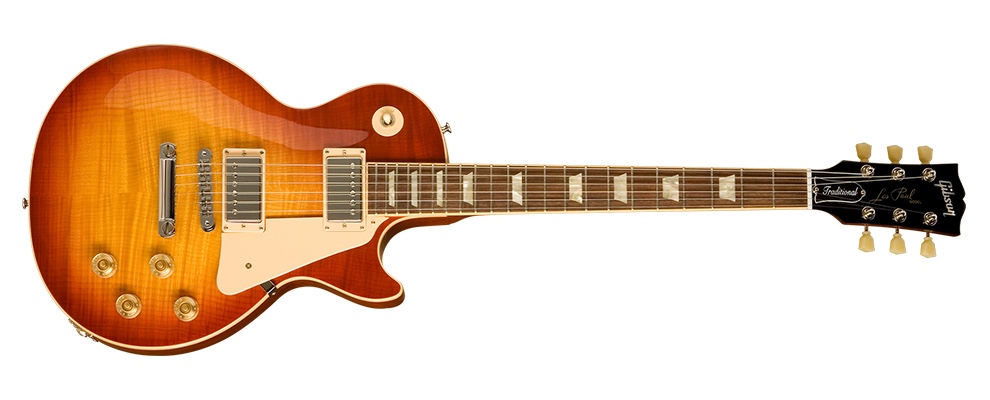
Les Pauls have a gravitas to them – both in weight and tone. When I need that thick, singing sustain for solos or a warm rhythm tone, a Les Paul-style guitar is often my go-to.
Famous Players & Their Les Paul-fueled Sound
- Jimmy Page (Led Zeppelin): The quintessential Les Paul player. His iconic “number one” (a ‘59) is synonymous with Led Zeppelin’s massive rock sound, from bluesy riffs to soaring, feedback-laden solos.
- Slash (Guns N’ Roses): That unmistakable, creamy, singing lead tone is pure Les Paul through a Marshall. He redefined the sound of ’80s hard rock guitar.
- Gary Moore: A master of blues-rock and melodic shred. His emotive, sustain-heavy solos are a prime example of the Les Paul’s ability to cry and scream.
- Joe Perry (Aerosmith): His gritty, often raw rhythm and lead work helped define Aerosmith’s sound, proving the Les Paul’s versatility in classic rock.
- Zakk Wylde (Ozzy Osbourne/Black Label Society): Taking the Les Paul into heavier, more aggressive territory, his pinched harmonics and crushing riffs are pure Les Paul power.
- Peter Green (Fleetwood Mac): Famous for the “out of phase” middle position tone of a Les Paul, delivering a unique, nasal, yet soulful sound. Shows its hidden versatility!
- Alex Lifeson (Rush): Known for his diverse soundscapes, Lifeson wields various Les Pauls, demonstrating their capability for both powerful riffs and articulate, intricate passages.
ES-175 style: The Archtop Icon
We’re stepping into the realm of the classic jazz box, the guitar that practically is the sound of countless jazz records and has even dabbled in rock and blues: the ES-175. This isn’t a guitar designed for shredding or heavy feedback (unless you’re really pushing it!), but rather for warm, articulate, and rich tones that bloom beautifully.
If you’re looking for a guitar with incredible acoustic resonance, a sophisticated voice, and a legendary lineage, the ES-175 is an icon. This design heavily influenced countless other hollow body jazz guitars and even some semi-hollow designs that followed.
ES-175 Style
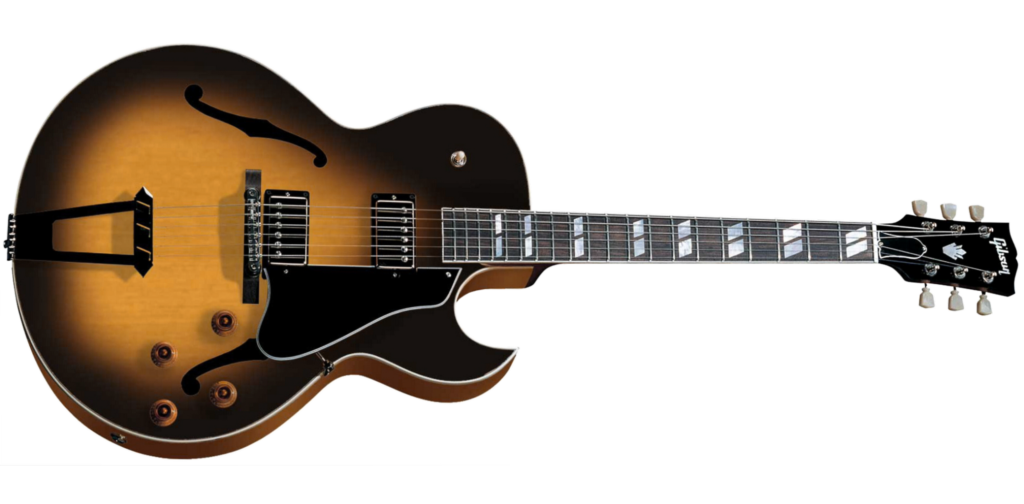
If you’re looking for a guitar that whispers and sings with a sophisticated, woody voice, one that feels alive in your hands and is built for warm, articulate tones, an ES-175 style guitar is a timeless classic that continues to inspire.
Players Who Defined Jazz Box Tone: ES-175 Legends & Their Legacy
- Joe Pass: One of the most iconic ES-175 players in jazz history. His effortless virtuosity and warm, melodic tone are synonymous with the ES-175. He truly showcased the guitar’s lyrical capabilities.
- Herb Ellis: Another jazz giant known for his clear, swinging lines and rich tone, often delivered through his ES-175.
- Pat Metheny: While he’s used various guitars, Metheny’s signature tone for much of his career, especially early on, was heavily shaped by his custom ES-175, demonstrating its versatility even within fusion contexts.
- Wes Montgomery: While most famously associated with the L-5CES, the ES-175 often served as a more accessible alternative, sharing much of the tonal character that Montgomery pioneered. Many jazz guitarists picked up an ES-175 inspired by his sound.
- Steve Howe (Yes): A progressive rock icon, Howe famously used a 1964 ES-175 for his intricate, melodic, and often clean electric guitar parts in Yes, proving its sonic capabilities extended far beyond traditional jazz. He showed it could be agile and articulate in a rock setting.
ES-335 style: The Ultimate Crossover King
Let’s explore a guitar that lives in its own beautiful space, a masterful blend of two worlds: the ES-335. This isn’t just a semi-hollow; it’s the semi-hollow, often called the “King of Versatility.” It’s got the warmth and resonance of a hollow body but with the feedback resistance and sustain of a solid body. If you’re looking for a guitar that can glide effortlessly from bluesy cleans to roaring rock, all with a sophisticated, rich voice, then an ES-335 style guitar might be your perfect match.
ES-335 Style
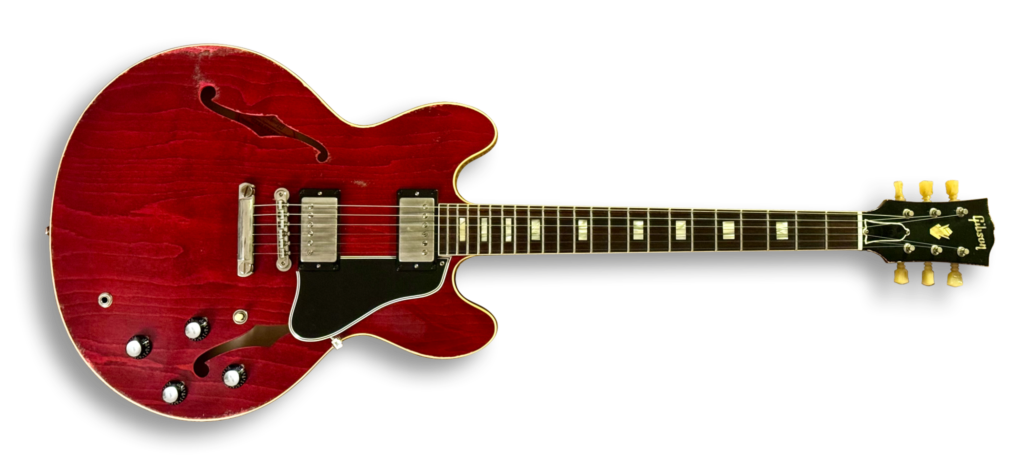
If you play multiple genres and need one guitar that can genuinely do it all with class and character, the 335 is hard to beat. It’s truly a “best of both worlds” instrument.
The Voices of Versatility: Iconic ES-335 Players & Their Impact
- B.B. King: While known for his Lucille (which is a 335-style guitar with no f-holes), his signature sound was deeply tied to the ES-335’s lineage, delivering soulful, sustained blues.
- Larry Carlton: A legendary session and jazz-fusion guitarist, his iconic, smooth, and articulate tone is synonymous with the ES-335, earning him the nickname “Mr. 335.”
- Eric Clapton: Used an ES-335 extensively during his Cream days, contributing to its rock credentials with his powerful blues-rock tones. His “Cream” 335 is legendary.
- Chuck Berry: Though often seen with a 355 (the fancier version of a 335), his pioneering rock and roll riffs and showmanship were tied to the ES-335 platform’s ability to deliver snappy, articulate rhythm and lead.
- Noel Gallagher (Oasis): His signature Britpop sound often featured a variety of ES-335s and similar hollow bodies, contributing to the band’s rich, layered guitar tones.
SG Style – The Devil’s Cutaway
This style of guitar is a whole different animal, born from a need for speed and aggression, and it’s got a personality that’s instantly recognizable. If you’re looking for something that’s lighter than a Les Paul, has incredible upper-fret access, and still delivers a powerful humbucker punch, an SG style guitar might just be your soulmate.
SG Style
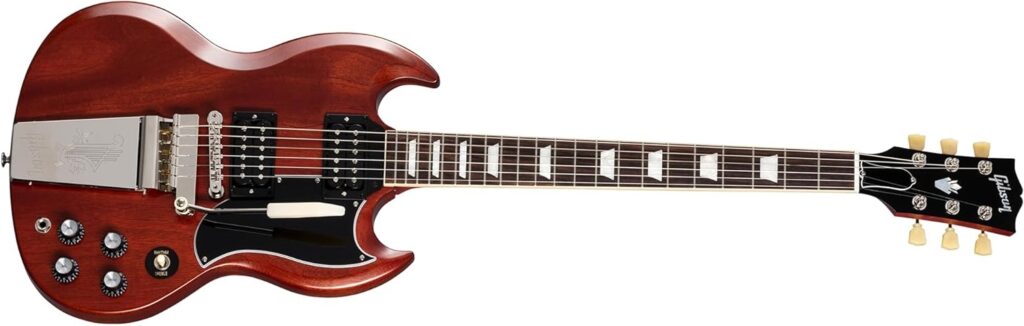
SGs offer much of what people love about Les Pauls but in a lighter, more accessible package. The trade-off is slightly less sustain, but many players (myself included) find the improved playability worth it.
Famous Players Who Unleash the SG
- Angus Young (AC/DC): The undisputed king of the SG. His raw, ferocious tone and iconic stage presence are inseparable from his trusty SGs.
- Tony Iommi (Black Sabbath): The godfather of heavy metal. His massive, often detuned riffs that birthed a genre were almost exclusively played on various SGs.
- Frank Zappa: A master of eclectic music, Zappa used SGs for their unique tone, sustain, and playability, exploring everything from avant-garde to blues-rock.
- Pete Townshend (The Who): Though known for smashing them, Townshend famously used SGs during The Who’s prime, especially for their powerful and articulate rhythm work.
- Derek Trucks: A modern slide guitar virtuoso. While he often uses other Gibsons, he’s also known for his incredibly soulful slide playing on an SG, showcasing its sustain and clarity.
- Robbie Krieger (The Doors): His psychedelic, blues-infused playing defined much of The Doors’ sound, often through an SG.
Modern and Alternative Body Shapes.
Superstrat – The Performance Machine
We’ve talked about the originals – the Strat, the Tele, the Les Paul, the SG. These are the foundations. But what happens when you take the classic, beloved blueprint of a Fender Stratocaster and you put it in a blender with a dose of steroids, a high-octane engine, and a serious attitude problem?
You get the Superstrat.
Born from the demands of shred and hard rock, the Superstrat takes the familiar Strat shape and pushes it to its absolute limits for speed, power, and versatility.
Superstrat
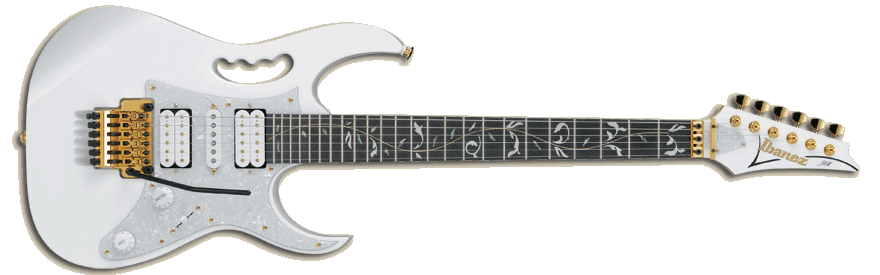
The Need for Speed: Players Who Define the Superstrat
- Eddie Van Halen: The pioneer. While not strictly a Superstrat (he modified his own Strats heavily), his “Frankenstrat” inspired the entire movement, demanding the speed and power the Superstrat delivered.
- Steve Vai: One of the quintessential Superstrat players (Ibanez JEM). His incredibly technical, expressive, and often flamboyant playing defines what a Superstrat can do.
- Joe Satriani: Another Ibanez signature artist (JS series). Known for his smooth, melodic, yet powerful instrumental rock.
- Kirk Hammett (Metallica): While known for playing ESP guitars, his signature models are essentially Superstrats built for aggressive metal.
- John Petrucci (Dream Theater): A modern master of progressive metal (Music Man/Ernie Ball JP series), showcasing the Superstrat’s versatility for complex arrangements and blistering solos.
- Paul Gilbert: Known for his incredible speed and melodic playing (Ibanez PGM series).
Offset Models (Jazzmaster, Jaguar, Mustang) – The Indie Icons
We’ve talked about the big, traditional beasts: the Strat, the Tele, the Les Paul, the SG, and even the shred-ready Superstrat. But now, let’s venture into a corner of the guitar universe that’s often misunderstood, sometimes quirky, and utterly beloved by players who crave unique tones and a distinct aesthetic: the Offset Models.
We’re talking about guitars like the Jazzmaster, the Jaguar, and the Mustang. What does “offset” even mean? It literally refers to the body’s asymmetrical waist, where the upper and lower halves are shifted relative to each other, giving them a distinct, often curvy and elongated silhouette.
These aren’t your typical workhorse guitars; they’re instruments with strong personalities, unique sonic textures, and a history deeply intertwined with surf rock, indie rock, punk, and alternative music. If you’re looking for something that stands out visually and offers a different kind of sonic flavor, the offset might be calling your name.
Offset Models
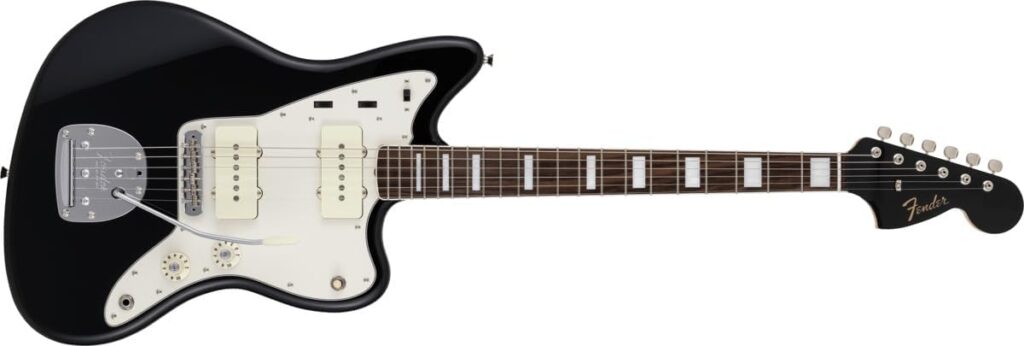
The Architects of the Offset Sound
- Nels Cline (Wilco): Known for using various vintage Jazzmasters (like his 1959 and 1962 models) to create experimental textures, ambient soundscapes, and explosive noise. He often manipulates the strings behind the bridge for unique sounds.
- Thurston Moore & Lee Ranaldo (Sonic Youth): Pivotal in the alternative scene, they famously used heavily modified Jazzmasters (and Jaguars) for their experimental, dissonant, and deconstructed rock sound, often with alternate tunings and prepared guitar techniques. Thurston’s signature Jazzmaster even stripped down some of the traditional controls for a more direct approach.
- J Mascis (Dinosaur Jr.): His signature sound, a blend of melodic lead lines and massive, fuzzed-out guitar walls, is synonymous with the Jazzmaster, often using the rhythm circuit for darker tones and modifying the bridge for stability. His Squier signature model is incredibly popular.
- Elvis Costello: An early adopter of the Jazzmaster in the punk/new wave scene, prominently featuring his iconic Jazzmaster on the cover of his debut album, “My Aim Is True,” demonstrating its versatility beyond surf.
- Kevin Shields (My Bloody Valentine): Utilizes multiple Jazzmasters (and Jaguars) to achieve his signature “glide guitar” sound, relying heavily on the tremolo arm for pitch bending and creating lush, dreamy, yet often distorted soundscapes for shoegaze.
- Robert Smith (The Cure): Known for employing Jazzmasters for his signature melancholic and atmospheric guitar work, blending chorus and delay with the Jazzmaster’s unique single-coil tone.
- Kurt Cobain (Nirvana): Famously used a highly modified 1965 Jaguar as one of his main guitars, often featuring humbuckers (like a DiMarzio Super Distortion) to achieve his thick, grunge-rock tones while retaining the offset aesthetic. His signature model is very popular.
- Johnny Marr (The Smiths): His intricate, jangling, and melodic guitar work often utilized Jaguars, particularly his signature model which simplifies some of the complex switching for more direct control.
Explorer, Flying V, and Other Extreme Shapes
We’ve talked about the classics, the workhorses, the shred machines, and the quirky offsets. Now, let’s step into the wild side, where guitars are less about subtle curves and more about making an undeniable statement: we’re talking about the Explorer, the Flying V, and other extreme shapes.
These aren’t guitars for blending in. These are guitars built for attitude, for commanding the stage, and for delivering powerful, often aggressive tones. Born in a time when rock and roll was getting louder and more rebellious, these shapes were designed to break from tradition and scream “look at me!” If you want a guitar that feels bold, sounds massive, and instantly tells everyone exactly what kind of music you’re about, welcome to the extreme club.
Explorer, Flying V & Extreme Shapes
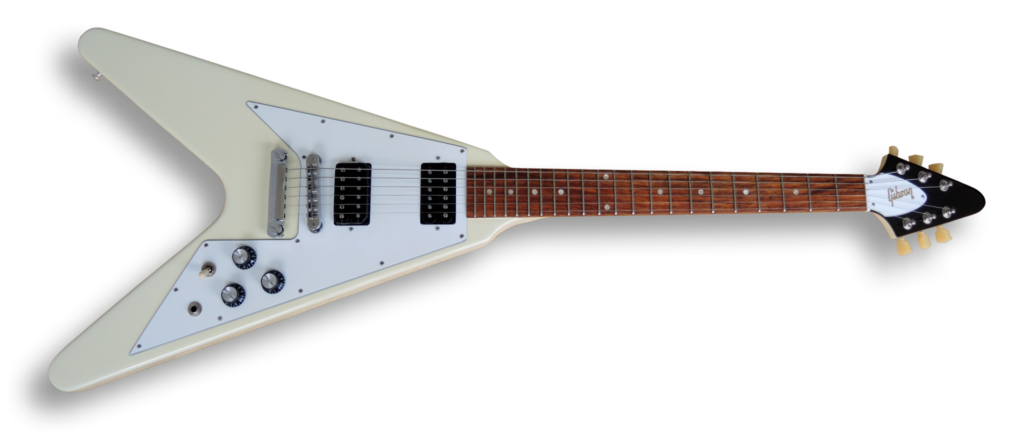
Legends of the Extreme: The Players Who Rocked the Wild Shapes
- James Hetfield (Metallica): One of the most iconic Explorer players. His early thrash metal riffs and rhythm work on various Explorers (like his “EET FUK” ESP model) heavily influenced metal guitarists worldwide. He appreciates their massive sound and unique feel.
- Michael Schenker (UFO, MSG): One of the most influential Flying V players in hard rock and metal. His signature black-and-white V and distinctive melodic yet aggressive playing cemented its place in rock history.
- Kirk Hammett (Metallica): Before his ESP signature models, Hammett was heavily associated with his white Flying V in Metallica’s early days, defining the look and sound of thrash metal.
- K.K. Downing (Judas Priest): A pioneer of heavy metal, Downing frequently used Flying Vs (often custom models with unique angles) to deliver Judas Priest’s dual-guitar attack and iconic riffs.
- Randy Rhoads (Ozzy Osbourne): Although his most famous guitar was the custom Jackson Rhoads V (a variation), his iconic V-shape was directly inspired by the Flying V, showcasing its potential for technical and classical-influenced metal.
- The Edge (U2): Known for his diverse soundscapes, The Edge has frequently used Explorers (especially his vintage ‘76) for their unique resonance and sustained tones, particularly on tracks like “Where the Streets Have No Name.”
- Allen Collins (Lynyrd Skynyrd): A foundational southern rock guitarist, Collins’s powerful and melodic playing on his Gibson Explorer was a signature part of Lynyrd Skynyrd’s sound, showcasing its ability for bluesy, driving rock.
- Dave Grohl (Foo Fighters): While he plays many guitars, Grohl often uses Explorers live and in the studio, appreciating their solid feel and powerful humbucker tone for his band’s energetic rock sound.
- Albert King: The legendary blues master made the Flying V his signature guitar (often his “Lucy” model), proving that its radical shape could deliver incredibly soulful, bent-note blues tones. His influence on rock guitarists is immeasurable.
Modern Guitars – Precision, Performance, & Beyond
We’ve journeyed through the classics, the workhorses, the shred machines, the quirky offsets, and even the aggressive extremes. Now, let’s step into the cutting edge, the guitars that are pushing boundaries in design, ergonomics, and sonic capability: Modern Guitars.
This isn’t just about a specific model; it’s about a philosophy of innovation. These are instruments engineered for precision, comfort, and expanded sonic palettes, often incorporating advanced materials and groundbreaking designs. If you’re looking for a guitar that feels like it’s from the future, is built for ultimate playability, and can handle everything from intricate jazz lines to earth-shattering metal riffs, then the world of modern guitars is calling your name.
Modern Guitars
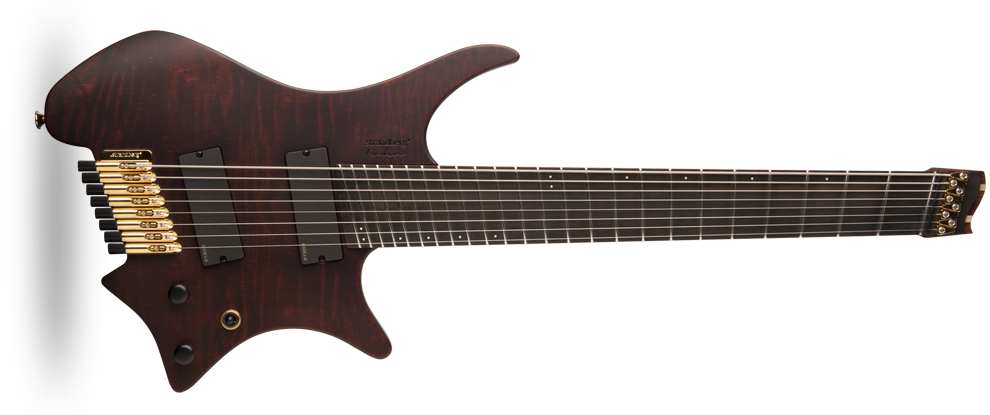
Famous Players Who Define the Modern Age
- Tosin Abasi (Animals As Leaders): A pioneer of 8-string headless guitars (Abasi Concepts, Strandberg), his groundbreaking instrumental progressive metal showcases the full potential of multi-scale, extended-range instruments for complex rhythm and lead work.
- Plini: An Australian instrumental progressive guitarist known for his smooth, articulate tone and intricate compositions, often using headless guitars (Strandberg) to achieve his signature sound.
- Ola Englund (The Haunted, Feared, solo): A prominent figure in modern metal (Solar Guitars), known for his aggressive riffs, high-gain tones, and use of extended-range guitars. He often highlights the practical benefits of modern designs.
- Misha Mansoor (Periphery): A key figure in the Djent movement, instrumental in popularizing 7 and 8-string guitars with precise, articulate tones (Jackson, bareknuckle pickups).
- Tim Henson & Scott LePage (Polyphia): Known for their highly technical, genre-bending instrumental music (Ibanez, Strandberg). Their playing highlights the precision and playability of modern neck designs and versatile pickups.
How to Choose the Right Shape: Practical Considerations.
When choosing a guitar shape, consider these factors:
Comfort
- Do you play seated most of the time? Consider contoured bodies (Strat) or offset waists (Jazzmaster)
- Do you stand while playing? Weight becomes more important, heavier guitars can cause shoulder strain during long sets
- Do you have back problems? Lighter guitars like SGs or chambered-body models might be better options
Upper Fret Access
- Do you play a lot of solos or high-position chords? Double-cutaway designs or more modern shapes offer better access
Visual Appeal
Don’t underestimate the importance of loving how your guitar looks! You’re more likely to pick up and play a guitar that visually excites you.
A Personal Note on Guitar Shapes.
While specs and tonal characteristics are important, I’ve found that the right guitar shape comes down to personal preference and physical comfort. I remember dismissing Telecasters early in my playing because they didn’t look as “cool” as other options – now they’re among my favorite guitars!
My advice: try as many different shapes as possible. You might be surprised which one feels like “home” to you. To explore different types of electric guitars, check out my video.