An electric guitar is only half of the equation – your amplifier plays an equally important role in shaping your tone. Let’s explore different amp types and the essential accessories that will complete your electric guitar setup.
Amplifiers
Types of Amplifiers
Tube (Valve) Amplifiers
How they work: Use vacuum tubes for amplification, a technology dating back to the early days of electric guitar.
Tonal characteristics: Warm, dynamic, responsive to playing technique. They naturally compress and distort in a musical way when pushed.
Advantages:
- Rich, organic tone that many players consider the gold standard
- Responsive to playing dynamics – clean when played softly, gritty when played hard
- Natural compression that makes solos sing
- Great “pedal platforms” (provides a neutral foundation for guitar effects to shine through)
Disadvantages:
- More expensive than solid-state equivalents
- Heavier than comparable solid-state amps
- Require maintenance (tubes need replacing periodically)
- Less consistent (tube tone can vary from one amp to another)
My experience: There’s something special about a good tube amp that’s hard to put into words. The way they respond to your playing touch creates a connection between player and instrument that’s hard to replicate with other technologies. That said, they’re not always practical, especially for beginners or those who need absolute consistency.
Solid-State Amplifiers
How they work: Use transistors and other solid-state components for amplification.
Tonal characteristics: Clean, consistent, reliable. Traditionally less organic-sounding when distorted, though modern designs have improved dramatically.
Advantages:
- More affordable than tube amps
- Lighter weight and more portable
- Very reliable with minimal maintenance
- Consistent sound from one unit to another
Disadvantages:
- Traditionally less dynamic and responsive than tube amps
- Distortion characteristics can sound harsher than tubes
- Don’t compress as naturally as tube amps
My experience: Modern solid-state amps have come a long way. While I still prefer tubes for certain applications, there are excellent solid-state options that sound fantastic and offer practical advantages, especially for beginners and for certain specific tones.
Digital/Modeling Amplifiers
How they work: Use digital processing to simulate the sound of various amps and effects.
Tonal characteristics: Can range from very accurate tube amp simulations to unique digital sounds.
Advantages:
- Incredible versatility – potentially hundreds of sounds in one unit
- Often include built-in effects, eliminating the need for separate pedals
- Many offer direct recording outputs, headphone jacks, and other modern conveniences
- Typically more affordable than buying multiple amps and effects
Disadvantages:
- May lack some of the organic feel and response of a tube amp
- Sound quality can vary significantly between brands and models
- Feature complexity can be overwhelming for some users
My experience: The quality of digital modeling has improved exponentially in recent years. For practice, recording, and even many live situations, a good modeling amp or unit can be an excellent choice. They’re particularly useful for players who need a wide variety of tones without carrying multiple amps.
Hybrid Amplifiers
How they work: Combine tube preamp sections with solid-state power amps (or occasionally vice versa).
Tonal characteristics: Aim to capture some of the warmth and response of tubes with the reliability and consistency of solid-state.
Advantages:
- Often more affordable than full tube amps
- Lighter than comparable all-tube designs
- More reliable and consistent than pure tube amps
- Can still provide some of the tube “feel” and tone
My experience: Hybrid amps can be an excellent middle ground. A well-designed hybrid with a tube preamp section can capture much of what makes tubes special while being more practical for everyday use.
Amplifier Sizes and Power
In guitar amplifiers, watts represent the power the amp delivers to the speakers, dictating the amp’s overall loudness and headroom.
Higher wattage amps can generally produce more volume before the sound starts to distort, offering more headroom for clean playing. However, it’s important to note that wattage is not a direct measure of perceived loudness, and doubling the wattage does not double the volume.
Practice Amps (1-20 watts)
Best for: Home practice, beginners, recording (smaller amps often record well).
Volume capability: Bedroom to small room levels.
My recommendation: Every guitarist should have a good small amp, even professionals. They’re perfect for late-night practice and often have great tone at lower volumes. Look for one with a headphone output for silent practice.
Club Amps (20-50 watts)
Best for: Rehearsals, small to medium venues.
Volume capability: Can handle small to medium gigs, especially if miked through a PA system.
My recommendation: This is the sweet spot for many players – enough power for small gigs but still manageable in terms of size and weight. A 30-watt tube amp can be surprisingly loud!
Performance Amps (50+ watts)
Best for: Larger venues, situations where you need significant clean headroom.
Volume capability: Can be extremely loud, capable of filling large spaces without PA support.
My recommendation: Most players don’t need this much power unless they play large venues without PA support or need exceptional clean headroom. Remember that a 100-watt tube amp isn’t twice as loud as a 50-watt amp – it’s only slightly louder.
Amplifier Form Factors
Combos
What they are: Self-contained units with the amp and speaker(s) in one cabinet.
Advantages: Convenient, portable, all-in-one solution.
Best for: Most players, especially those who need to transport their own gear.
Heads and Cabinets
What they are: Separate units: the amplifier (head) and speakers (cabinet).
Advantages: More flexible – you can pair different heads with different cabinets for various tones. Often the only practical option for very high-powered setups.
Best for: Players who need maximum flexibility or very high volume.
Amplifier Recommendations
For Beginners (Under $300)
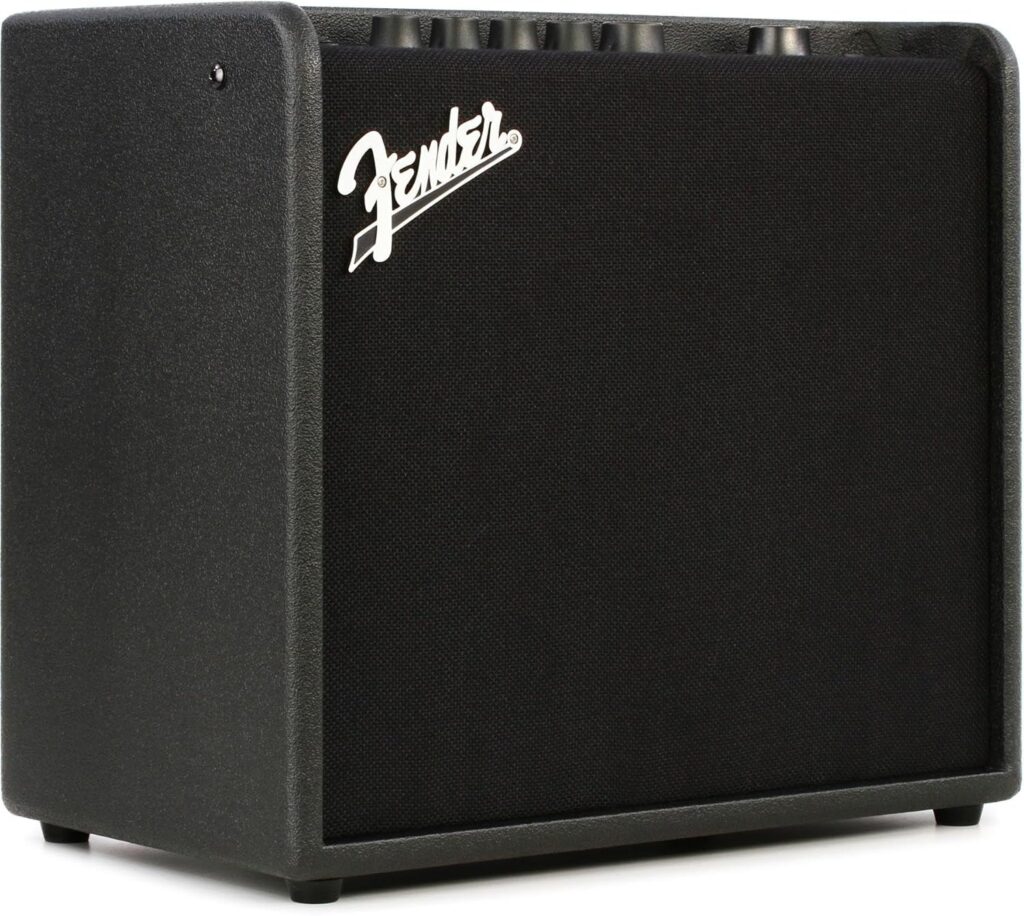
Fender Mustang LT25:
- Why: This is a fantastic practice amp that punches above its weight. It’s a digital modeling amp, meaning it simulates the sounds of many different famous amplifiers and effects. This allows you to explore a huge range of tones without needing to buy separate pedals. It’s user-friendly, compact, and sounds surprisingly good for its size.
- Features to look for: 25 watts of power, 8-inch speaker, 50 presets (30 pre-loaded, 20 accessible), 20 amp types, 25 effects, built-in tuner, headphone output for silent practice, and USB connectivity for recording directly to a computer and firmware updates. It has a simple user interface with a color display.
- Price: Typically around $200-$250.
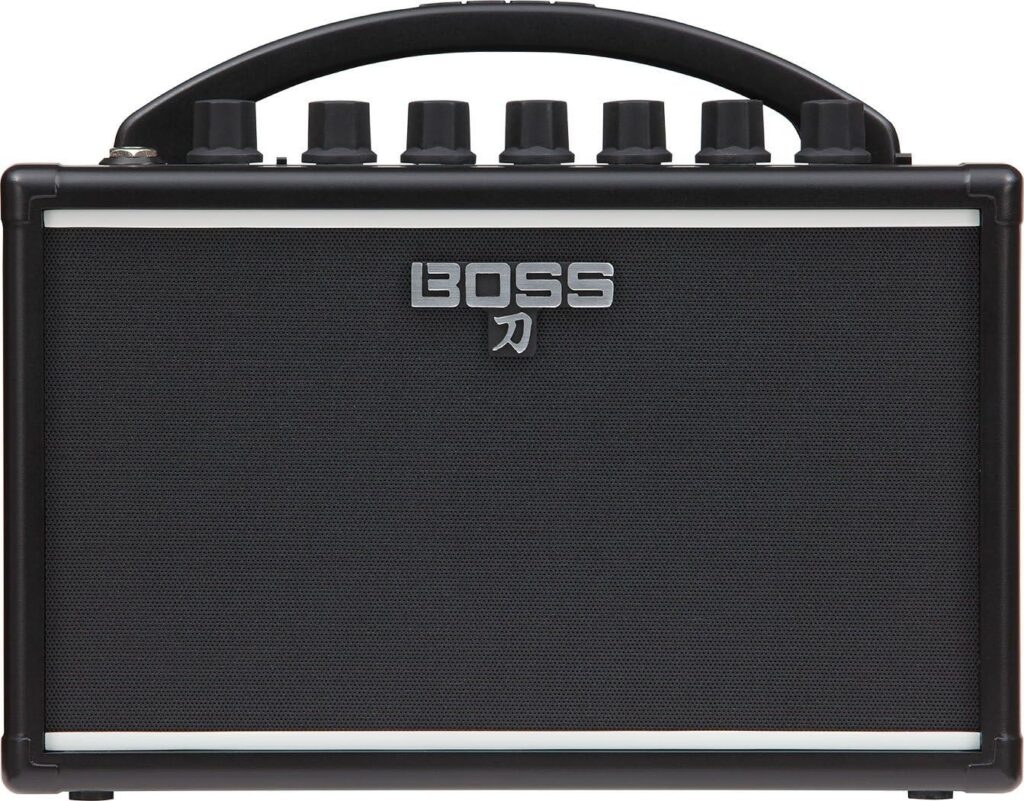
Boss Katana-Mini / Katana-Mini X (if available):
- Why: If portability and battery power are a priority, the Katana-Mini is a standout. It delivers surprisingly full and articulate tones for its tiny size, building on the reputation of its larger Katana siblings. It’s great for practice in any room, on the go, or even for warming up backstage. The new “X” version adds a few more features.
- Features to look for: 7 watts of power, 1×4″ speaker, 3 amp voicings (Brown, Crunch, Clean), 3-band EQ, built-in delay effect, and a line/headphone output with cabinet simulation. Runs on 6 AA batteries or an optional power adapter.
- Price: Around $130-$150. (Note: The larger Katana 50 MkII often pushes just over $300, but is worth considering if you find a deal or can stretch the budget slightly for a bigger, more powerful amp.)
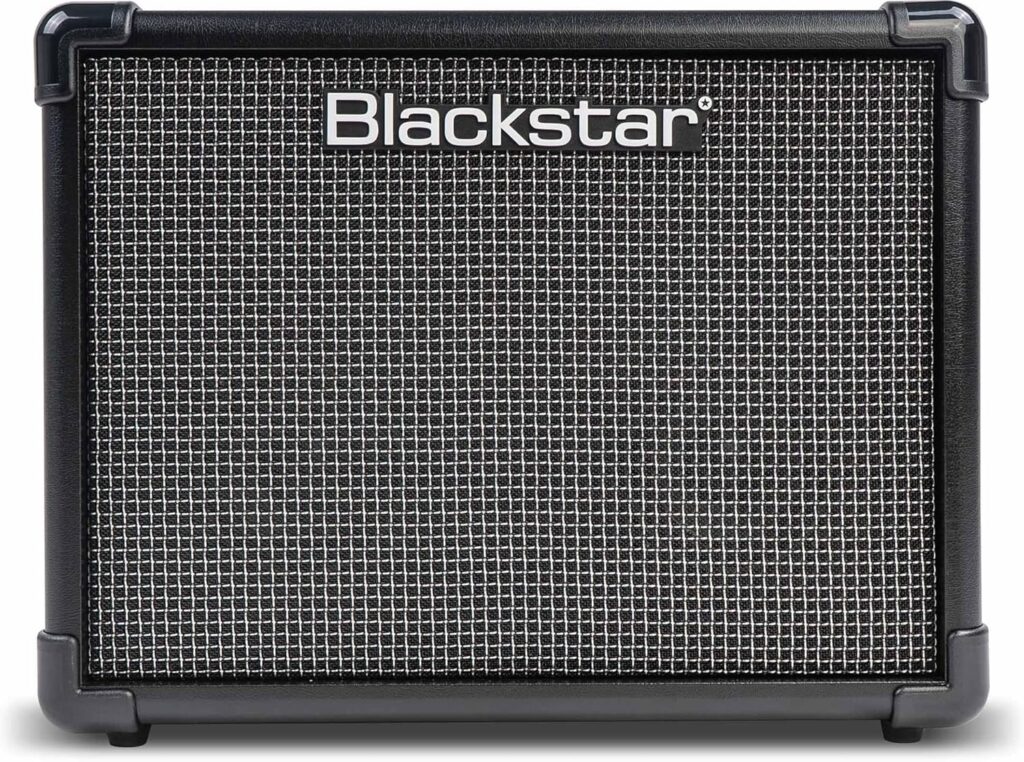
Blackstar ID:Core V4 Stereo 10:
- Why: This amp is known for its “Super Wide Stereo” sound, which provides an immersive playing experience, especially with its built-in effects. It offers a good range of amp voices and effects for exploring different genres, all in a compact package.
- Features to look for: 10 watts (2x5W stereo), 6 amp voices (Clean Warm, Clean Bright, Crunch, Super Crunch, OD1, OD2), patented ISF (Infinite Shape Feature) to blend American and British amp sounds, 12 built-in effects (4x Delay, 4x Modulation, 4x Reverb), built-in tuner, power reduction down to 1 watt, USB-C connectivity for recording, and Bluetooth for playing along with music.
- Price: Around $180-$230.
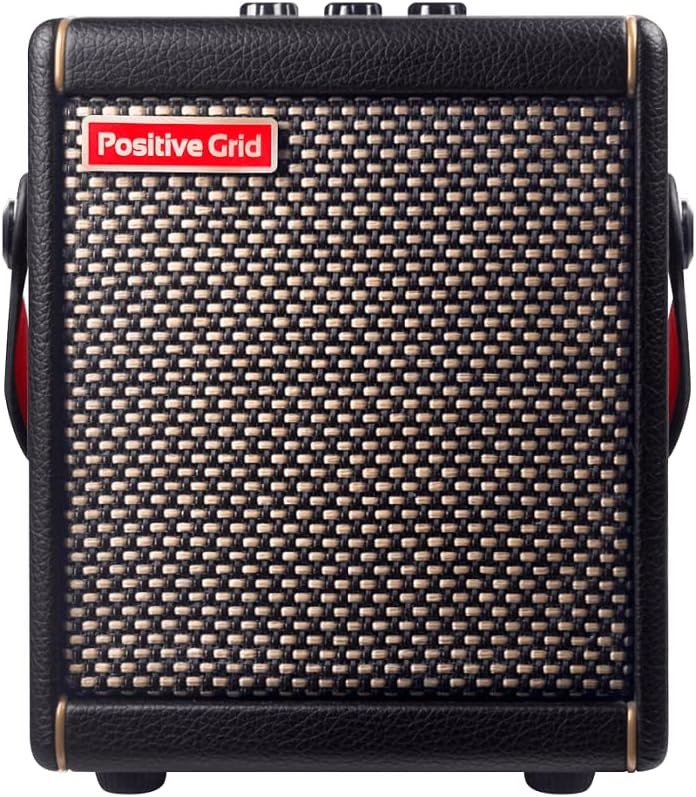
Positive Grid Spark GO / Spark MINI:
- Why: These are smart practice amps that integrate deeply with a mobile app. They offer a vast library of amp models and effects, “Smart Jam” technology that generates backing tracks to your playing, and can serve as Bluetooth speakers. The GO is extremely portable, while the MINI offers a bit more sonic presence.
- Features to look for: Access to 50,000+ tones via the Spark app, Smart Jam AI-generated backing tracks, Bluetooth audio streaming, USB audio interface for recording, and headphone output. The GO (5W) is incredibly small and battery-powered; the MINI (10W) is slightly larger with more bass response and dual speakers, also battery-powered.
- Price: Spark GO around $150; Spark MINI around $200-$250.
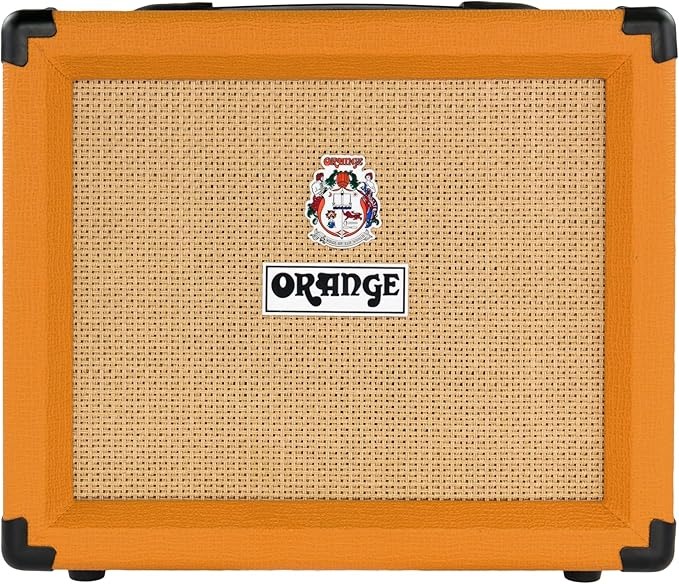
Orange Crush 20RT:
- Why: If you prefer a more straightforward, analog solid-state amplifier with classic British tone, the Orange Crush series is excellent. The 20RT adds a built-in tuner and reverb, making it a very functional practice amp. It has a fantastic dirty channel that delivers authentic Orange crunch.
- Features to look for: 20 watts of power, 8-inch speaker, two channels (Clean and Dirty), 3-band EQ, analog signal path for lively feel, digital reverb, integrated chromatic tuner, Aux In for backing tracks, and a CabSim-loaded headphone output for silent practice or direct recording.
- Price: Around $200-$230.
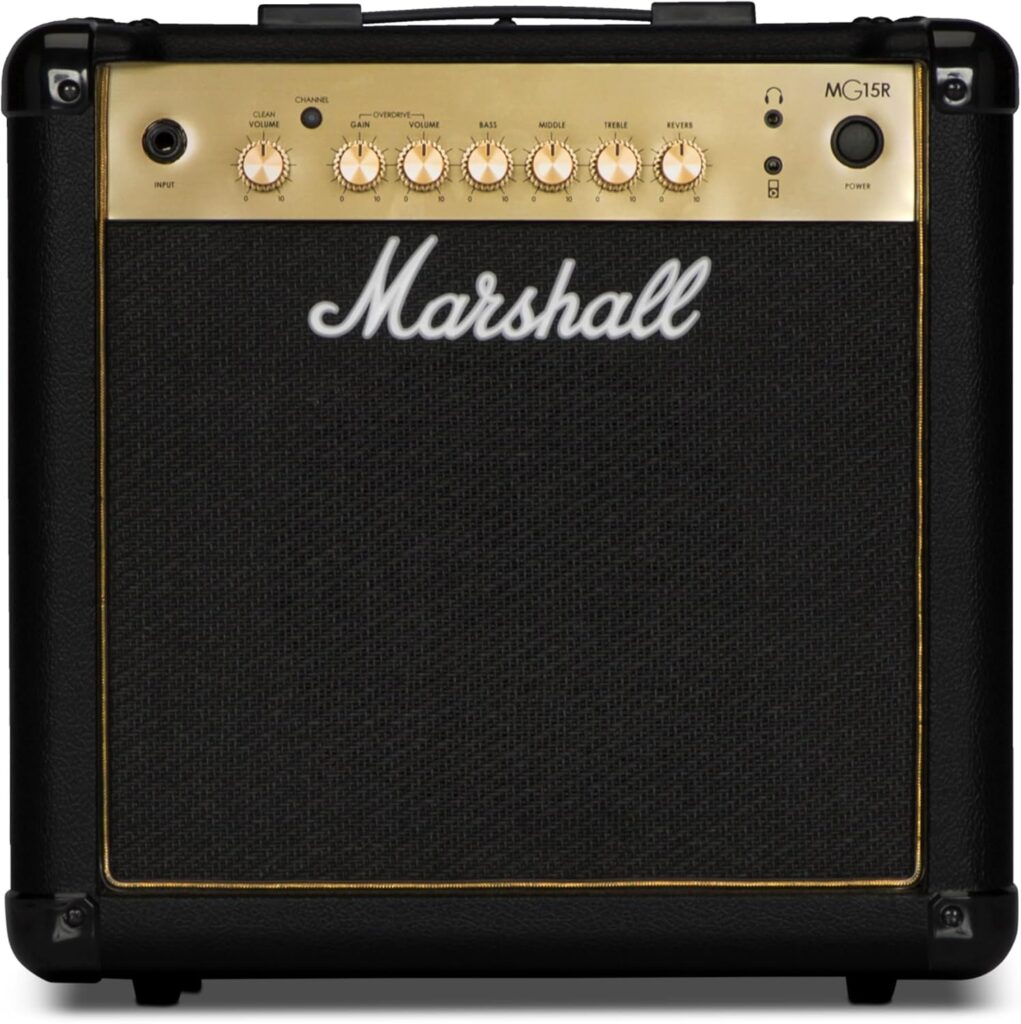
Marshall MG15GR / MG30FX:
- Why: These solid-state Marshall amps offer classic Marshall tones in a compact, affordable package. They are great for rock, blues, and hard rock, with a distinct British crunch. The MG30FX adds more features like effects and a larger speaker.
- Features to look for: 15W or 30W, Clean and Overdrive channels, 3-band EQ. The FX model includes digital effects like reverb, chorus, phaser, and delay. Headphone output and Aux input are standard.
- Price: MG15GR around $150-$180; MG30FX around $250-$300.
Mid-Range Options ($300-$800)
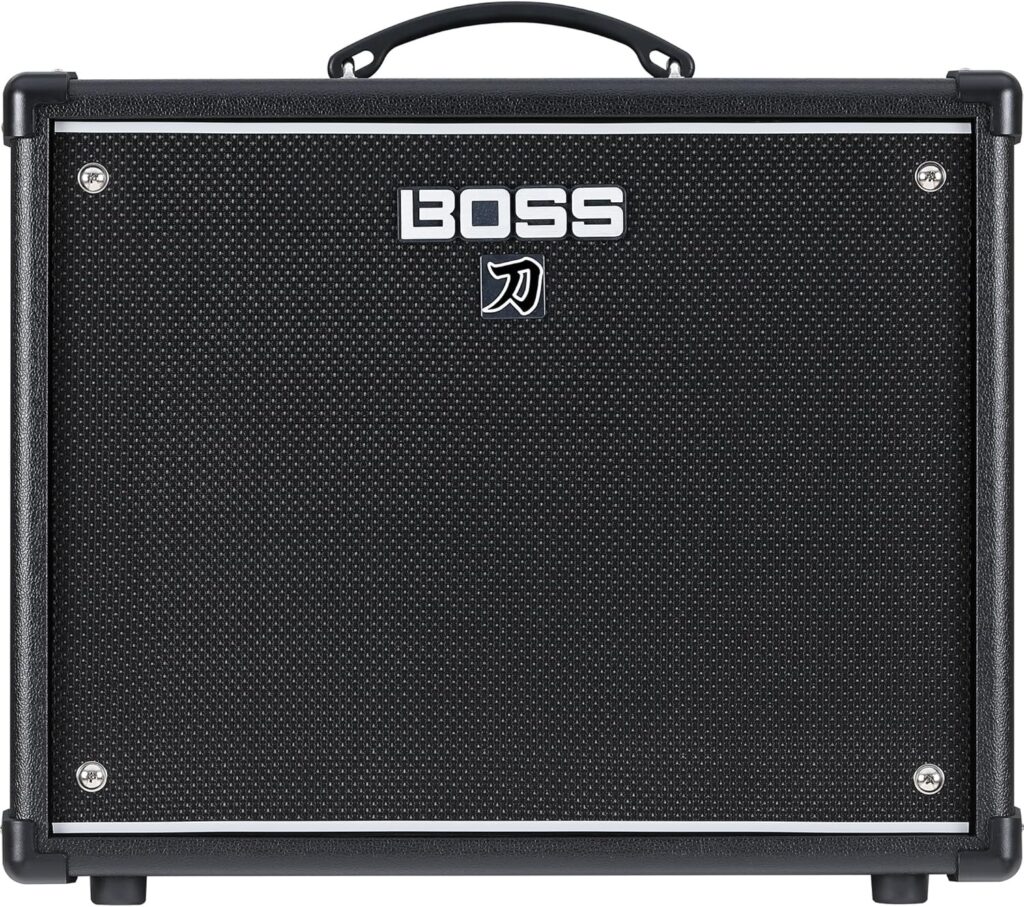
Boss Katana-50 MkII / Katana-100 MkII (Gen 3 Series if available):
- Why: The Katana series is incredibly popular for a reason – they offer unmatched versatility, excellent sound quality, and gig-ready power at a fantastic price point. They are digital modeling amps that meticulously recreate the feel and response of tube amps using Boss’s Tube Logic technology. The Gen 3 series further refines the tones.
- Features to look for: 50W or 100W of power, 1×12″ custom speaker, 5 unique amp characters (Clean, Crunch, Lead, Brown, Acoustic) with new variations in Gen 3, five simultaneous effects sections (Booster, Mod, FX, Delay, Reverb) with deep editing via BOSS Tone Studio software, Power Control for low-volume playing, speaker-emulated outputs (line, USB, headphones), and footswitch control options. The 100W version adds an effects loop and stereo expand feature.
- Price: Katana-50 MkII around $350-$400; Katana-100 MkII around $450-$500.
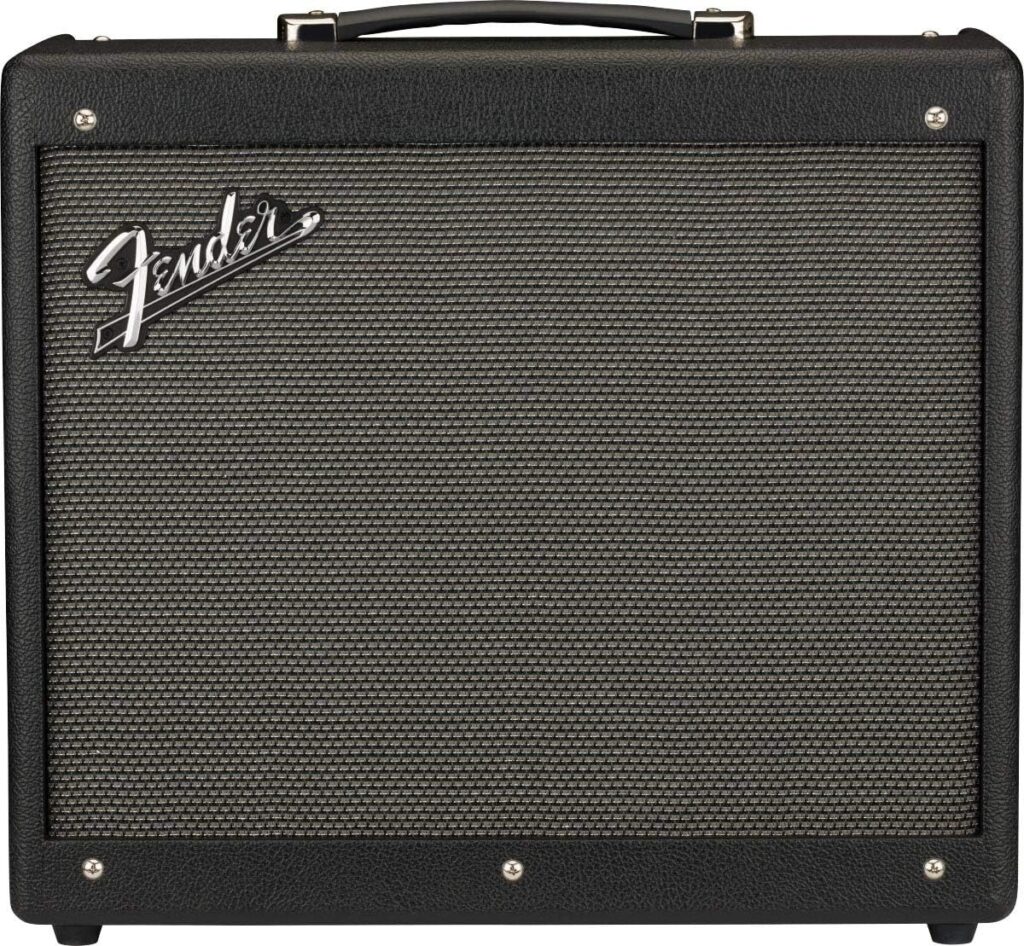
Fender Mustang GTX50 / GTX100:
- Why: Fender’s answer to the Katana, the Mustang GTX series offers a vast array of amp models (including classic Fenders and other famous amps) and effects, all controllable via a large color display and Fender’s Tone app (via Wi-Fi/Bluetooth). They are highly versatile and great for players who want to explore many different sounds.
- Features to look for: 50W or 100W of power, 1×12″ Celestion speaker (on GTX100), dozens of amp models and effects, 200 onboard presets, stereo effects loop, built-in looper, XLR line outputs for live use, USB recording, and Bluetooth audio streaming.
- Price: GTX50 around $400-$450; GTX100 around $500-$550.
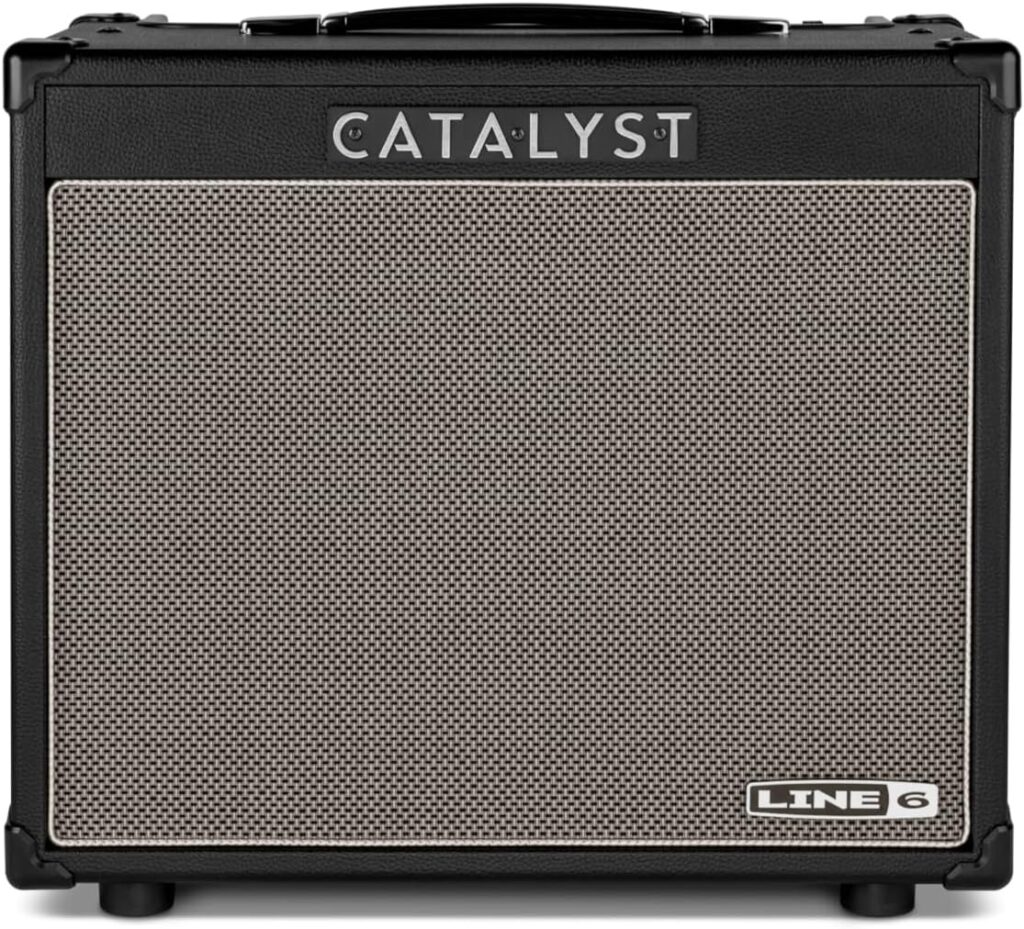
Line 6 Catalyst 60 / Catalyst 100:
- Why: Derived from Line 6’s flagship Helix processing, the Catalyst series offers high-quality amp modeling and effects in a traditional-looking combo amp. They focus on providing a strong foundation of core tones with user-friendly controls, making them a great option for gigging or home use.
- Features to look for: 60W or 100W of power, 1×12″ custom-voiced speaker, 6 original amp designs (from clean to high-gain), a dedicated boost circuit for each amp type, 24 HX-quality effects, XLR line output, effects loop, power amp input (to use as a powered speaker), and a 2-channel USB audio interface. The free Catalyst Edit app provides deep editing.
- Price: Catalyst 60 around $300-$350; Catalyst 100 around $350-$400.
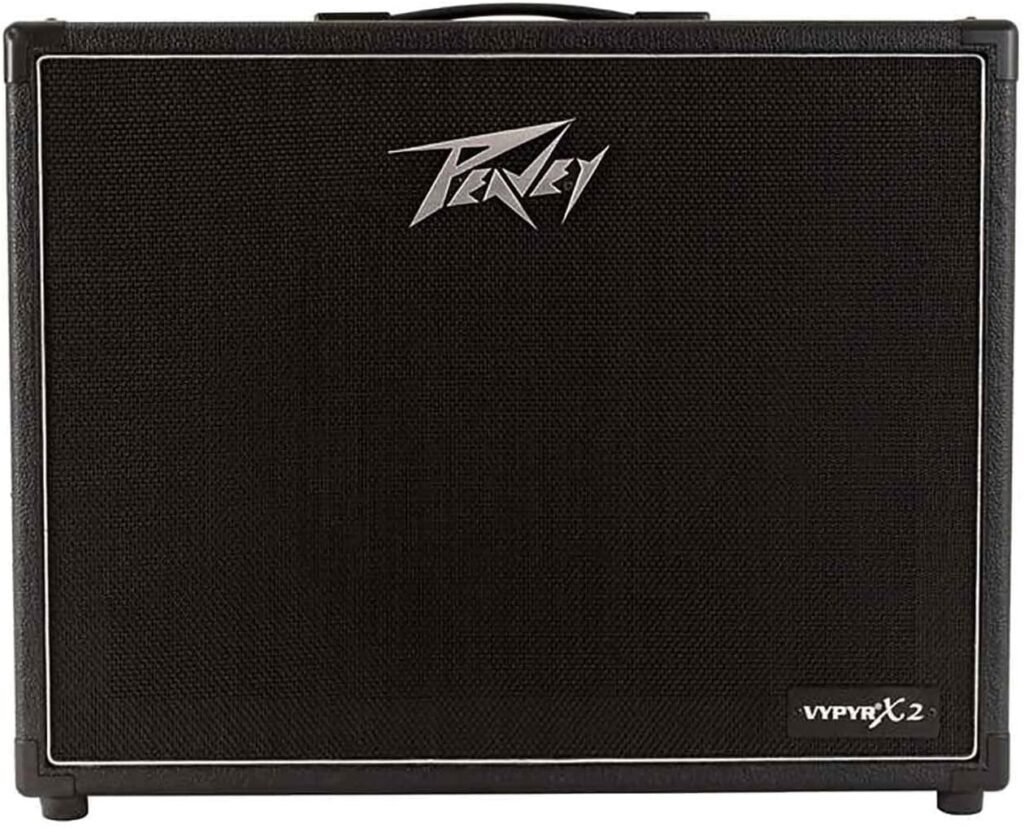
Peavey VYPYR X2 / VYPYR X3:
- Why: Peavey’s VYPYR amps are unique in their ability to model not just electric guitars, but also acoustic guitars and bass guitars, making them incredibly versatile for multi-instrumentalists. They feature Peavey’s TransTube technology for analog tube emulation and comprehensive digital effects.
- Features to look for: 40W (X2) or 100W (X3), 1×12″ speaker, 36 amp models (including acoustic and bass), 26 effects, 10 instrument models, Bluetooth connectivity for streaming and app control, USB recording, and an optional footswitch for looper control.
- Price: VYPYR X2 around $350-$400; VYPYR X3 around $450-$500.
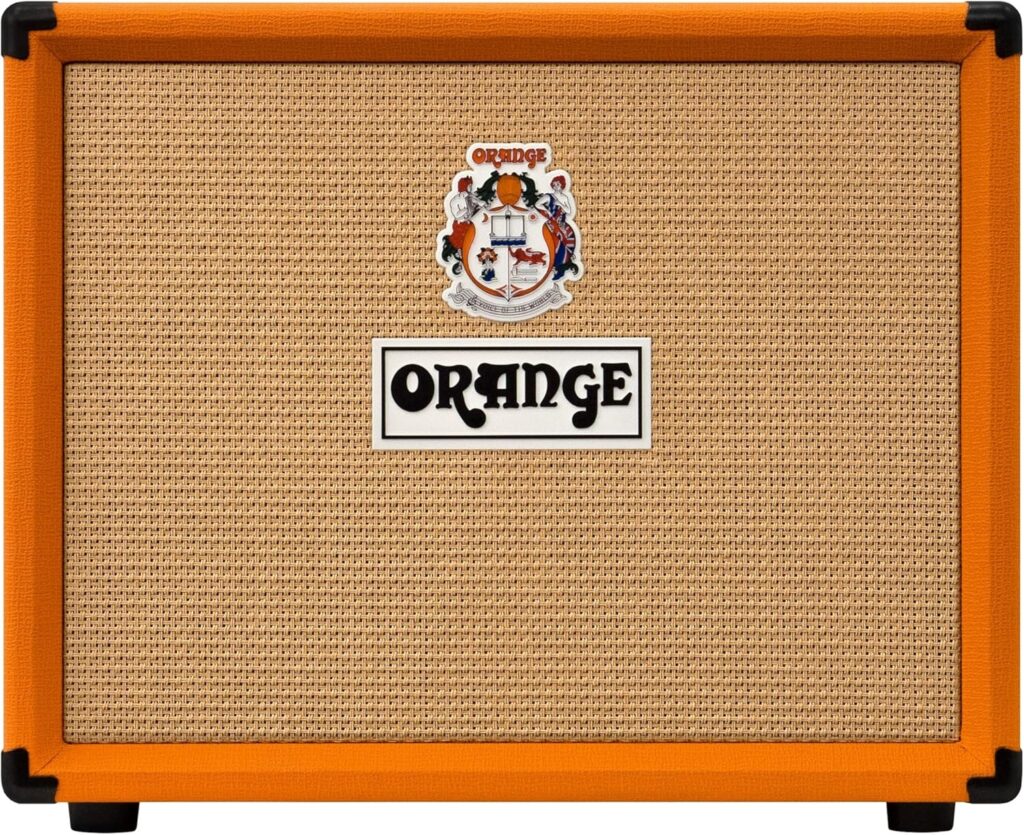
Orange Crush Pro Series (Crush Pro 60, Crush Pro 120):
- Why: For players who prefer a more analog, responsive solid-state tone over extensive digital modeling, the Orange Crush Pro series delivers. These amps are designed with an all-analog signal path (excluding the digital reverb) for a very lively, tube-like feel and a distinct British crunch.
- Features to look for: 60W or 120W of power, 1×12″ or 2×12″ speakers, twin-channel (Clean and Dirty) high-gain preamp design, footswitchable digital reverb (spring, plate, hall), fully buffered effects loop, and Orange’s custom “Voice of the World” speakers. The Crush Pro 120 (sometimes pushing just over $800) is suitable for larger gigs.
- Price: Crush Pro 60 around $400-$450; Crush Pro 120 around $600-$700.
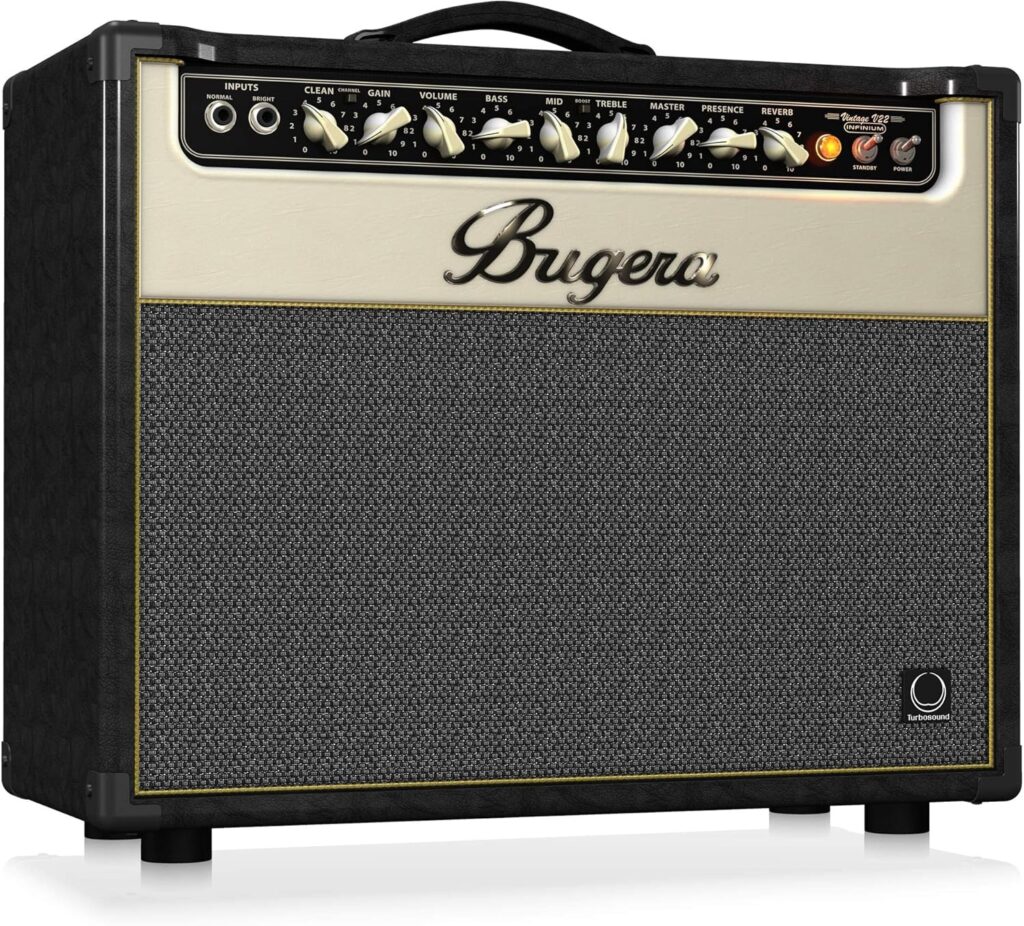
Bugera V22 Infinium:
- Why: Bugera is known for offering genuine tube amps at incredibly competitive prices. The V22 Infinium is a fantastic option for blues, rock, and classic tones, providing the warm, dynamic response that only tubes can deliver.
- Features to look for: 22 watts of power, 1×12″ Turbosound speaker, 2x EL84 power tubes and 3x 12AX7 preamp tubes, two channels (Clean and Lead), real reverb, effects loop, and the “Infinium” tube life multiplier technology. It’s versatile enough for home, studio, and smaller gigs.
- Price: Typically around $450-$550.
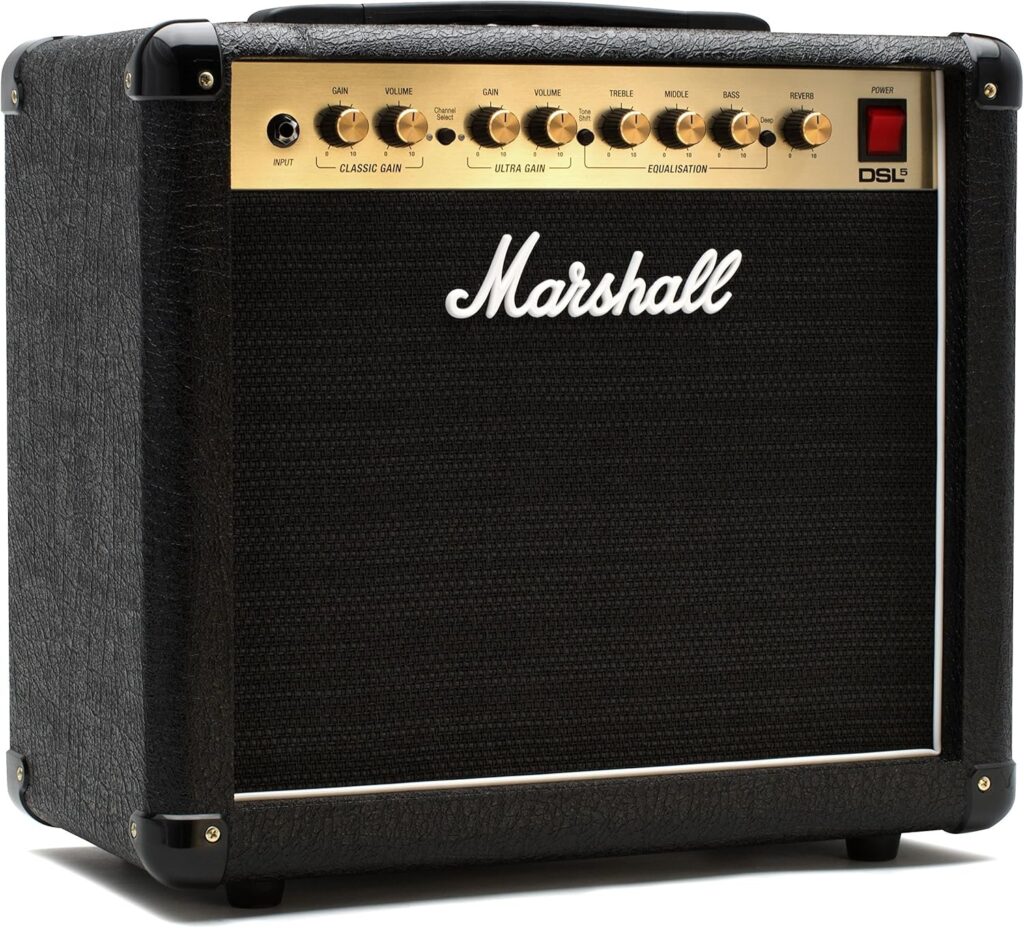
Marshall DSL5C / DSL20C:
- Why: Marshall’s DSL (Dual Super Lead) series offers classic Marshall tube tone in more manageable wattages. The DSL5C is great for home and recording, while the DSL20C can handle small gigs. They provide authentic crunch and high-gain sounds.
- Features to look for: 5W (switchable to 0.5W) or 20W (switchable to 10W), 1×10″ or 1×12″ Celestion speaker, two channels (Classic Gain and Ultra Gain), 3-band EQ, tone shift button, deep button, digital reverb, and an effects loop. The DSL20C offers more headroom.
- Price: DSL5C around $500-$550; DSL20C around $650-$750.
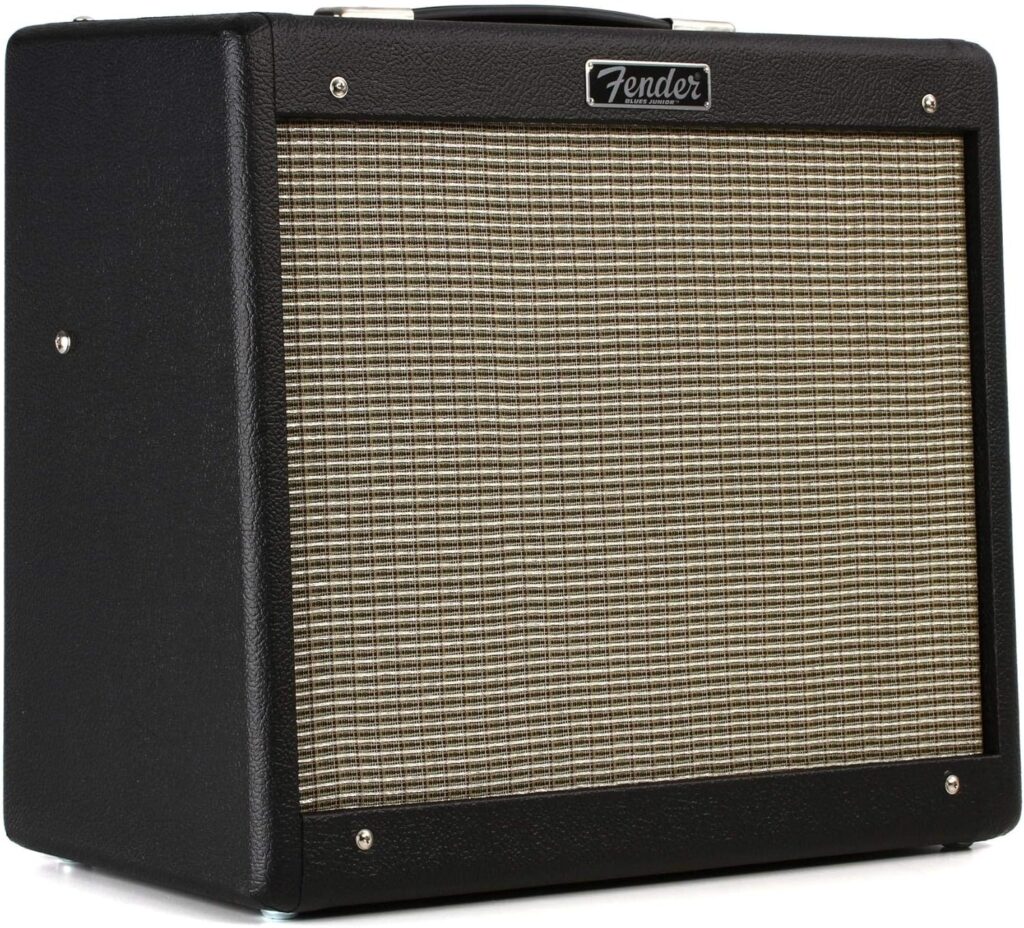
Fender Blues Junior IV:
- Why: A modern classic, the Blues Junior IV is a 15-watt all-tube combo revered for its sparkling Fender cleans, lush reverb, and ability to break up into creamy overdrive. It’s a favorite among blues, country, and classic rock players for its pure, no-nonsense tone.
- Features to look for: 15 watts of power, 1×12″ Celestion A-Type speaker, 3x 12AX7 preamp tubes and 2x EL84 power tubes, real spring reverb, “Fat” switch for a mid-boosted tone, master volume. Perfect for home, studio, and small gigs.
- Price: Typically around $700-$800.
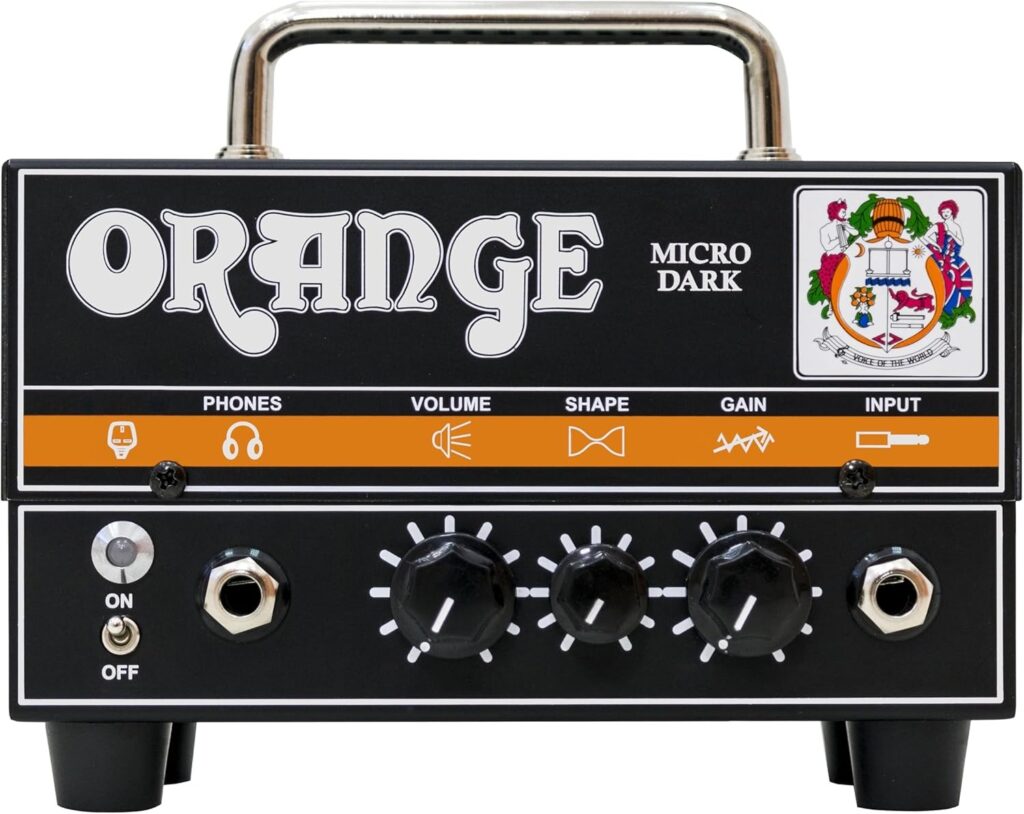
Orange Tiny Terror / Micro Dark (Head + Cabinet combination):
- Why: While the Tiny Terror is a head (requiring a separate cabinet), it’s a legendary 15-watt all-tube amplifier known for its incredibly raw, organic, and touch-sensitive tone. It’s portable and perfect for rock and blues. You might find a used head and a basic 1×10″ or 1×12″ cabinet within this budget. The Micro Dark is a hybrid (tube preamp, solid-state power amp) head that can be found in this range with a cabinet, offering heavy gain.
- Features to look for (Tiny Terror): 15W/7W switchable tube head, 2x EL84, 2x 12AX7, simple controls (Gain, Tone, Volume).
- Price: Tiny Terror head (new) around $600-$700 (cabinet separate); Micro Dark (new) around $200 (head only). Consider used for deals on the Tiny Terror.
High-End Options ($800+)
When you step into the $800+ range for guitar amplifiers, you’re entering the territory of professional-grade, high-performance equipment. This is where boutique builders, flagship models from legendary brands, and cutting-edge digital processors reside. You’ll find unparalleled tone, exceptional build quality, meticulous component selection, and features designed for serious recording, touring, and discerning players. This is where personal tonal preferences become paramount, and you often pay for the “magic” in the sound.
Iconic Tube Amps (The Sound of Legends)
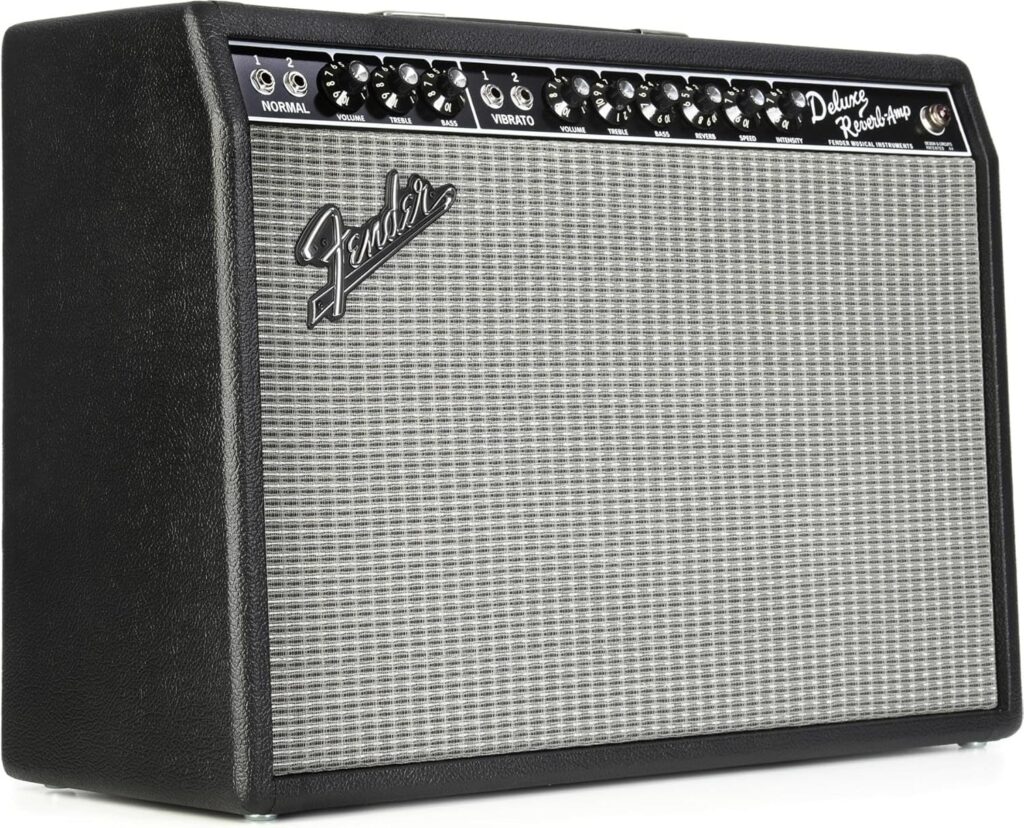
Fender ’65 Deluxe Reverb / ’65 Twin Reverb / Hot Rod Deluxe/Deville:
- Why: These are arguably the most ubiquitous and beloved clean tube amps in history. The Deluxe Reverb (22W) is a studio and club staple, offering lush cleans, vibrant tremolo, and rich spring reverb. The Twin Reverb (85W) is the king of clean headroom, perfect for large stages or pedal platforms. The Hot Rod Deluxe/Deville (40-60W) offer a more aggressive gain channel in addition to classic Fender cleans, making them incredibly versatile gigging amps.
- Features to look for: All-tube circuitry (6V6 or 6L6 power tubes), genuine spring reverb, tube-driven tremolo/vibrato, classic Fender tone stack, and robust construction. The Deluxe Reverb is known for its sweet spot at lower volumes, while the Twin excels at pristine cleans even at loud volumes.
- Price: Deluxe Reverb typically around $1300-$1700. Hot Rod Deluxe/Deville III/IV around $800-$1200. Twin Reverb around $1700+.
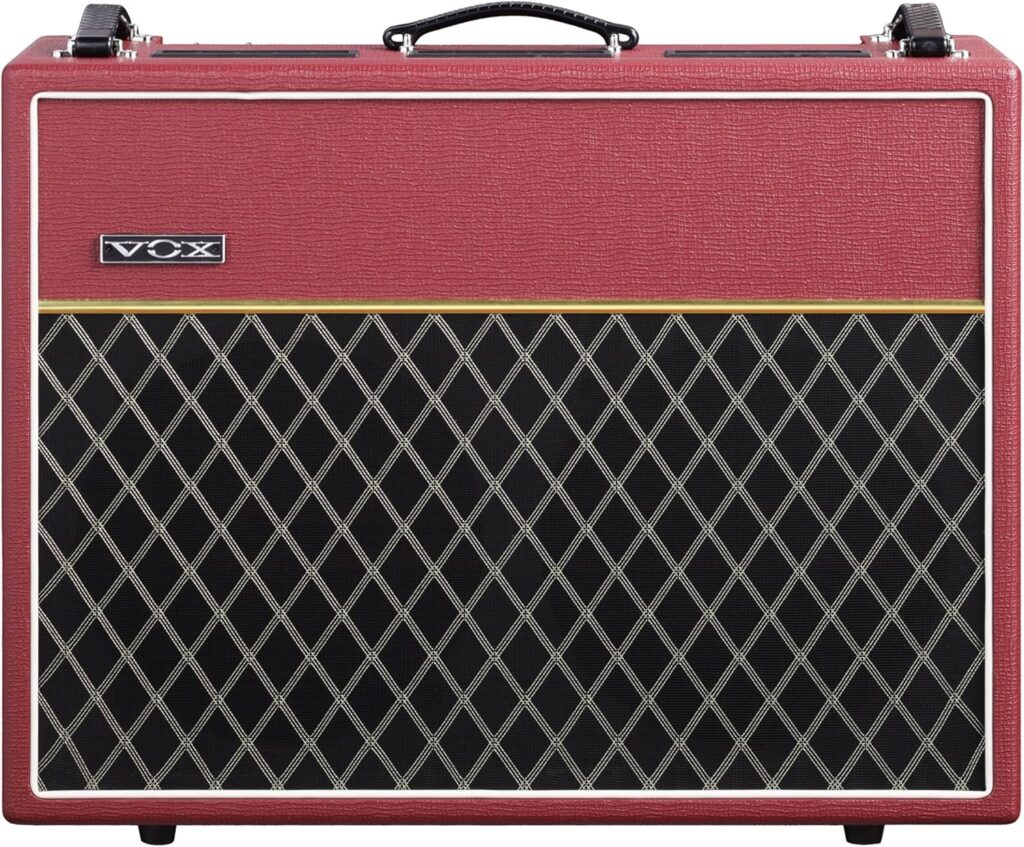
Vox AC15C1 / AC30C2:
- Why: For that unmistakable British chime and classic rock crunch, Vox AC series amps are legendary. The AC15C1 (15W) is a fantastic, manageable tube amp for home, studio, and smaller gigs, while the AC30C2 (30W) is the definitive British rock amp, capable of legendary volume and harmonically rich overdrive.
- Features to look for: All-tube design (EL84 power tubes), top boost channel for classic chime and grit, normal channel for warmer tones, true spring reverb and tremolo (on C1/C2 models), and often Celestion Greenback or Alnico Blue speakers (the latter being more expensive but iconic).
- Price: AC15C1 around $800-$900. AC30C2 around $1200-$1500.
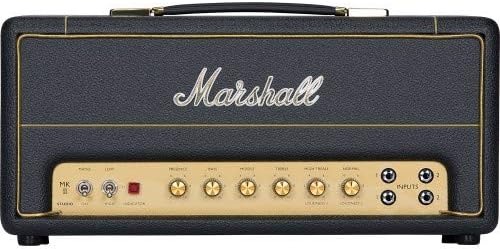
Marshall DSL100HR / Origin 50H / Studio Series (SC20C, SV20H):
- Why: For definitive British rock and high-gain tones, Marshall is the benchmark. The DSL100HR (100W head) offers incredible versatility tones with multiple channels for classic crunch to modern high-gain, perfect for large stages. The Origin 50H (50W head) is a more vintage-voiced, single-channel workhorse for classic rock and blues, and is a fantastic pedal platform. Marshall’s Studio Series (e.g., SC20C, SV20H) offers classic Plexi/JCM800 tones in lower, more manageable wattages, perfect for home and studio.
- Features to look for: All-tube design (EL34 or EL84 power tubes), multiple channels (DSL), power reduction switches (DSL, Origin, Studio), effects loops, and authentic Marshall voicing. The Studio Series excels at faithful recreations of classic Marshall tones at bedroom volumes.
- Price: DSL100HR head around $800-$900 (cabinet separate). Origin 50H head around $700-$800. Studio Series combos/heads often $1000-$1500+.
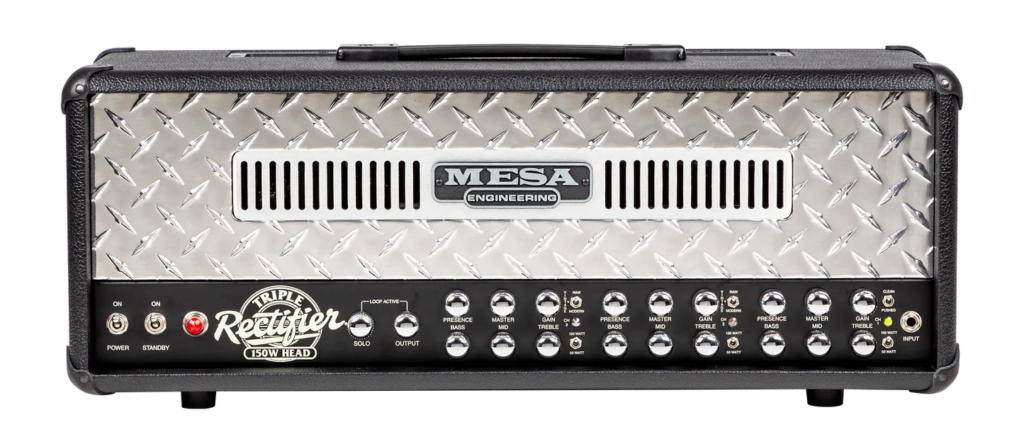
Mesa/Boogie Rectifier Series (Dual/Triple Rectifier, Mini Rectifier) / Mark Series (Mark V:25, Mark V:35) / Fillmore Series:
- Why: Mesa/Boogie amps are renowned for their robust build quality, incredible versatility, and signature high-gain tones, while still offering pristine cleans. The Rectifier series is the voice of modern metal and heavy rock. The Mark series amps are legendary for their complex, articulate, and often very versatile multi-channel designs, capable of everything from sparkling cleans to searing lead tones. The Fillmore series offers more vintage-inspired Fender-esque clean and crunch tones.
- Features to look for: Multi-channel designs with extensive voicing options, multiple power modes (e.g., 10W/25W/35W/50W/100W), assignable graphic EQs, tube rectifiers (on some models), effects loops, and incredibly durable construction.
- Price: Mini Rectifier head around $1000-$1200 (cabinet separate). Mark V:25/35 combo/head around $1600-$2300. Dual/Triple Rectifier heads often $2000-$3000+. Fillmore series around $1800-$2200.
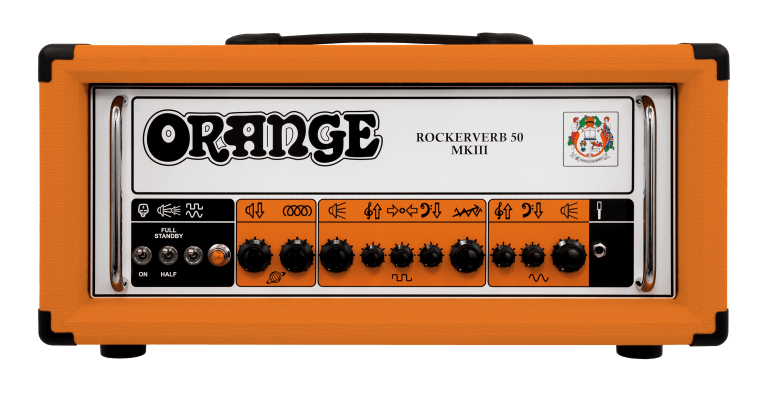
Orange Rockerverb Series / AD Series:
- Why: Orange amps are known for their distinctive British crunch, powerful clean tones, and unique aesthetics. The Rockerverb series offers versatile two-channel tube amps with incredible gain and lush tube-driven reverb, suitable for rock, metal, and heavy blues. The AD series (e.g., AD30) provides more vintage, “chimey” tones.
- Features to look for: All-tube design (EL34 or 6V6 power tubes), high-gain dirty channel with immense sustain, articulate clean channel, tube-driven spring reverb (Rockerverb), and robust construction.
- Price: Rockerverb 50 MkIII (combo/head) typically $2000-$2500+. AD30 (combo/head) often $1800-$2200+.
High-End Digital & Profiling Amps (Ultimate Versatility & Control)
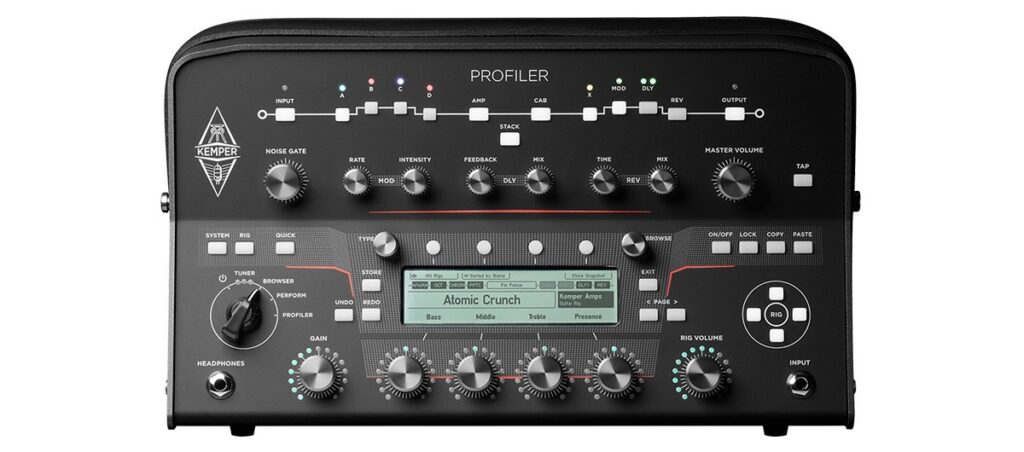
Kemper Profiler (Head, Rack, Stage):
- Why: The Kemper Profiler is a revolutionary digital amplifier that “profiles” or captures the exact sonic characteristics of any physical amplifier. This means you can have a virtually unlimited collection of world-class amps at your fingertips, along with a wide range of effects. It’s an industry standard for professional touring and studio work.
- Features to look for: Ability to profile real-world amps, massive library of pre-loaded profiles and downloadable “rigs,” high-quality effects, comprehensive I/O for live and studio use (XLR outs, SPDIF, MIDI), and a powerful onboard DSP. The Profiler Stage combines the head unit with a powerful footswitch for an all-in-one floor unit.
- Price: Profiler Head/Rack around $1300-$1700 (power amp versions are more). Profiler Stage around $1800-$2000.
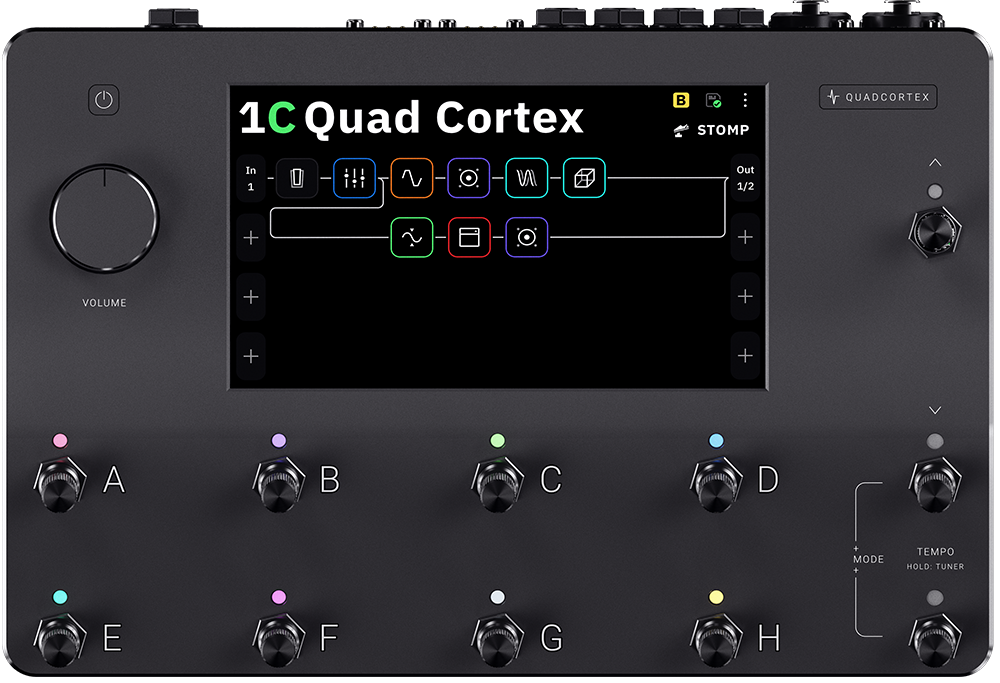
Neural DSP Quad Cortex:
- Why: A newer contender in the high-end digital realm, the Quad Cortex is praised for its intuitive touchscreen interface, powerful quad-core processor, and exceptional sound quality (using “Neural Capture” technology, similar to profiling). It’s incredibly compact for its features and provides an immense ecosystem of amps, cabs, and effects.
- Features to look for: Neural Capture technology for capturing real-world rigs, massive library of models and effects, intuitive 7-inch multi-touch display, incredibly powerful DSP, multiple I/O options (XLR, stereo sends/returns, USB audio), and WiFi connectivity for cloud updates and sharing.
- Price: Typically around $1800-$2000.
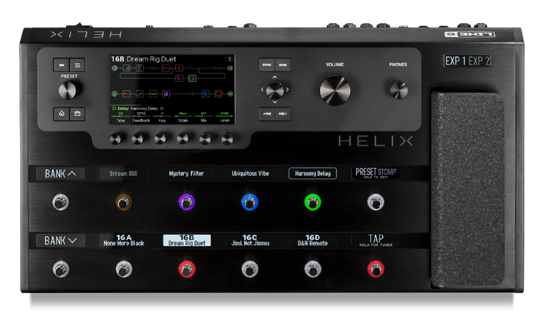
Line 6 Helix (Floor, Rack, LT):
- Why: The Helix series is a professional-grade modeling processor that offers an extensive collection of highly detailed amp, cab, and effect models. It’s a comprehensive solution for players who want a “fly rig” for touring, a powerful studio tool, or an all-in-one live setup without carrying heavy tube amps.
- Features to look for: Hundreds of amp, cab, and effect models, intuitive workflow, flexible routing options, robust I/O (XLR, multiple effects loops, Variax input), and powerful DSP. The Helix Floor is the flagship floorboard unit, Helix Rack for studio/rackmount, and Helix LT offers a slightly streamlined version at a lower price point.
- Price: Helix LT around $1100-$1200; Helix Floor/Rack around $1500-$1700.
Boutique & High-End Specialists (Tone Perfection)
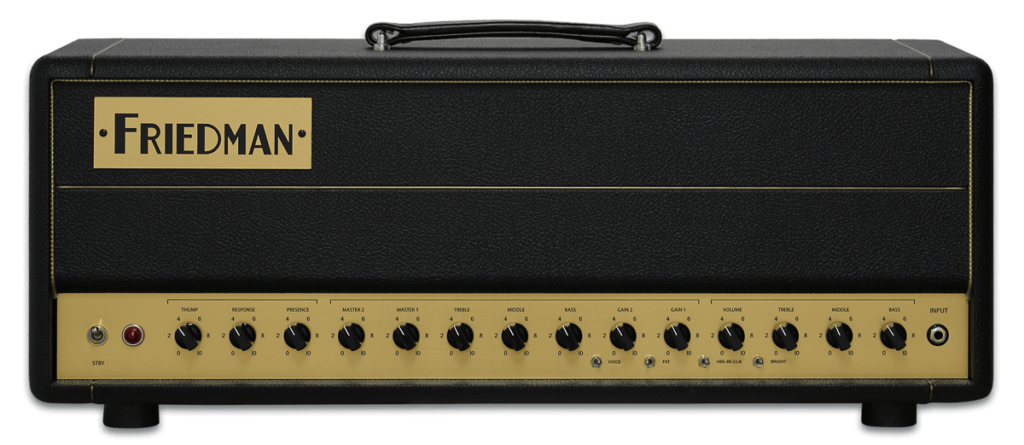
Friedman Amplification (BE-50 Deluxe, PT-20, Small Box):
- Why: Friedman amps are the go-to for players seeking hot-rodded Marshall-style tones with incredible touch sensitivity, clarity, and articulation. Dave Friedman’s designs are renowned for their gain, punch, and ability to clean up.
- Features to look for: Hand-wired or meticulously assembled tube circuitry, multiple gain stages, comprehensive EQ controls (often with internal trim pots for fine-tuning), and premium components. The BE-50 Deluxe is a versatile beast, while the PT-20 (Pink Taco) offers classic BE-style gain in a lower wattage.
- Price: Starts around $1700-$2000 (for lower wattage heads) and goes up significantly for higher wattage models like the BE-50 Deluxe ($3700+).
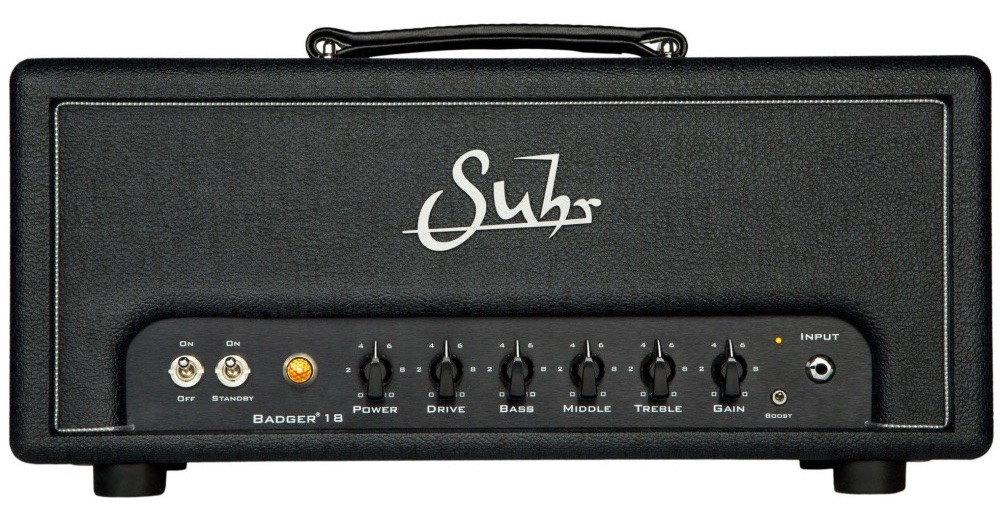
Suhr Amplifiers (Badger 18/30, PT15 I.R.):
- Why: Suhr amps are known for their impeccable build quality, versatility, and exceptional clarity. They often blend vintage inspirations with modern performance, providing pristine cleans and highly articulate overdrive.
- Features to look for: High-quality components, meticulous construction, often versatile power scaling, and transparent effects loops. The Badger series offers a great range of classic rock and blues tones, while the PT15 I.R. is a modern, versatile head with built-in Impulse Responses.
- Price: Badger 18/30 heads typically $1800-$2300 (cabinet separate). PT15 I.R. around $2800.
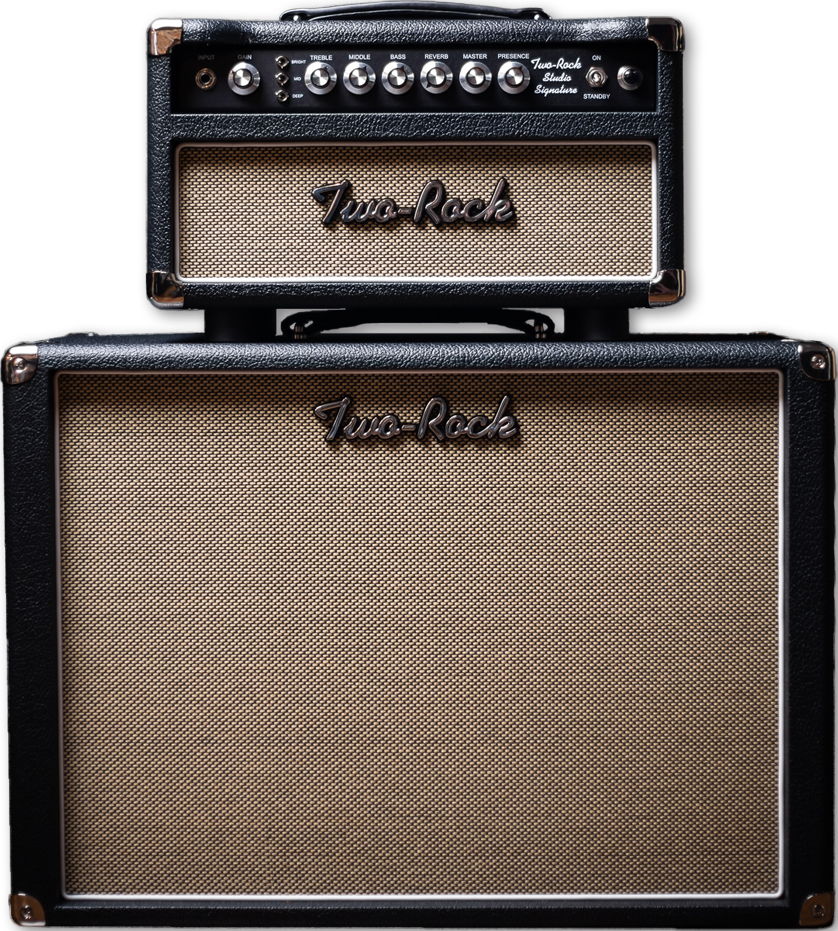
Two-Rock Amplifiers (Classic Reverb, Studio Signature):
- Why: Two-Rock amps are the standard for players seeking pristine, articulate, and incredibly dynamic clean tones inspired by Dumble amplifiers. They are highly touch-sensitive and take pedals exceptionally well, favored by blues, jazz, and fusion players.
- Features to look for: Hand-wired construction, tube-rectified power sections, lush tube-driven spring reverb, and exceptionally clear, warm, and resonant tones.
- Price: Typically start at $3000+ for most models, but you might find used smaller wattage combos (like the Studio Signature 35) or older models in the $2000-$3000 range.
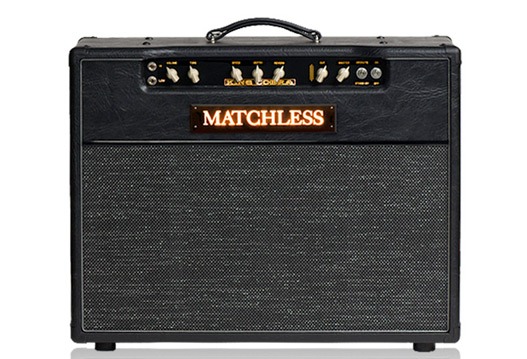
Matchless Amplifiers / Bad Cat Amplifiers:
- Why: These brands offer boutique, hand-wired amplifiers known for their distinctive “Class A” tones, bright cleans, and rich, harmonically complex overdrive. They often draw inspiration from classic Vox and Marshall circuits but refine them for modern players.
- Features to look for: High-quality components, point-to-point wiring, often EL84 power tubes, and unique voicing. Matchless models like the Chieftain or Lightning, and Bad Cat models like the Hot Cat, are highly regarded.
- Price: Typically start at $2500-$3000+ for heads, and more for combos.
Essential Accessories
Cables
Quality matters: A good cable preserves your tone and reduces noise. Look for well-built cables with quality connectors.
Length considerations: Longer cables can cause tone loss (particularly high frequencies). Use the shortest cable that meets your needs.
My recommendation: Invest in at least one high-quality cable for recording and important performances. Brands like Mogami, Evidence Audio, and Analysis Plus make excellent options.
Effects Pedals
While not essential for beginners, effects pedals open up new sonic possibilities. If you’re just starting your pedal collection, consider these foundational effects:
Overdrive/Distortion: Adds grit and sustain to your clean tone. Great for rock, blues, and beyond. My favorites: Ibanez Tube Screamer, Boss BD-2 Blues Driver
Delay: Creates echoes of your notes. Useful for solos, atmospheric playing, and thickening your sound. My favorites: Boss DD-8, MXR Carbon Copy
Reverb: Adds space and ambience to your tone. (Skip this if your amp has built-in reverb). My favorites: Strymon Flint, Boss RV-6
Tuner pedal: Ensures you’re in tune and can mute your signal during breaks. My favorites: TC Electronic PolyTune, Boss TU-3
Picks
Picks come in different materials, shapes, and thicknesses, all affecting your tone and playing feel:
Thinner picks (0.38-0.60mm): More flexible, good for strumming.
Medium picks (0.60-0.80mm): Versatile for both strumming and single-note playing.
Heavy picks (0.80-1.5mm): Provide more control for fast playing and heavier styles.
My recommendation: Try a variety to find what works for you. I personally use different thicknesses for different playing styles – thinner for acoustic strumming, thicker for electric lead work.
Straps
A good strap is essential for playing standing up:
Width: Wider straps distribute weight better, which is important for heavier guitars.
Material: Leather is durable but can be slippery; suede and fabric options offer more grip.
Length adjustment: Make sure the strap adjusts to your preferred playing height.
My recommendation: Always install strap locks or at least rubber strap blocks to prevent accidental drops.
Cases and Gig Bags
Protect your investment with a good case:
Hard cases: Maximum protection, ideal for valuable instruments and travel.
Soft cases/gig bags: Lighter, more portable, sufficient for local transport of less expensive instruments.
My recommendation: For any guitar over $500, a hard case is a worthwhile investment. For day-to-day local use, a well-padded gig bag is more convenient.
Strings
Guitar strings are the heart of a guitar’s sound, and they come in various materials, gauges, and windings to affect both tone and playability. Understanding these different aspects allows you to choose strings that suit your style and preferences.
In my video “Do expensive strings sound better? (The Ultimate String Test!)” I play through and compare a variety of different strings.
Gauges:
- Light gauge (9-42 or 10-46 for electric): Easier to bend, lower tension, slightly thinner tone.
- Medium gauge (11-49 for electric): More tension, fuller tone, requires more finger strength.
- Heavy gauge (12-56/13-58): Produce a fuller tone, more defined low end, more tension, requires even more finger strength.
Winding:
- Roundwound: Most common type, offering a brighter sound.
- Half-Round: Ground down for a smoother feel and warmer tone.
- Flatwound: Ultra-smooth surface and a vintage sound.
- Coated: Have a thin layer of polymer coating applied to their surface, typically after they are wound. This coating helps protect the strings from corrosion, dirt, and grime, extending their lifespan and helping maintain tone.
Changing strings:
- Frequency: Change strings regularly, typically every 1-2 months.
- Signs: Look for dull tone, difficulty in tuning, discoloration, or changes in feel.
My recommendation: Beginners should start with lighter gauges while building finger strength. Experiment with different brands and materials as well – each has a unique feel and tone.
Tools and Maintenance Supplies
Basic maintenance tools will keep your guitar playing and sounding its best:
String winder and cutter: Makes string changes faster and easier.
Hex wrenches (Allen keys): For adjusting the truss rod, bridge, and other components.
Polishing cloth: To wipe down your guitar after playing and remove fingerprints.
Guitar polish: For occasional deeper cleaning (use only products made for guitars).
My recommendation: Learn basic maintenance skills like changing strings and simple adjustments. For more complex work like fret leveling or pickup height adjustment, consult a professional until you’re comfortable doing it yourself.
Essential vs. Nice-to-Have: A Practical Guide
Absolute Essentials
- Amplifier: Even a small practice amp is crucial
- Cable: At least one good-quality cable
- Picks: Assortment to find what works for you
- Tuner: Clip-on, pedal, or app
- Extra strings: Strings break at the worst moments!
Next Level Additions
- Effects pedals: Start with versatile options like overdrive
- Strap and strap locks: For playing standing up
- Hard case or gig bag: Protect your investment
- Basic setup tools: For maintenance and adjustments
Luxury Items
- Multiple amplifiers: Different amps for different tones
- Extensive pedalboard: For tone exploration
- Premium cables: For maximum tone quality
- Multiple guitars: For exploring different sounds, backup for live gigs
Finding Your Amplifier: Decision Tree
Start with your primary playing environment:
- Mostly practicing at home? → Consider a small practice amp with headphone output
- Need to play with a live drummer? → You’ll need at least a mid-sized amp (20W tube or 40W+ solid-state)
- Playing primarily clean tones? → You’ll need more power for clean headroom
- Want built-in effects? → Look at digital modeling amps
- Prioritize pure tone over features? → Consider a simple tube amp
A Personal Note on Amplifiers and Accessories
Over the years, I’ve learned that while a great guitar is important, the amp might be even more crucial to your overall sound. I’ve played expensive guitars through mediocre amps that sounded average at best, and more modest guitars through excellent amps that sounded fantastic.
If you’re on a limited budget, I’d recommend spending a higher percentage on a good amp than most beginners typically do. A decent guitar through a great amp will often sound better than a great guitar through a poor amp.
As for accessories, start with the essentials and add more to your setup as your needs evolve. It’s easy to get caught up in “gear acquisition syndrome,” but remember that great music has been made on very simple setups. Focus on playing rather than collecting, and add gear that solves specific problems or opens new creative possibilities rather than just accumulating stuff.