Finding the right electric guitar involves balancing your budget with your needs and preferences. In this section, I’ll offer recommendations at different price points and share practical advice for the buying process.
Entry Level ($200-$400)
For aspiring guitarists and those on a tighter budget, the $200-$400 range offers a surprising number of capable electric guitars. While you’ll encounter more cost-saving measures in terms of materials and hardware, many brands now offer instruments that are reliable, playable, and sound good enough to get you started and keep you inspired for years.
The key here is value for money and focusing on the core elements that make a guitar enjoyable to play and learn on. In my video “The best guitar under $250 (are they any good?!)” I play a variety of entry-level guitars and talk through them in more detail.
Versatile & Beginner-Friendly All-Rounders
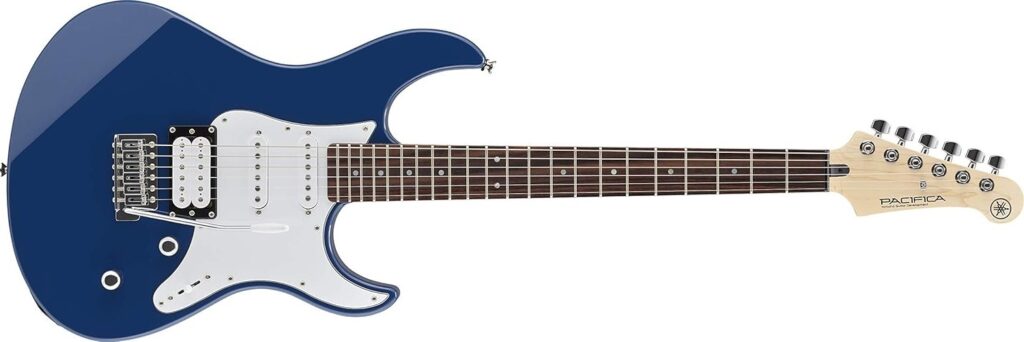
Yamaha Pacifica Series (PAC012, PAC112V):
- Why: Often hailed as one of the best beginner electric guitars, the Pacifica series offers incredible value. They are known for their excellent build quality, comfortable necks, and versatile HSS (humbucker-single-single) pickup configuration, allowing for a wide range of tones from clean pop to crunchy rock. The PAC112V (if you can find it for a bit over $300) is a significant upgrade over the PAC012, boasting an alder body, better pickups (Alnico), and often coil-splitting.
- Features to look for: “C”-shaped neck profile, 5-way pickup selector, and a vintage-style tremolo. The PAC112V specifically offers an alder body and Alnico V pickups for improved tone and sustain.
- Price: PAC012 usually around $200-$250; PAC112V around $330-$400.
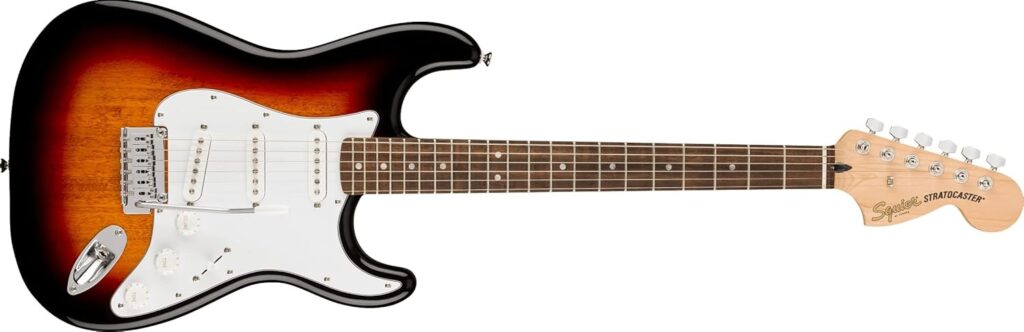
Squier Affinity Series (Stratocaster, Telecaster, Jazzmaster):
- Why: Squier is Fender’s budget-friendly brand, and the Affinity Series provides a superb gateway into the Fender family. They deliver the classic Fender look and feel, making them ideal for those who want to learn on a Strat or Tele without breaking the bank.
- Features to look for: Thin and lightweight body, comfortable “C”-shaped neck profile, and diverse pickup configurations (SSS, HSS for Strats; SS for Teles). The newer models often feature improved tuners and satin neck finishes.
- Price: Typically in the $280-$350 range.
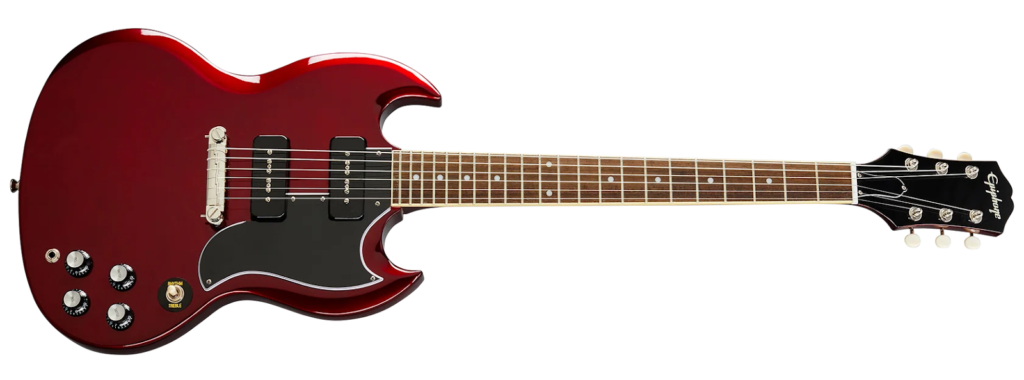
Epiphone Les Paul / SG Special/Studio LT:
- Why: For those leaning towards the beefier, warmer tones of Gibson, Epiphone’s entry-level Les Paul and SG models are excellent choices. They provide the iconic humbucker sound and aesthetic at a very accessible price point, perfect for rock, blues, and heavier genres.
- Features to look for: Mahogany body (often with bolt-on necks for cost), open-coil humbucking pickups (e.g., 650R/700T), and comfortable SlimTaper “D” or “C” neck profiles. The SG models are typically lighter and have better upper fret access.
- Price: Often found between $200-$350.
Genre-Specific Budget Gems
For Rock & Hard Rock:
- Jackson JS Series (e.g., JS11, JS12 Dinky): Known for their aggressive styling, thin necks, and powerful humbucking pickups, Jackson JS series guitars are perfect for aspiring rock and metal guitarists. They offer excellent playability for fast riffs and solos.
- Ibanez GRG / GIO Series (e.g., GRG121DX, GRX40, AZES40): Ibanez’s budget lines still retain the brand’s reputation for fast, comfortable necks and good quality. The AZES series is particularly noteworthy, designed with beginner-friendly features like a shorter scale length (25″) and comfortable body contours, while still offering versatile HSS or HH pickup configurations. The GIO series are classic entry-level shred machines.
- Gretsch Streamliner Junior Jet Club (G2210/G2215-P90): This often overlooked gem provides a unique, gritty tone with its humbucking or P90 pickups. It’s a solid-body guitar with a cool vintage vibe, great for blues, garage rock, and even some lighter punk. It often punches above its weight in terms of sound.
For Blues & Classic Rock:
- Squier Affinity Series Telecaster / Stratocaster: (As mentioned above) These are fantastic platforms for blues and classic rock, offering crisp single-coil tones that react well to overdrive.
- Epiphone SG Special: Its lighter weight and dual humbuckers make it a viable option for blues and classic rock, especially if you prefer a thicker, more sustained tone than a single-coil.
For Metal:
- Jackson JS Series (e.g., JS32 Dinky with Floyd Rose – can sometimes be found used in this range): For genuine shredders, the Floyd Rose equipped JS models offer dive bomb capabilities.
- Ibanez GRG / GIO Series: With their thin necks and often high-output humbuckers, these are strong contenders for metal.
- ESP LTD (M-10, EC-10): LTD’s entry-level models provide a darker, more aggressive aesthetic and often come with humbuckers suitable for heavier music.
Key Considerations in this Price Range:
- Pickups: Expect ceramic magnet pickups in most models. While they might lack the nuance of Alnico pickups found in more expensive guitars, they can still deliver good, usable tones, especially for distorted sounds.
- Hardware: Tuners will be functional but may require more frequent tuning than higher-end models. Bridges are generally fixed or basic tremolo systems.
- Tonewoods: Common body woods include poplar, basswood, or agathis. While often solid, they might not offer the same resonance or visual appeal as alder or mahogany.
- Fretwork: This is often where budget guitars show their limitations. While playable, you might encounter less perfectly finished fret ends or slight inconsistencies. A professional setup can significantly improve playability.
- Playability: Necks are generally designed to be comfortable for beginners, with a focus on ease of fretting.
- Consistency: There can be some variation in quality control from one guitar to the next within the same model. It’s always a good idea to inspect the specific guitar you’re buying if possible.
- Professional Setup (Recommended): For any guitar in this price range, investing $50-$75 in a professional setup can transform the playability. It ensures optimal string action, intonation, and neck relief, making the guitar much easier and more enjoyable to play, especially for beginners.
- Used Market: The used market is a fantastic place to find better value. You might be able to find a Squier Classic Vibe or a Yamaha Pacifica 112V (which are typically in the $400-$600 range when bought new) for closer to $300-$400 used, giving you a significantly better instrument.
These budget guitars are excellent tools for starting your musical journey. They are durable enough to withstand learning knocks and provide a solid foundation for developing your skills before you consider upgrading to an intermediate or professional instrument.
Intermediate ($400-$900)
Moving up to the $400-$900 range for electric guitars opens up a world of significantly improved quality in terms of hardware, pickups, tonewoods, and overall craftsmanship. These guitars are perfect for intermediate players who have a solid grasp of the basics and are looking for an instrument that can keep up with their developing skills and musical aspirations.
Overall Excellent Value & Versatility
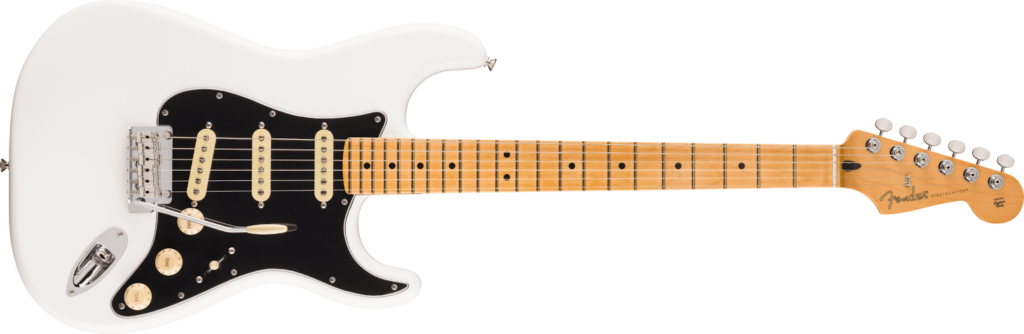
Fender Player Series (Stratocaster, Telecaster, Jazzmaster):
- Why: This is often the sweet spot for many intermediate players. Made in Mexico, the Player Series offers genuine Fender tones and playability at a more accessible price point than American-made models, providing a fantastic blend of vintage feel and modern performance.
- Features to look for: “Modern C” neck profile, 9.5″ fingerboard radius, Alnico 5 pickups (Player Series Strat and Tele pickups are noted for their clarity and articulation), and excellent tuning stability. Available in various pickup configurations (SSS, HSS, HH) to suit different genres.
- Price: Typically starts around $700-$800, occasionally dipping into the upper $600s during sales.
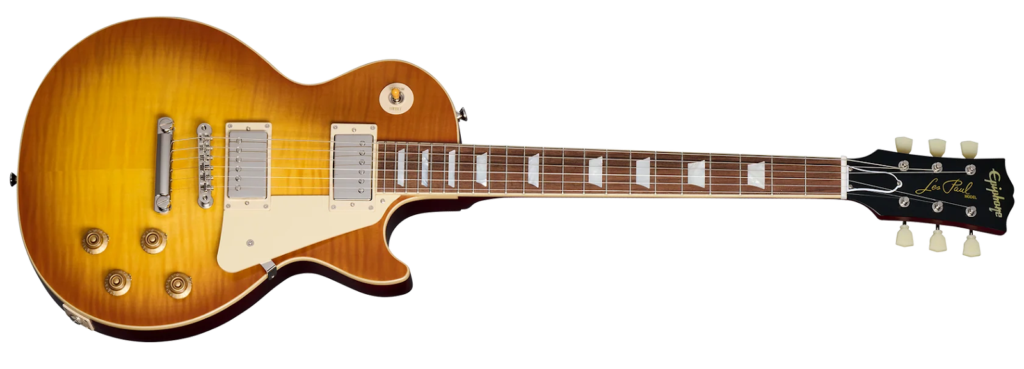
Epiphone “Inspired by Gibson” Series (Les Paul Standard, SG Standard, ES-335, etc.):
- Why: Epiphone’s higher-end models under the “Inspired by Gibson” banner are a huge step up from their entry-level offerings. They feature improved pickups, better hardware, and more accurate vintage-inspired specs, making them solid workhorses for classic tones.
- Features to look for: ProBucker humbucking pickups (modeled after Gibson BurstBuckers), quality hardware (e.g., LockTone bridge and tailpiece), and authentic neck profiles. The Les Paul Standard 50s/60s offer thick, sustained tone, while the SG Standard is lighter and brighter. The ES-335 provides rich, resonant semi-hollow tones.
- Price: Most models fall squarely in the $600-$900 range.
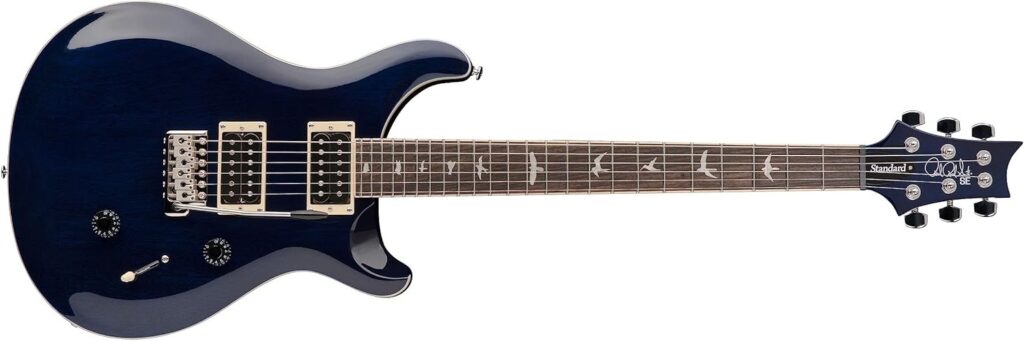
PRS SE Series (SE Custom 24, SE Standard 24, SE Standard 22):
- Why: Paul Reed Smith (PRS) SE guitars are incredibly popular for their excellent build quality, comfortable playability, and versatile tones. They often feature coil-splitting humbuckers, allowing for a wide range of sounds, and their attention to detail is remarkable for the price point.
- Features to look for: Maple tops with mahogany backs (on Custom models), PRS-designed humbuckers (often with coil-splitting for single-coil sounds), comfortable “Wide Thin” or “Pattern Vintage” neck profiles, and the signature PRS bird inlays. The SE Custom 24 is a highly regarded “do-it-all” guitar.
- Price: Typically range from $700-$900, with some models occasionally on sale in the upper $600s.
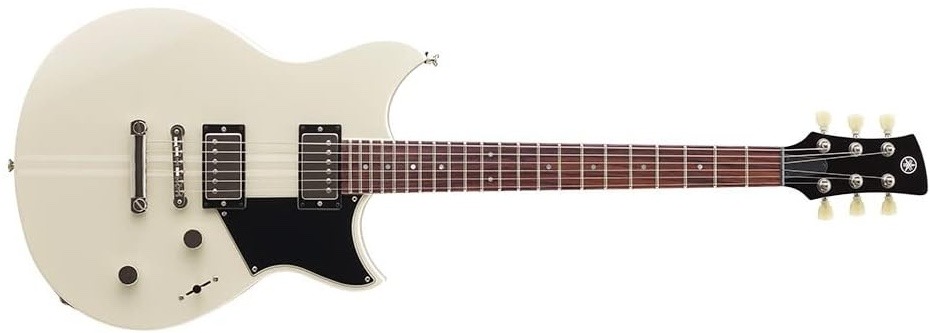
Yamaha Revstar Series (RSE20, RSS02T, RSP20):
- Why: Yamaha has been making waves with their Revstar line, offering unique aesthetics, comfortable playability, and surprisingly good tones for the price. They are well-built and offer a distinct alternative to the traditional Fender/Gibson shapes.
- Features to look for: Revstar models feature proprietary pickups designed for specific tonal characteristics, comfortable body contours, and high-quality hardware. The “Focus Switch” (a passive boost) on some models adds versatility.
- Price: Range from $600 to $900, with some of the higher-end Professional models pushing slightly beyond.
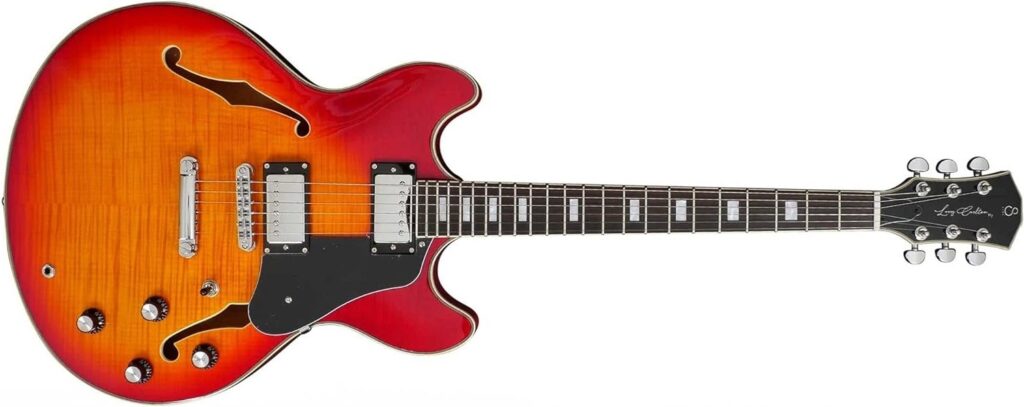
Sire (Larry Carlton S7, T7, L7, H7):
- Why: Sire has gained a strong reputation for offering high-quality instruments with excellent components and playability at competitive prices. Their Larry Carlton series is often praised for rivaling guitars in higher price brackets.
- Features to look for: Roasted maple necks (for stability and feel), locking tuners, high-quality Alnico 5 pickups (often designed by Larry Carlton himself), and excellent fretwork. The S7 (Strat-style) and T7 (Tele-style) are standout models for versatility and value.
- Price: Typically in the $600-$800 range.
Genre-Specific Recommendations
For Rock & Hard Rock:
- Epiphone “Inspired by Gibson” Les Paul Standard/SG Standard: As mentioned, these are workhorses for classic rock tones with their powerful humbuckers and iconic designs.
- Schecter Omen/C Series (e.g., Omen Extreme, C-1 SGR): Schecter makes guitars with a strong focus on heavier genres, often featuring high-output humbuckers, comfortable shred-friendly necks, and modern aesthetics.
- Ibanez RG Series (RG421, RG350DXZ, or similar): Ibanez RGs are synonymous with shred and metal. They feature thin, fast necks (Wizard or Nitro Wizard profiles), powerful humbuckers, and often stable tremolo systems.
- Jackson JS Series (higher-end models like JS32 DKA, JS32 King V): Excellent for metal and hard rock, known for their aggressive styling and humbucking pickups. Look for models with Floyd Rose tremolos if you’re into dive bombs.
For Blues & Classic Rock:
- Fender Player Stratocaster/Telecaster: The quintessential blues and classic rock guitars.
- Epiphone “Inspired by Gibson” ES-335/Casino: For a more resonant, warm, and often jazzy-blues tone.
- Gretsch Streamliner Series (G2622, G2420): These semi-hollow and hollow body guitars offer distinctive Gretsch chime and growl, perfect for rockabilly, blues, and classic rock with a unique flair.
- Squier Classic Vibe Series (especially 70s Telecaster Deluxe with humbuckers, Jazzmaster/Jaguar): While some are below $400, many push into this range and offer incredible vintage-inspired tones and feel due to their quality components and excellent craftsmanship for the price.
For Metal:
- ESP LTD Deluxe Series (EC-256, EC-401): LTD offers solid-body guitars with a sleeker, more aggressive look and feel, often equipped with active (EMG) or high-output passive humbuckers for heavy tones.
- Ibanez RG Series (mentioned above): A go-to for many metal players.
- Jackson JS Series (mentioned above): A strong contender for metal.
- Schecter Omen/C Series (mentioned above): Another great option for metal.
For Jazz:
- Ibanez Artcore Series (e.g., AF75, AS73, AS93): Ibanez Artcore guitars are renowned for offering excellent jazz box tones and playability at very affordable prices. They are often hollow or semi-hollow bodies with humbucking pickups that deliver warm, clean, and articulate sounds. The AS93 features Super 58 Custom pickups.
- Epiphone Casino/ES-335: These semi-hollow models are versatile and can produce fantastic jazz tones, especially with flatwound strings.
- Gretsch Streamliner Series (G2420, G2622): While known for rockabilly, they can also produce beautiful jazz tones, particularly the fully hollow G2420.
- Godin Kingpin Series (e.g., 5th Avenue Kingpin P90 – occasionally found used in this range): While often starting in a slightly higher price range, these Canadian-made hollow-body guitars are fantastic for jazz and blues, often featuring P90 pickups for a vintage bark.
Key Considerations in this Price Range:
- Pickups: You’ll start to see higher-quality pickups (often Alnico magnets) that offer more clarity, sustain, and character than those in cheaper guitars. Many models will have coil-splitting options for increased tonal versatility.
- Hardware: Tuners will be more stable, bridges will be more robust, and overall hardware quality improves, leading to better tuning stability and sustain.
- Tonewoods: While still typically not exotic woods, the quality and consistency of the body and neck woods tend to be better, contributing to better resonance.
- Fretwork: Expect smoother, more level frets, which translates to easier bending, lower action, and fewer buzzing issues. This significantly enhances playability.
- Comfort and Playability: Necks often feel more refined, and the overall fit and finish are significantly improved. Rolled fretboard edges become more common, enhancing comfort.
- Set-up: While better out of the box, a professional setup is still highly recommended to optimize playability for your specific preferences.
- Used Market: This price range is an excellent place to find used deals. You can often snag a guitar that originally retailed for $1000-$1200 for well within your $900 budget. Check reputable online marketplaces (Reverb, eBay) or local music stores.
Ultimately, the “best” intermediate electric guitar depends on your personal preferences for tone, feel, and musical style. Playing a few different models if possible will help you discover what feels and sounds right to you.
Professional ($900-$1500)
Moving into the $900-$1500 range, you’re looking at what many consider professional-grade instruments. These guitars feature premium components, meticulous craftsmanship, superior tonewoods, and often come with a hard case. While there are still compromises compared to custom shop or boutique guitars, these instruments are built to perform reliably in studio and live settings.
The Big Names – Stepping Up in Quality
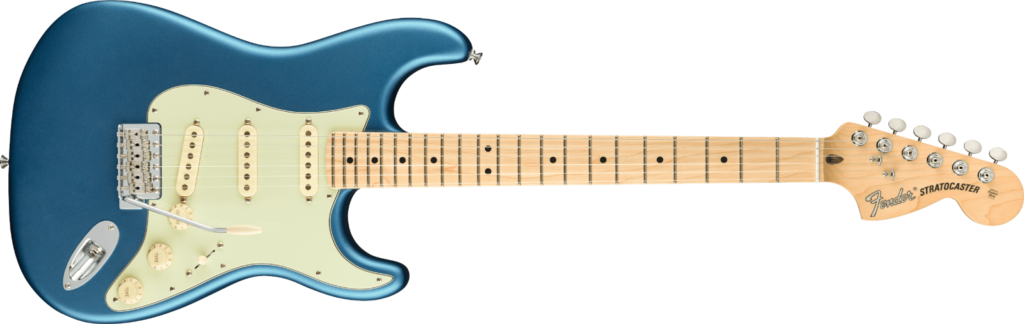
Fender American Performer Series (Stratocaster, Telecaster, Jazzmaster):
- Why: These are American-made Fenders, offering classic tones and feel with modern enhancements. You get genuine Fender single-coil or humbucking sounds, excellent playability, and high-quality hardware.
- Features to look for: “Modern C” neck profile, 9.5″ fingerboard radius, Yosemite pickups (designed for dynamic, articulate tone), Greasebucket tone system (rolls off highs without adding bass), and sometimes a satin-finished neck for smooth playing.
- Price: Typically starts around $1100-$1200 and goes up to $1500, depending on the model and features.
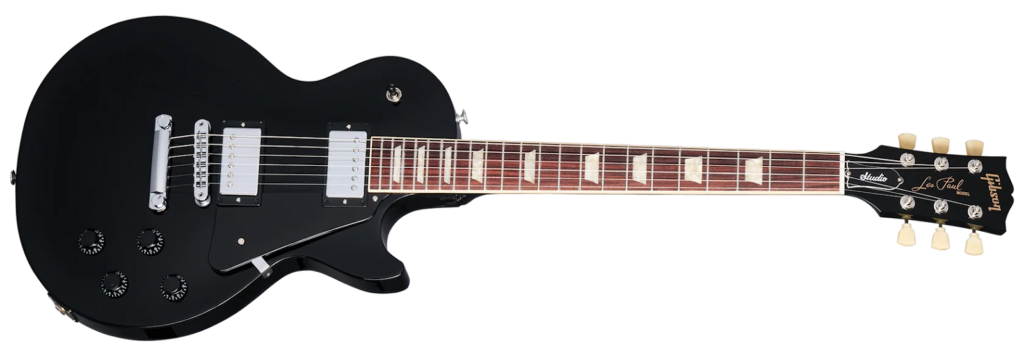
Gibson Les Paul Studio / SG Standard (New or Used):
- Why: While new Gibson Les Paul Studios often start at the very top of this range (around $1599), you can often find them on sale or slightly used within the $1200-$1500 bracket. The SG Standard also fits well. These offer authentic Gibson humbucker tones, rich sustain, and classic feel.
- Features to look for: Solid mahogany bodies (often with weight relief for Les Pauls), Gibson Burstbucker or 490R/498T pickups, SlimTaper or ’50s rounded neck profiles, and a nitrocellulose lacquer finish which is thought by some to allow the wood to “breathe” more and age beautifully.
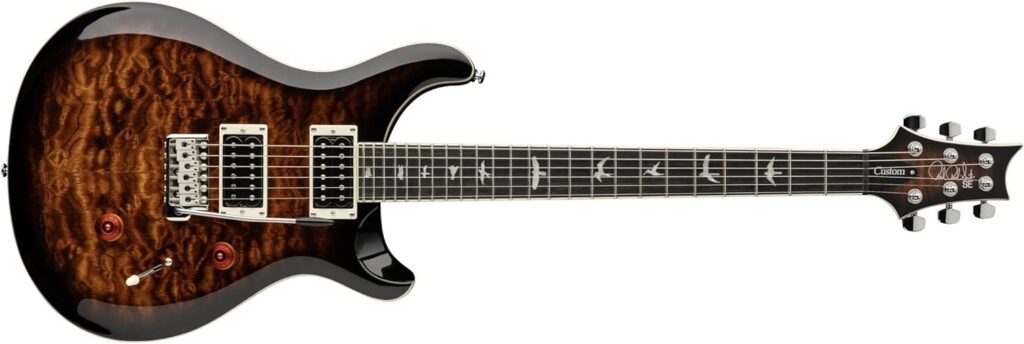
PRS SE Custom 24 / SE McCarty 594 (High-end SEs):
- Why: While PRS SE guitars are generally in the intermediate range, the higher-end SE models (especially the Custom 24 and McCarty 594 single-cut/double-cut) can push into the lower end of this professional range. They offer incredible build quality, stunning looks, and versatile tones.
- Features to look for: Maple tops with mahogany backs, PRS-designed humbuckers (often with coil-splitting via push/pull tone knobs), comfortable “Wide Thin” or “Pattern Vintage” neck profiles, and the signature PRS bird inlays. The McCarty 594 models are specifically designed for a vintage Gibson-like feel.
Modern Performance & Shred Machines
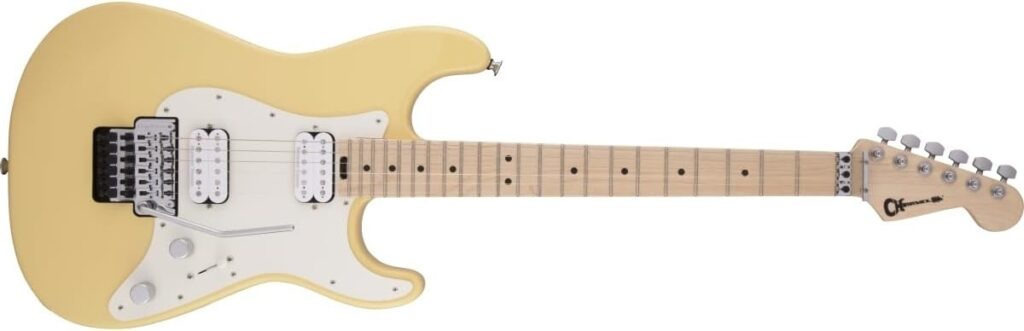
Charvel Pro-Mod Series (DK24, San Dimas, So-Cal):
- Why: These are “hot-rodded” superstrats designed for ultimate playability and tonal flexibility, making them a favorite among rock, metal, and fusion players.
- Features to look for: Caramelized maple necks (for stability and feel), compound radius fretboards (flatter towards the body for easier shredding), high-quality pickups (often Seymour Duncan or Dimarzio), locking tremolos (Floyd Rose or Gotoh 510), and rolled fretboard edges. These are often in the $900-$1200 range.
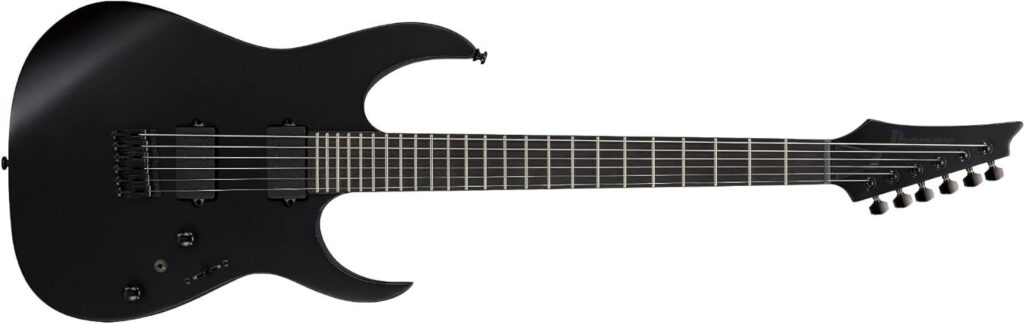
Ibanez Prestige (Used) / Ibanez Iron Label / Genesis / Axion Label:
- Why: While new Prestige models are usually above $1500, you can sometimes find used ones in this range, which would be an amazing score. Otherwise, the Iron Label, Genesis, and Axion Label series offer pro-level features for specific genres.
- Features to look for: Ultra-thin “Wizard” necks, high-output pickups (DiMarzio Fusion Edge, Fishman Fluence, or EMG), locking tremolos (Edge-Zero II, Floyd Rose), and sometimes exotic wood tops. These are built for speed, precision, and heavy tones.
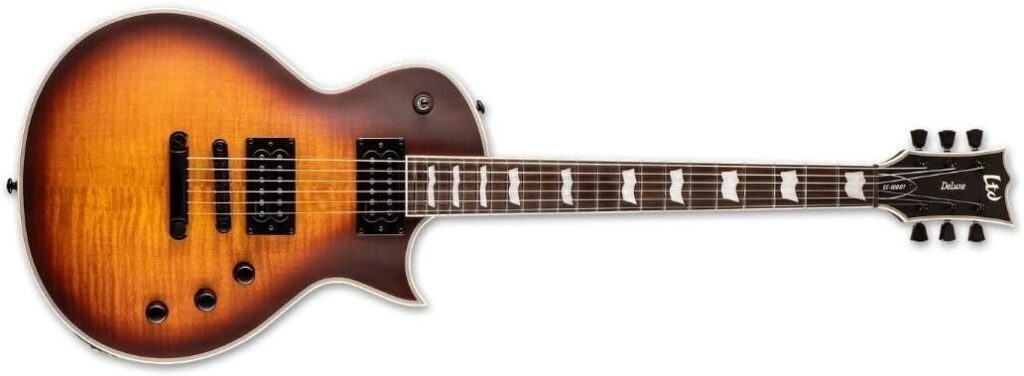
ESP LTD Deluxe Series (EC-1000, H-1000, M-1000):
- Why: ESP LTD’s 1000 series are absolute workhorses for hard rock and metal players. They offer premium components and excellent build quality, making them stage-ready right out of the box.
- Features to look for: Set-neck or neck-through construction, high-quality tonewoods, active (EMG, Fishman Fluence) or high-output passive (Seymour Duncan) pickups, locking tuners, and TonePros locking bridges. Often available with Evertune bridges as well. Many are in the $1000-$1400 range.
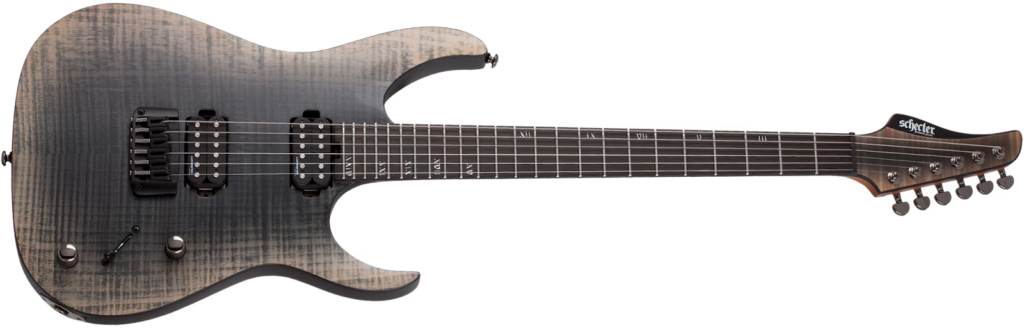
Schecter (Higher-end USA Production, or select high-end imports like Banshee Mach):
- Why: Schecter offers a wide range of guitars, but in this price bracket, you’re looking at their very best imported models, which often feature premium pickups and hardware. Occasionally, you might find a used USA Production model.
- Features to look for: Multi-ply necks for stability, exotic top woods, high-end pickups (Lundgren, Fishman Fluence, Seymour Duncan), Evertune bridges or Floyd Rose systems, and exceptional fretwork. The Banshee Mach series, for example, is very popular for modern metal players.
Unique & Boutique-Style Options (Often Great Value)
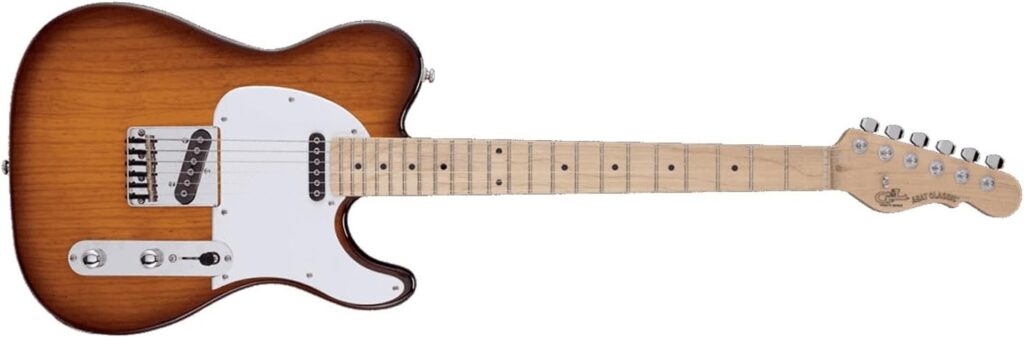
G&L USA Tribute Series (select models, or used USA models):
- Why: G&L guitars, designed by Leo Fender himself, often offer a more “boutique” or refined take on classic designs. Their USA Tribute series are excellent, and sometimes you can find a used USA-made G&L (e.g., Legacy, ASAT Classic) at the upper end of this budget.
- Features to look for: Proprietary MFD (Magnetic Field Design) pickups (hotter, clearer, and more dynamic than traditional Fender single-coils), Saddle-Lock bridge (for increased sustain), and excellent build quality.
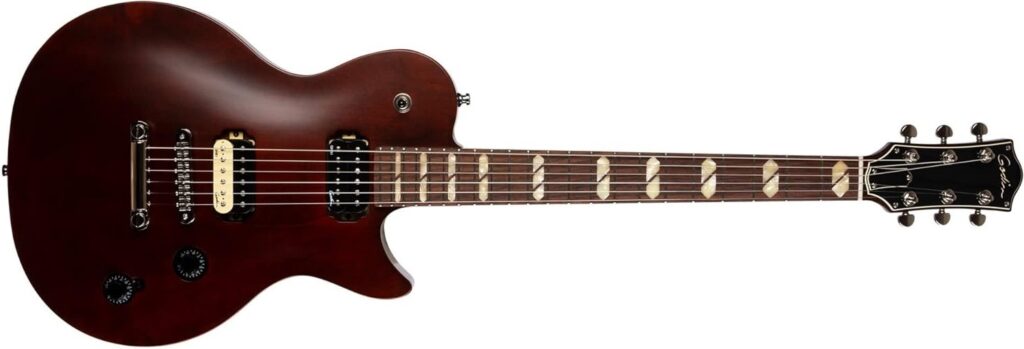
Godin (Summit Classic, Session, Radiator):
- Why: Godin builds guitars in Canada and is known for innovative designs, exceptional playability, and high-quality components. They often combine classic aesthetics with modern features.
- Features to look for: Unique body designs, quality tonewoods like mahogany or basswood, Graphtech Tusq nuts, high-ratio tuners, and their own well-regarded pickups. They tend to offer great value for a North American-made instrument.
Used High-End Imports / Entry-Level US-Made:
- This is where the used market truly shines. You might find a used Music Man Sterling by Music Man (JP, Axis, Cutlass) that was originally above $900, or perhaps even an older American Standard Fender or a Gibson Les Paul Faded/Tribute that has been well-maintained.
- Reverend Guitars (New or Used): As mentioned before, new Reverends can sometimes exceed $900, but many fall perfectly into this range. Their unique aesthetic and the “bass contour” control make them incredibly versatile.
- Chapman Guitars (ML Series): Chapman has built a reputation for offering high-quality, feature-rich guitars designed with input from their community. They often come with great pickups and hardware.
Key Professional-Grade Features to Expect:
- Premium Pickups: Brand-name pickups (Seymour Duncan, DiMarzio, EMG, Fishman Fluence, Gibson, Fender Custom Shop) are common.
- Superior Hardware: High-quality tuners (often locking), stable bridges (Gotoh, TonePros, Floyd Rose), and durable output jacks.
- Better Tonewoods: More consistent and often more visually appealing tonewoods. While “tonewoods” are debated in electric guitars, higher-quality woods typically mean better resonance and sustain.
- Fretwork: Excellent fret leveling, crowning, and polishing (often stainless steel frets for durability and smooth bends), allowing for lower action and improved playability.
- Finishes: More durable and often thinner finishes, which some believe allows the wood to resonate more freely.
- Consistency: Better quality control ensures that each guitar meets a high standard of playability and tone.
- Gig Bag or Hard Case: Many guitars in this price range will come with a high-quality gig bag, and some may even include a hard case, which is a significant value add.
When spending in this range, it’s highly recommended to play the guitar before buying if at all possible. Feel the neck, check the fretwork, listen to the nuances of the pickups, and ensure it connects with you. This is an investment in an instrument that can genuinely last a lifetime of playing.
Premium ($1500+)
In the $1500+ range, you’re entering the realm of premium, high-end electric guitars. These instruments represent the pinnacle of production line quality, often blurring the lines with custom shop instruments. You’ll find meticulously selected tonewoods, exceptional craftsmanship, proprietary or top-tier electronics and hardware, and unparalleled playability. This is where subtle nuances in tone, feel, and aesthetics truly come to life, catering to discerning professionals and enthusiasts alike.
The Flagship Production Models
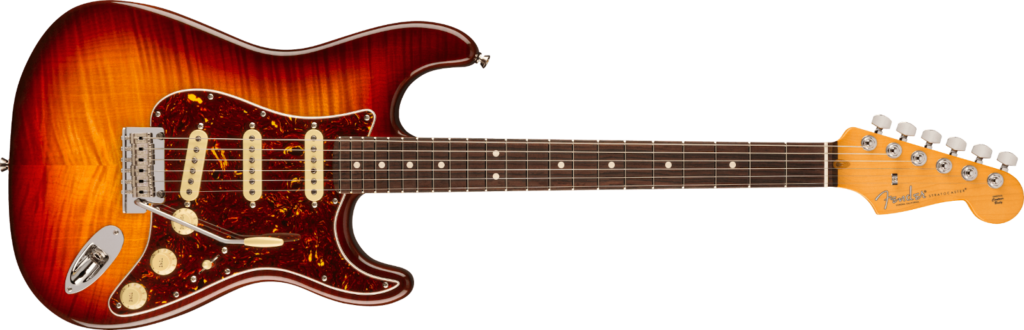
Fender American Professional II Series (Stratocaster, Telecaster, Jazzmaster, etc.):
- Why: These are Fender’s current top-tier production line guitars, built in the USA. They represent the evolution of iconic designs with modern player-centric features and refinements. They offer classic Fender tones with enhanced playability and versatility for today’s musicians.
- Features to look for: Deep “C” neck profile with rolled fingerboard edges and a “Super-Natural” satin finish for supreme comfort, V-Mod II pickups (designed for articulate, bell-like chime), sculpted neck heel for easy upper-fret access, and improved 2-point tremolo systems. Often include a high-quality hardshell case.
- Price: Typically starts around $1600-$1800 and can go up to $2000+.
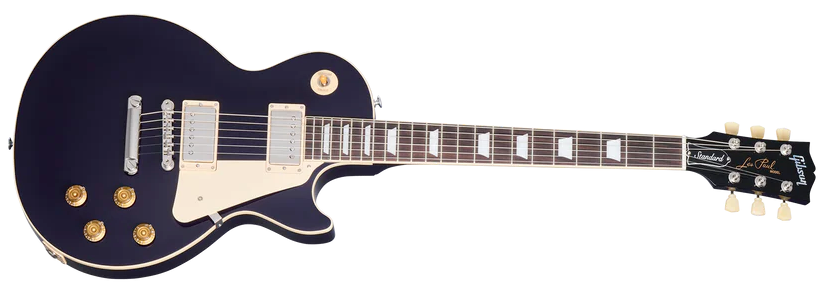
Gibson Les Paul Standard / SG Standard / ES-335 (New):
- Why: These are the iconic, full-fat Gibson models, usually manufactured in Nashville, USA. They represent the classic tones and feel that have defined rock, blues, and jazz for decades. Expect rich, resonant tones and a substantial feel.
- Features to look for: Solid mahogany bodies (often with maple tops on Les Pauls), Burstbucker or 60s Burstbucker pickups for authentic vintage tones, various neck profiles (e.g., ’50s Vintage, ’60s SlimTaper), nitrocellulose lacquer finishes, and top-tier hardware. The ES-335 and other semi-hollows offer unique resonance and warmth.
- Price: Les Paul Standards typically start around $2500-$3000, while SGs are closer to $1800-$2000, and ES models are often $2500-$3500+.
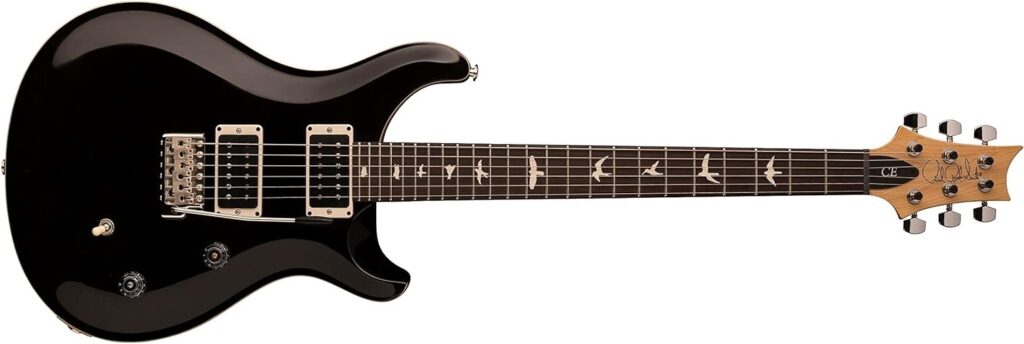
PRS Core Series (Custom 24, McCarty, Studio, etc.):
- Why: These are the Made-in-Maryland, USA, flagship PRS guitars. Renowned for their stunning aesthetics, impeccable craftsmanship, and incredible tonal versatility. PRS guitars are often considered hybrids, blending elements of Stratocasters and Les Pauls into unique, highly playable instruments.
- Features to look for: Hand-selected premium tonewoods (flame/quilted maple tops over mahogany bodies are common), proprietary PRS pickups (e.g., 85/15, 58/15 LT, McCarty), Pattern Thin/Regular/Vintage neck profiles, PRS patented tremolo or stop-tail bridges, and often the iconic bird inlays. The attention to detail in the carve, finish, and fretwork is exceptional.
- Price: New PRS Core models typically start around $3000-$3500 and go significantly higher. You might find some at the very top of the $1500-$2000 range, especially used, or if you consider the S2 series (which bridge the gap between SE and Core).
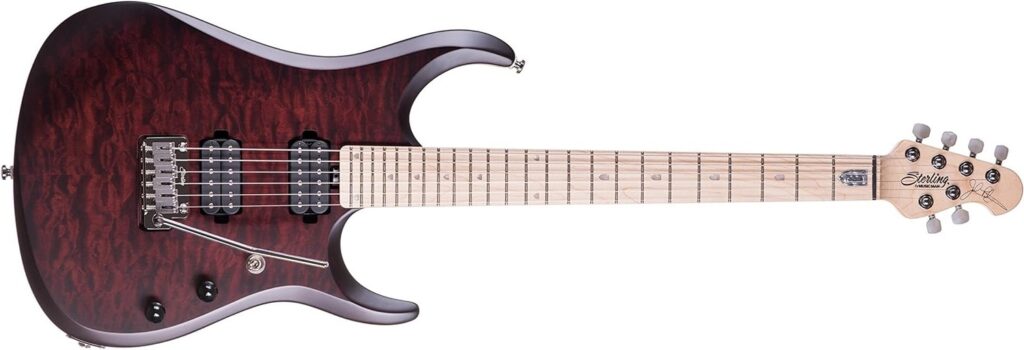
Music Man (Axis, Cutlass, StingRay, John Petrucci Signature Models):
- Why: Ernie Ball Music Man guitars are USA-made instruments known for their innovative ergonomics, exceptional playability, and often highly versatile electronics. They are favored by touring professionals for their reliability and performance-driven design.
- Features to look for: Comfortable neck profiles (often roasted maple), silent circuit technology for single-coil hum reduction (on models like the Cutlass), custom-wound pickups, advanced tremolo systems, and often unique switching options. Their John Petrucci signature models are highly sought after by shredders.
- Price: Most new Music Man models start around $2000 and go up to $3000+.
Boutique & Specialist Builders (Often Found New/Used in this Range)
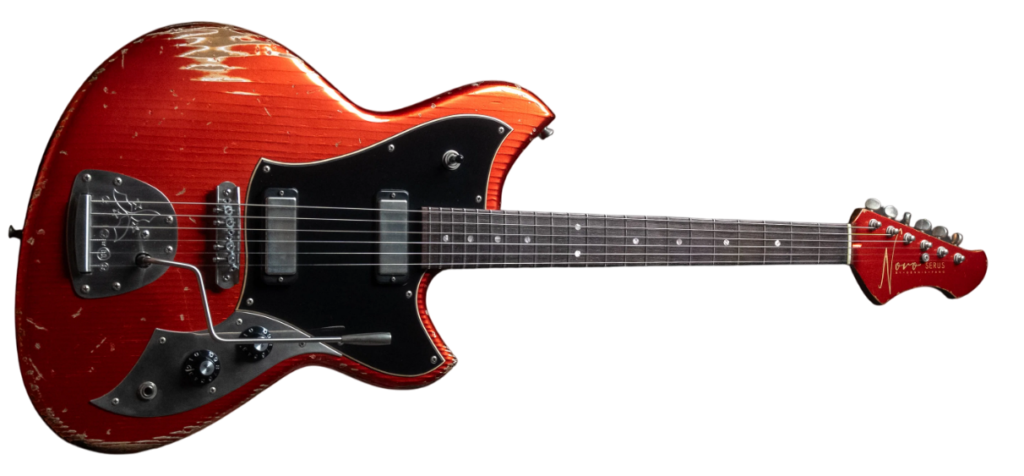
Novo Guitars (Used, or lower-end Nucleus series new – if available):
- Why: Novo Guitars – founded by Dennis Fano – are celebrated for their distinctive aesthetic (often with light distressing/relicing), innovative use of tempered woods (pine, maple), and exceptional resonance and playability. They blend vintage inspiration with modern build quality, resulting in instruments that are unique and highly sought after. While most new custom-ordered Novos are well above this price range (typically $3500-$6000+), you might occasionally find a used model or one from their more streamlined “Nucleus” series (if available through a dealer) at the very top of the $1500-$2500 range, or for a bit more.
- Features to look for: Tempered pine or ash bodies, tempered maple necks, often Mastery bridges and vibratos (on “J” style models), custom-wound pickups (e.g., Fralin, Lollar), and unique finishes often with light “distress” for a broken-in feel. Models like the Serus, Solus, and Miris are popular.
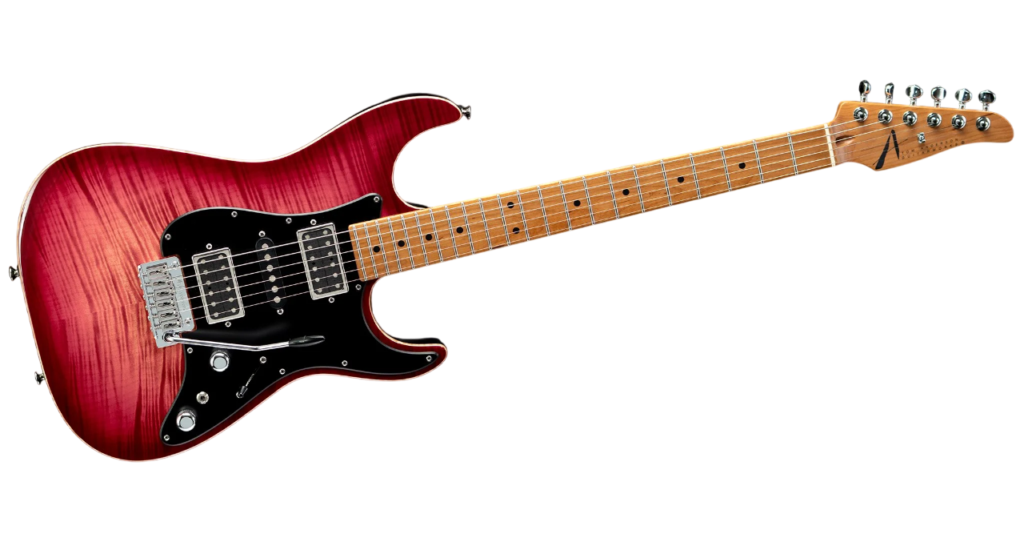
Tom Anderson Guitarworks / Suhr Guitars (Used):
- Why: These are two of the most respected names in boutique, “super-strat” style guitars. While new models often start above $3000, the used market can present opportunities to acquire these meticulously crafted instruments in the $1800-$2500 range. They offer unparalleled consistency, playability, and often noiseless single-coil tones or powerful humbuckers.
- Features to look for: Perfect fretwork (often stainless steel), roasted maple necks, precision locking tuners, high-quality tremolos, and custom-wound pickups designed for specific tonal goals.
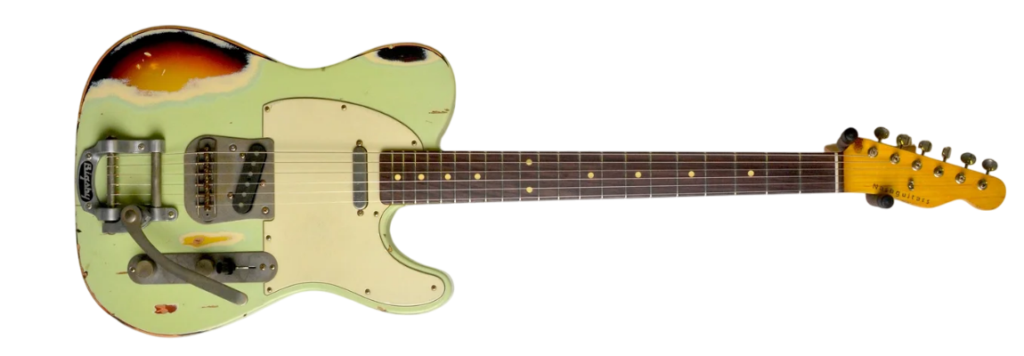
Nash Guitars (New or Used):
- Why: Nash specializes in relic’d (artificially aged) versions of classic Fender and Gibson designs. They are known for their exceptional playability, resonance, and vintage feel. They use Lollar pickups and high-quality hardware, offering a “broken-in” feel right out of the box.
- Features to look for: Various levels of relicing, lightweight swamp ash or alder bodies, aged nitrocellulose finishes, and often chunky neck profiles for a true vintage feel.
- Price: Typically starts around $1800-$2500.
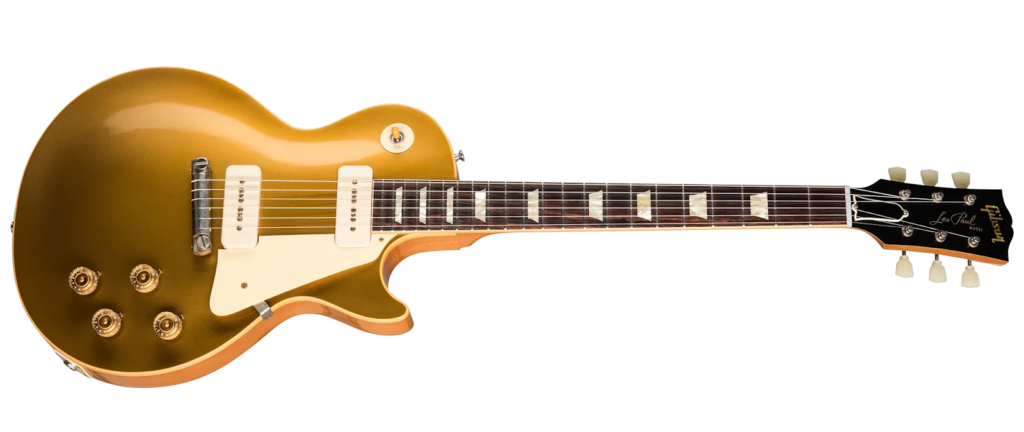
Fender Custom Shop / Gibson Custom Shop (Entry-level Used / Team-Built):
- Why: While most Custom Shop guitars exceed $3000, you can sometimes find entry-level or “team-built” Custom Shop models on the used market in the $2000-$3000 range. These represent the highest level of craftsmanship and historically accurate specifications (or unique experimental designs) from Fender and Gibson.
- Features to look for: Hand-selected tonewoods, period-correct hardware, hand-wound or specialized pickups, thinner nitrocellulose finishes, and often heavier relicing or unique finishes. These are truly collector-grade instruments.
Reverend Guitars (Higher-End Models):
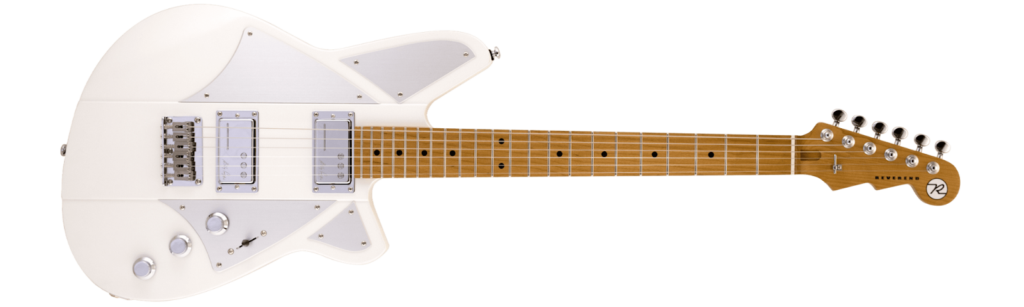
- Why: While some Reverend models fit in the intermediate range, their higher-end offerings often approach or slightly exceed the $1500 mark. They consistently deliver unique designs, excellent playability, and versatile tones thanks to their proprietary pickups and the innovative Bass Contour Control knob.
- Features to look for: Korina bodies (a lightweight, resonant wood), roasted maple necks, pin-lock tuners, and their distinct pickup designs that can cover a wide range of genres.
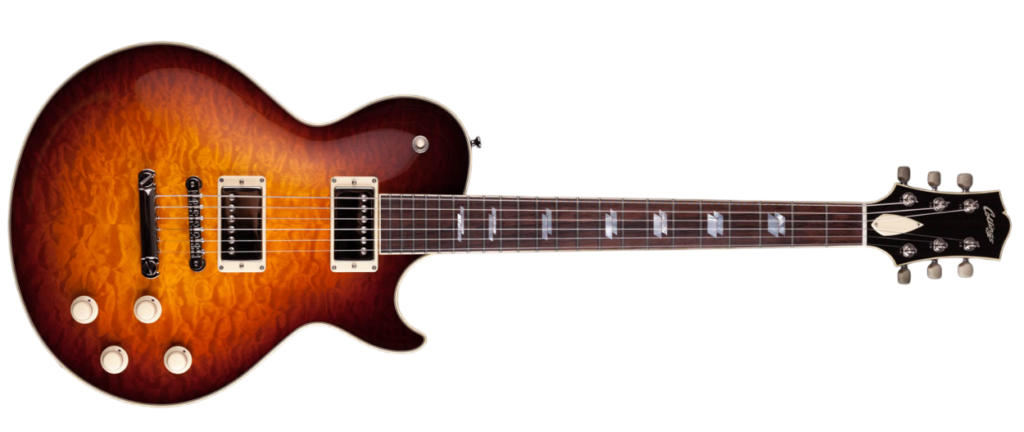
Collings / Frank Brothers (Used – If you’re extremely lucky):
- Why: These are genuinely high-end boutique builders, with most new models starting well above $3000. However, if you are very patient and diligent in the used market, you might occasionally find a deal on an older model. These are instruments of unparalleled quality, often handcrafted.
Key Premium-Grade Features to Expect:
- Exceptional Tonewoods: Often hand-selected, highly resonant, and visually stunning woods (e.g., figured maple, lightweight mahogany, roasted woods).
- Flawless Craftsmanship: Meticulous attention to detail in every aspect: perfect fretwork (often stainless steel), precise neck joints, immaculate finishes, and flawless binding.
- Proprietary or Top-Tier Electronics: Custom-wound pickups designed specifically for the instrument, advanced wiring (e.g., coil-splitting, phase switching, treble bleed circuits), and high-quality pots and switches.
- Premium Hardware: Locking tuners, highly stable bridges (often proprietary designs, Gotoh, or Hipshot), and durable nuts (bone or Tusq).
- Superior Playability: Optimized neck profiles, flawlessly rolled fretboard edges, and perfect setups from the factory, allowing for incredibly comfortable and expressive playing.
- Resonance and Sustain: The combination of superior materials and craftsmanship leads to instruments that resonate more freely and have longer sustain.
- Consistency: Extremely high quality control means virtually every guitar produced at this level will be an outstanding instrument.
- Hard Case: Almost all guitars in this range will come with a high-quality hardshell case for protection.
For guitars in this price bracket, personal preference is paramount. The differences often come down to subtle nuances in feel, neck shape, and tonal character. Playing these guitars in person is crucial to find the one that truly speaks to you, as this is a significant investment in a professional-grade instrument.
How to Choose the Right Guitar for Your Budget
When Budget Is Limited
- Prioritize playability above all else. A comfortable neck and reasonable action will keep you playing.
- Focus on the guitar’s core tone. Pickups can be upgraded later, but the basic voice of the guitar comes from its construction.
- Look for good-quality tuners. Staying in tune is essential for enjoying your playing experience.
- Consider buying used. You can often find an intermediate-level guitar for the price of a new beginner model.
- Budget for a setup. Even an inexpensive guitar can play much better after a professional setup, which typically costs $50-$100.
Value-Based Approach at Any Budget
- Know what matters most to you. Are you primarily a rhythm player? Lead? Do you need versatility or specialized tone?
- Don’t pay for features you won’t use. A complex tremolo system adds cost but may be unnecessary if you never use it.
- Consider resale value. Standard models from major brands (Fender, Gibson) tend to hold their value better than more obscure options.
- Be honest about your skill level. A beginner may not benefit from the subtle differences of a premium instrument.
- Factor in long-term ownership costs. More complex guitars (like those with Floyd Rose systems) require more maintenance.
Guitar Shopping
Checklist
Take this list with you when trying guitars to ensure you check all the important factors.
It’s easy to get swept up in the moment at a guitar shop. Use this checklist to stay focused on what actually matters — so you walk out with the right guitar, not just the shiniest one.
All 18 checks passed?
You’ve found a keeper.
No guitar needs to be perfect — but a guitar that ticks most of these boxes is one you’ll enjoy playing for years to come.
New vs. Used: Pros and Cons
Buying New
Pros:
- Warranty protection
- No hidden issues from previous owners
- Latest models with current features
- Factory fresh setup
- That new guitar smell!
Cons:
- Higher cost for the same quality level
- Immediate depreciation
- May still need a setup to optimize playability
Buying Used
Pros:
- More guitar for your money
- Depreciation has already occurred
- Vintage options not available new
- Pre-broken-in instruments often play nicely
- Environmentally friendly choice
Cons:
- No warranty (typically)
- Potential hidden issues
- Possible previous owner modifications
- Less choice in exact specifications
- May need more immediate maintenance
My advice on buying used: I’ve purchased many used guitars over the years, often with excellent results. The key is to inspect carefully, play thoroughly, and be willing to walk away if something feels off. Online purchases are riskier, so buy from reputable sellers with good return policies.
In-Store vs. Online Buying
In-Store Advantages
- You can play before you buy
- Immediate satisfaction
- Personal relationship with a local shop
- No shipping damage concerns
- Support for local businesses
Online Advantages
- Larger selection
- Often better prices
- Convenience
- Access to rare or boutique instruments
- Easier comparison shopping
My recommendation: If possible, try guitars in-store to understand what you like, even if you ultimately buy online. For significant purchases, the ability to play the specific instrument first is invaluable due to the natural variation between individual guitars.
Guitar Features by
Price Range 🎸
What exactly do you get as you move up in price? Here’s a feature-by-feature breakdown across four common price tiers.
The Sweet Spot
For most players, the $400–$800 intermediate range offers the best value — you get solid tonewoods, quality hardware, and reliable electronics without paying for diminishing returns. The jump from entry-level to intermediate is dramatic; the jump from professional to premium is subtle.
Value vs. Price
$200–400
$400–800
$800–1.5k
$1500+
Biggest quality jump happens between Entry Level and Intermediate
A Personal Note on Finding the Right Guitar
After playing and collecting guitars for many years, I’ve learned that specs on paper don’t always translate to an emotional connection with an instrument. I’ve owned technically “perfect” guitars that left me cold, and less prestigious models that I couldn’t put down.
My best advice is to use this guide to narrow down your options, but ultimately let your hands and ears make the final decision. The right guitar will inspire you to play more, and that’s what really matters. Don’t rush the process – the journey of finding your perfect guitar is part of the joy of being a guitarist.
Remember that even your dream guitar will likely need occasional setup adjustments as seasons change and as the instrument ages. Building a relationship with a good tech or learning basic setup skills yourself is part of guitar ownership.
Lastly, don’t fall into the trap of thinking you need the perfect guitar before you can make great music. Some of the most iconic guitar sounds in history were made on modest instruments. The player matters more than the gear!