While not directly on the guitar itself, these accessories are absolutely essential for any acoustic guitar player. We’re talking about protecting your investment, making it comfortable to play, and unlocking new musical possibilities. Don’t skip over these – they’re just as important as the guitar itself in terms of your long-term playing enjoyment and the health of your instrument. Let’s dig into the crucial world of cases, straps, and capos!
Cases.
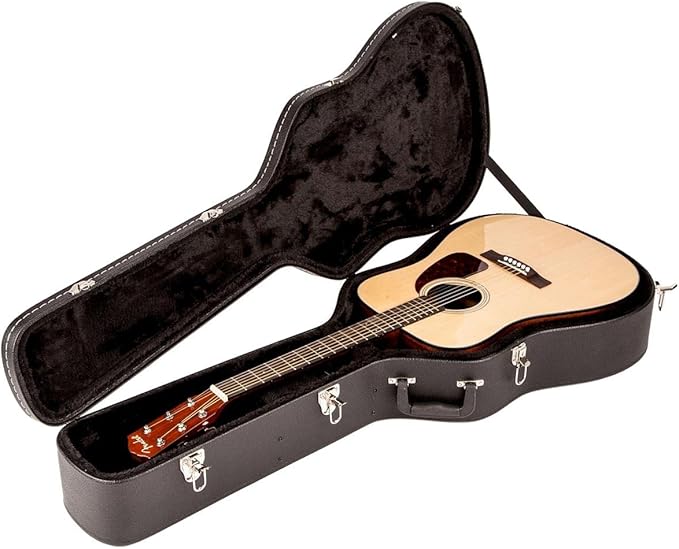
Hard Shell Case
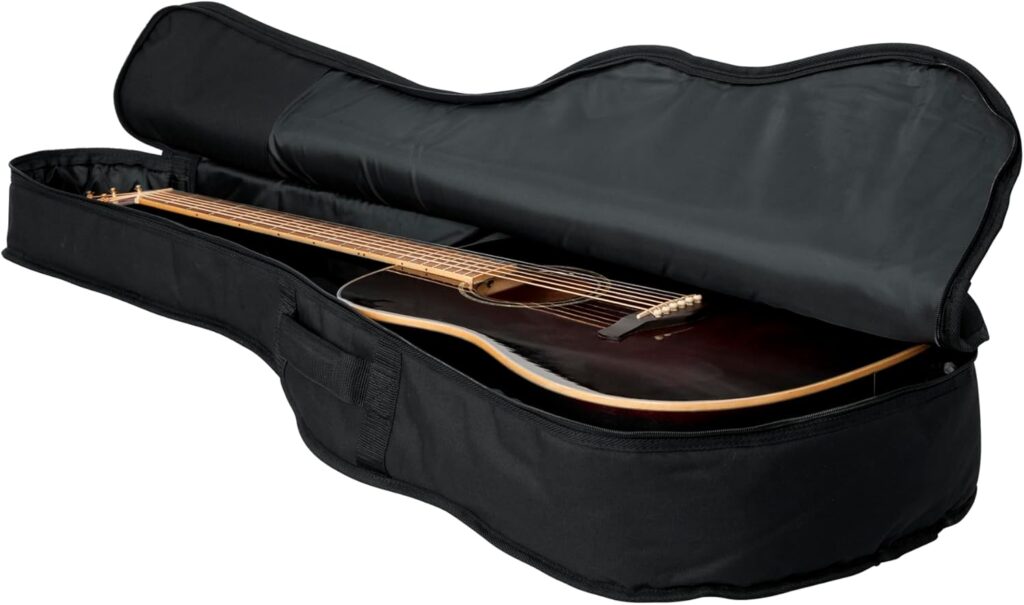
Gig Bag
Humidity control. The silent killer / savior.
Why it Matters: Acoustic guitars (especially solid wood ones) are extremely sensitive to humidity fluctuations. Too dry, and the wood shrinks, leading to cracks, sharp fret ends, and sinking tops. Too wet, and the wood swells, causing bellying, high action, and dull tone.
The Goal: Maintain relative humidity between 45-55% for most acoustics.
Tools
Humidifier
Dehumidifier
Hygrometer
Key Takeaway: A hard case + a humidifier + a hygrometer is the trifecta for keeping your acoustic healthy. This is not optional for solid wood guitars.
Straps.
Material
Leather
Nylon/Polypropylene
Cotton/Fabric
Width
Wider Straps (2.5″ – 3″+)
Narrow Straps (under 2″)
Key Takeaway: Prioritize comfort, especially if you play standing up for long periods. Wider is often better.
Strap locks.
Strap Locks
Capos.
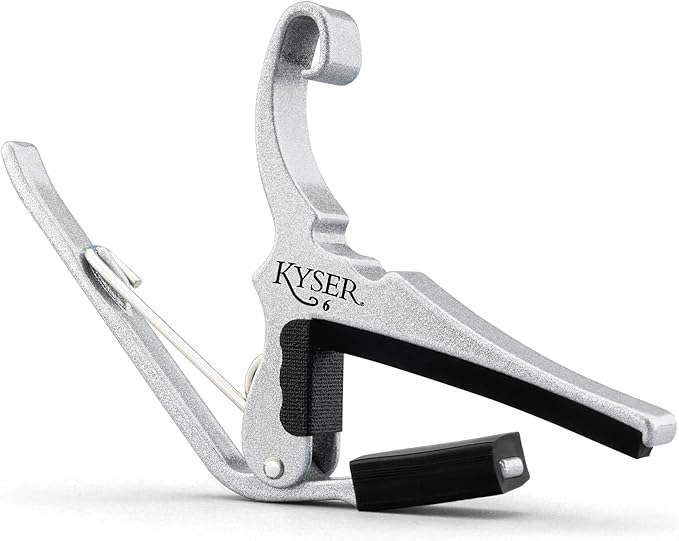
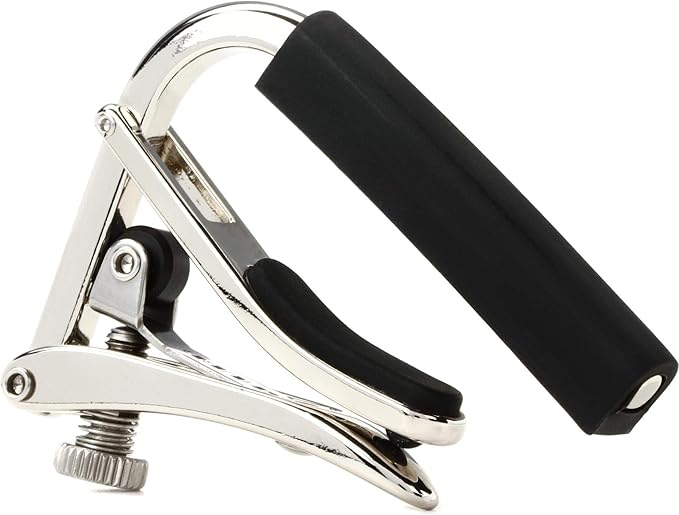
What it does: A capo clamps down on all the strings at a specific fret, effectively raising the pitch of all open strings. It allows you to play in different keys without changing your chord shapes.
Spring-loaded (e.g., Kyser, Shubb Capo Lite)
Screw/Tension Adjust (e.g., Shubb, G7th Performance)
Yoke/U-shaped (e.g., Elliott, G7th Heritage)
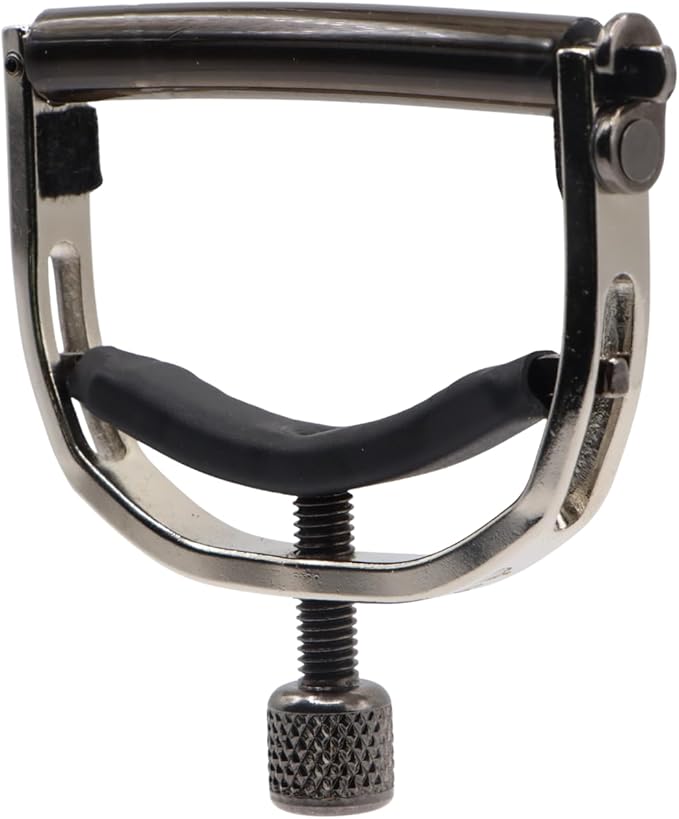
Key Takeaway: Look for capos with soft, durable rubber padding where they contact the neck and fretboard to prevent damage.
A personal note on accessories
Buying a new guitar is thrilling. It’s the big-ticket item, the shiny new toy. However, please, please, do not underestimate the importance of the accessories. They might not be the star of the show, but they are the entire supporting cast.
A good hard case with proper humidity control isn’t just an expense; it’s literally the lifeblood of your solid wood acoustic. It’s what protects your investment from cracking in dry winters or swelling in humid summers.
A comfortable strap means you can actually enjoy playing standing up for more than ten minutes without your shoulder screaming. And a reliable, intonation-friendly capo opens up countless musical possibilities you simply can’t access otherwise. These aren’t just add-ons; they’re essential tools that enhance your playing experience, extend your guitar’s life, and allow you to explore more music. Think of them as the unsung heroes that enable all the fun.
Don’t be “penny-wise and pound-foolish” here. Invest in good accessories, and your guitar – and your playing – will thank you for years to come. Seriously, take care of your guitar, and it’ll take care of you. If you want to see more useful accessories, checkout my video below, where I showcase 10 more of my favorite things every guitarist needs / wants:
Next Chapter: Electronics and Amplification