Different woods give your guitar different voices. Some are bright and articulate. Some are warm and woody. Some can be pushed hard before they break up, others compress under your fingers like a natural limiter. The wood your guitar is built from is one of the biggest tonal levers a luthier has, and one of the most important things to understand before you spend money on an acoustic.
The importance of the top.
The top (or soundboard) is arguably the most critical tonal component of an acoustic guitar. It acts like the speaker membrane, vibrating and amplifying the string vibrations.
If you’ve ever held your hand on the top of a guitar while playing, you’ve immediately noticed how it kills all the beautiful frequencies and overtones. That’s because you’re stopping the very thing that creates the sound. I demonstrate exactly this in my video “I Wish I Knew This Before Buying An Acoustic: THE TOP”:
Top woods.
Sitka Spruce
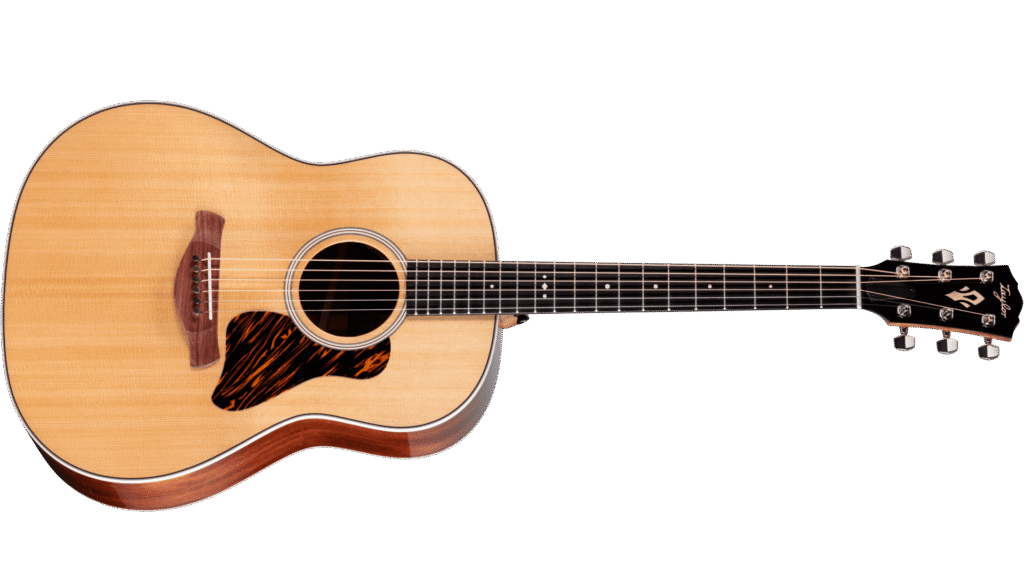
Sitka spruce is the industry standard for good reason. Incredibly versatile: excellent projection, clarity, and a wide dynamic range. Capable of almost anything, with a beautiful clean grain. Sitka is the standard that every guitar manufacturer uses for about 80% of their production.
Adirondack (Red) Spruce
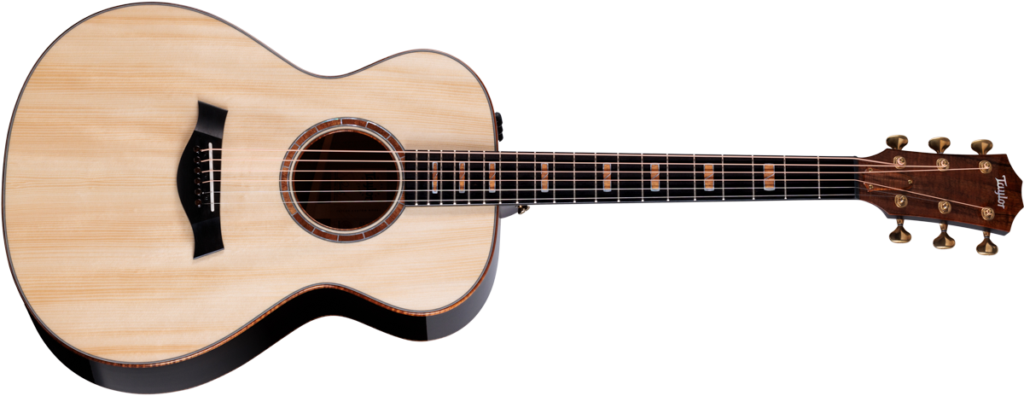
When comparing Sitka and Adirondack tops directly, the difference is astonishing. The Adirondack is louder and packs more volume: it resonates easier and demands to be heard. Sometimes (definitely not always) it can lose detail compared to Sitka, or feel too bombastic.
If a dreadnought is the piano of acoustic guitars, Adirondack adds to that. But louder isn’t always better, so listen before you buy if possible.
European Spruce
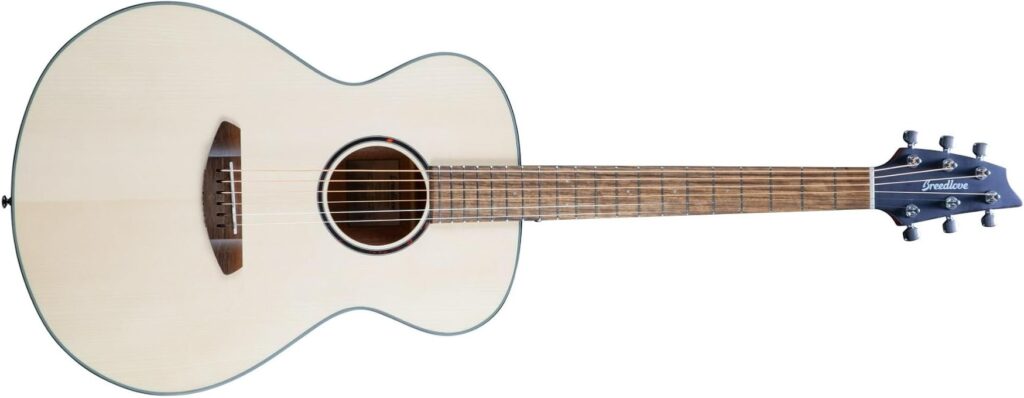
European spruce is probably the best-looking top wood there is. Light in color, almost no grain. Comes from places like Italy, Bosnia and Switzerland: Swiss Alpine spruce is often lighter and even more beautiful than Sitka.
Cedar
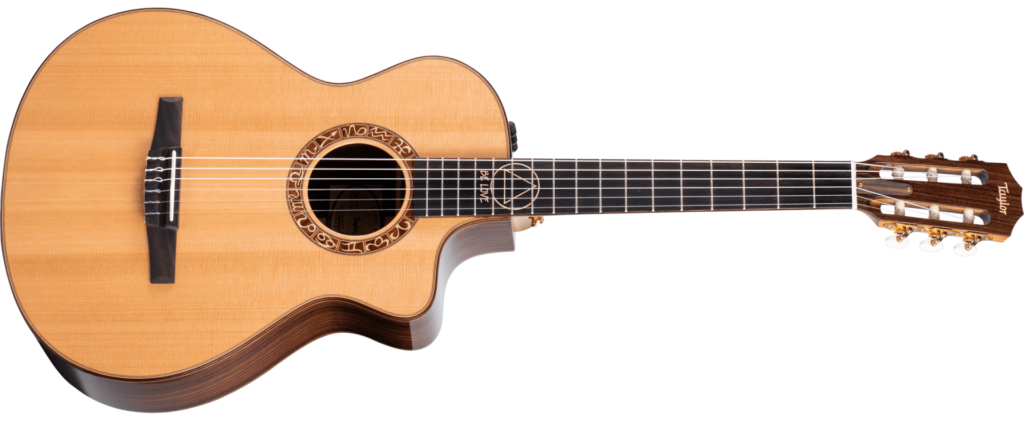
Cedar is very different from spruce. It’s lightweight, so it doesn’t take much energy to start vibrating. A very light input from your fingers and it’s already moving. Sitka can handle a lot of energy: you can strum and play intensely.
Cedar can’t do that. It will stop you and act like a natural compressor. It won’t let you push the dynamics too far, which is great for a fingerstyle player with a light technique.
Mahogany (as a top)
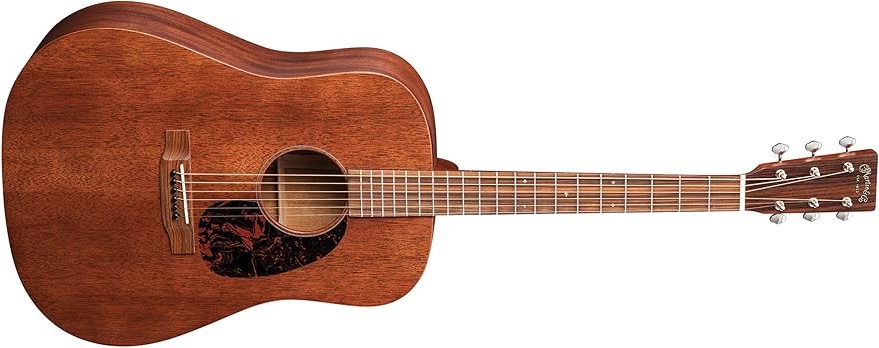
Mahogany guitars produce a warm, balanced tone, often described as “woody” or “dry.” Mahogany’s acoustic properties give it a balanced, focused tone that works for many styles of music.
Koa
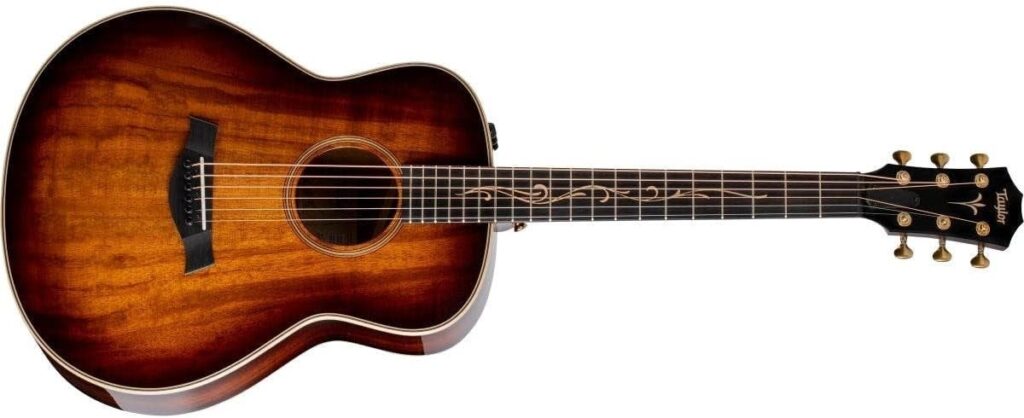
Best for players who love the aesthetic, those willing to put in the playing time to “open up” the guitar, fingerstyle and strumming, and anyone looking for a unique, evolving tonal character.
Torrefied/Thermally Treated Woods
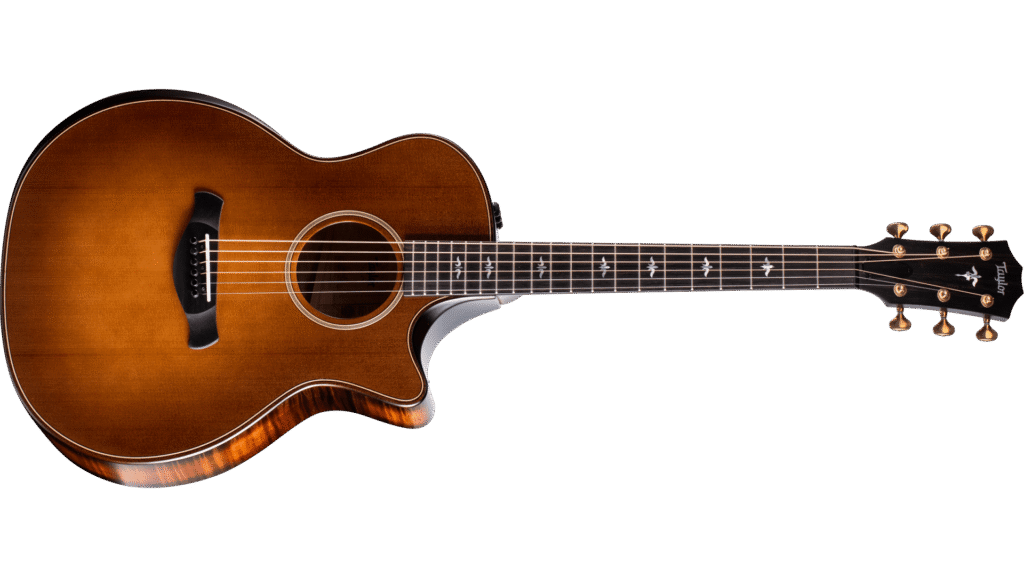
The difference between a regular top and a torrefied one is remarkable. Some call it thermocure: it extracts the moisture out and gives the guitar a much more vintage and aged feel. The tone is warm, rounded, less bright but incredibly rich.
Back and side woods.
While the top does most of the tonal heavy lifting, the back and sides also significantly contribute to a guitar’s voice. They reflect and frame what the top produces.
Indian Rosewood
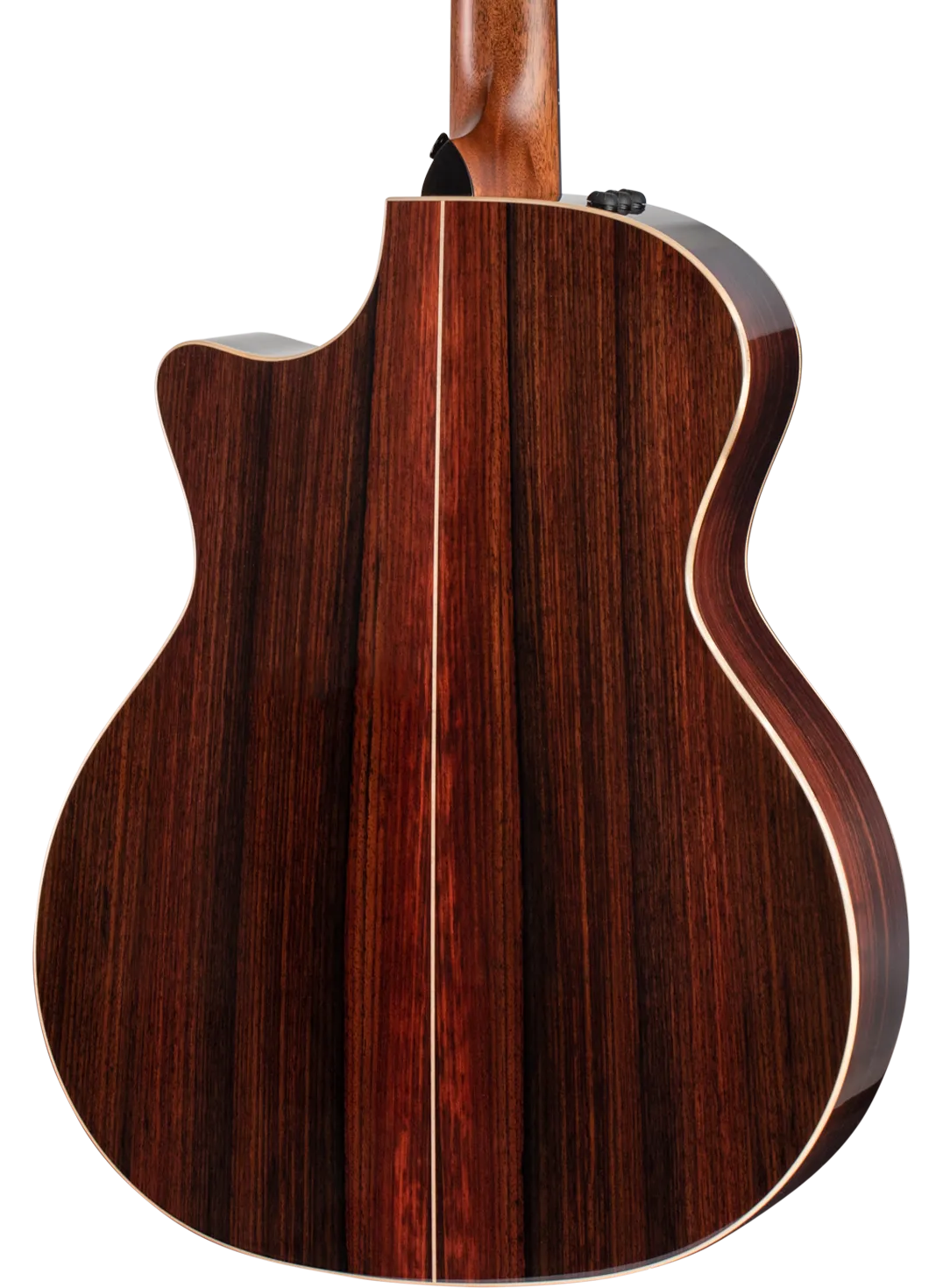
Rosewood has significantly more low-end than mahogany, fewer mids, more highs: a broader dynamic range overall. I often compare it to a Fender Twin Reverb: rich across the entire frequency range. My Taylor 716ce uses Madagascar rosewood, which is similar to Indian rosewood and gives it that beautiful complexity.
Mahogany (back and sides)
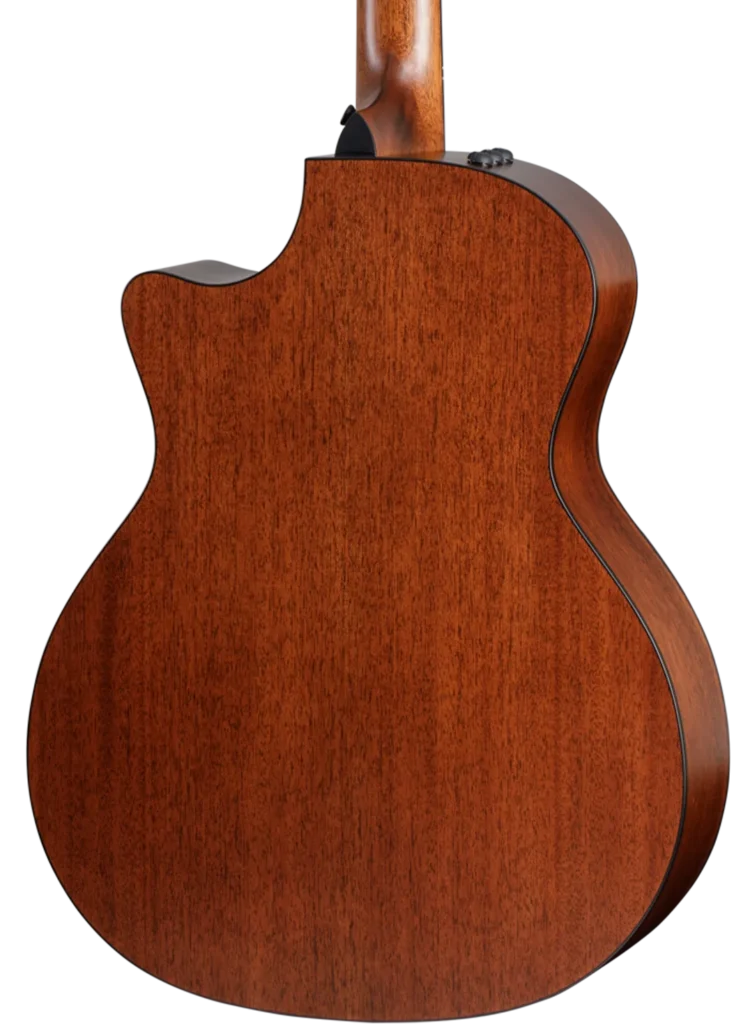
Mahogany has a distinctive mid-range response that makes it easy to hear in a mix. I liken it to a Vox AC30 with EL84 tubes: it cuts through. Excellent projection with ample midrange but relatively few low frequencies, ensuring it stays audible. It’s also famously easy to record.
Maple
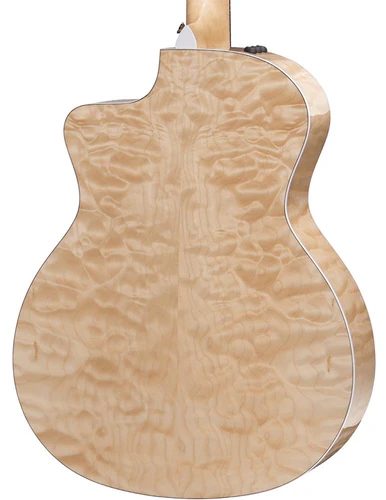
Maple is fascinating because it’s both tonally distinct and visually dramatic. Less bass, more highs, more projection. Ideal for stage guitars: these typically have pickups, and maple’s sound helps reduce feedback. In an acoustic situation, maple delivers more highs, a little less low end, more projection. Every note is audible.
Koa (back and sides)
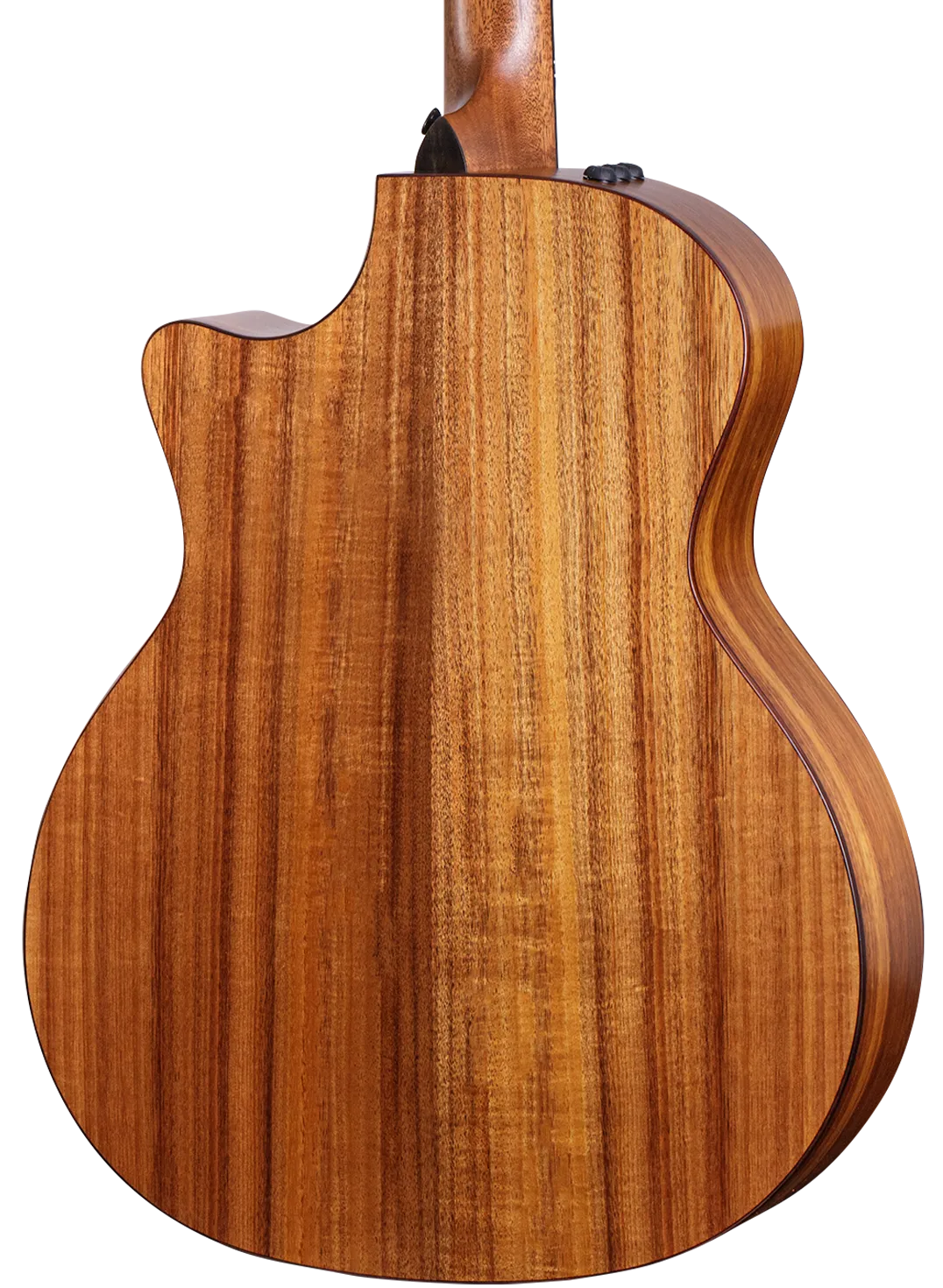
Increasingly popular as a back and side wood. Best for players willing to invest playing time to let the wood “open up,” and anyone looking for a unique tonal character that blends elements of mahogany and rosewood but stands on its own.
Tonewoods comparison chart.
Different woods give your guitar different voices. Here’s how the most common tonewoods compare across the characteristics that shape your sound.
How to read this
The top wood has the biggest influence on your guitar’s voice: Sitka Spruce is the most common and versatile choice. Back and side woods shape color and projection: rosewood adds richness and shimmer, mahogany keeps things focused and warm. There’s no wrong answer: it depends on your playing style and what sounds good to your ears.
Common combinations.
Tops and back/sides aren’t chosen in isolation. Here are the classic pairings and what they tend to sound like.
Sitka Spruce & Indian Rosewood
The classic combination. Balanced, versatile tone with rich bass and overtones. Perfect for all-around use.
Sitka Spruce & Mahogany
Strong midrange focus with good articulation. Excellent for recording and group settings where midrange projection matters.
Cedar & Rosewood
Warm, rich tone with excellent response to light touch. Ideal for fingerstyle players who want warmth and complexity.
Adirondack Spruce & Mahogany
Powerful, punchy tone with excellent projection. Perfect for bluegrass and traditional acoustic styles.
Maple & Sitka Spruce
Bright, clear tone with excellent projection and reduced bass. Well-suited for stage use and ensemble playing.
Solid wood vs laminate.
Solid Wood
Characteristics: Made from solid pieces of wood throughout.
Tonal benefits: Better resonance, develops more complex tone with age, generally superior sound.
Cost implications: Significantly more expensive, especially for higher-grade woods.
Laminated (Layered) Wood
Characteristics: Made from multiple thin layers of wood glued together.
Tonal impact: Less resonant, doesn’t develop with age, but more stable in varying environments.
Cost benefits: Much more affordable, allows for attractive veneers at lower cost.
My experience: The difference between solid and laminated woods is most noticeable in the top. Most guitars at lower price points will have laminated woods: multiple layers of wood or veneer glued together. You can see this by peeking through the soundhole. If it looks rough or weird, it’s probably laminated. If it looks nice and curvy and smooth, with grain running from top to bottom, it’s probably a solid top. I compare some budget guitars with different woods in my video “How bad are cheap guitars? // I tested 4 affordable models”:
Choosing your tonewoods. A quick decision tree.
Which woods are right for you?
- Fingerstyle? → Cedar top or responsive spruce varieties
- Strumming-heavy or bluegrass? → Spruce tops (Adirondack for max volume)
- Blues or roots music? → Mahogany top, or mahogany back/sides
- Ensemble playing? → Maple or mahogany back/sides: they cut through the mix
- Limited budget? → Prioritize a solid top over solid back/sides
- Mid-range budget? → Solid top with solid back/sides in standard woods
- Higher budget? → Premium or exotic wood options, all-solid construction
- Varying humidity? → Laminated back/sides offer greater stability
- Stable environment? → All-solid wood will provide optimal tone
A personal note on tonewoods
Tonewoods are incredibly important, but also deeply personal. I’ve had the opportunity to play identical guitar models with different wood combinations, and the differences are remarkable. The first time I compared these woods back-to-back, I was a little underwhelmed by how much difference there actually was. But as I played them more, the differences became more obvious, and I picked up on them more easily.
That says a lot about comparisons in general. The more you hear a sound and get used to it, the easier it becomes to distinguish different tonewoods. If you truly love one guitar and play another, you’ll quickly notice the differences. It’s worth getting accustomed to these distinctions: it helps you understand your own preferences better. For a deeper exploration, my comprehensive comparison video “Acoustic Tone Woods: Why It Matters!” walks through these woods side by side:
Remember that a guitar’s voice matures over time, particularly with solid woods. Many older guitars sound better today than when they were first built: they open up and develop more character with playing.
Next Chapter: Bracing and Construction