An electric guitar is only half of the equation, your amplifier plays an equally important role in shaping your tone. Let’s explore different amp types and the essential accessories that will complete your electric guitar setup.
Amplifiers.
Types of Amplifiers
Tube (Valve) Amplifiers
Advantages:
- Rich, organic tone that many players consider the gold standard
- Responsive to playing dynamics, clean when played softly, gritty when played hard
- Natural compression that makes solos sing
- Great “pedal platforms” (provides a neutral foundation for guitar effects to shine through)
Disadvantages:
- More expensive than solid-state equivalents
- Heavier than comparable solid-state amps
- Require maintenance (tubes need replacing periodically)
- Less consistent (tube tone can vary from one amp to another)
There’s something special about a good tube amp that’s hard to put into words. The way they respond to your playing touch creates a connection between player and instrument that’s hard to replicate with other technologies. That said, they’re not always practical, especially for beginners or those who need absolute consistency.
Solid-State Amplifiers
Advantages:
- More affordable than tube amps
- Lighter weight and more portable
- Very reliable with minimal maintenance
- Consistent sound from one unit to another
Disadvantages:
- Traditionally less dynamic and responsive than tube amps
- Distortion characteristics can sound harsher than tubes
- Don’t compress as naturally as tube amps
Modern solid-state amps have come a long way. While I still prefer tubes for certain applications, there are excellent solid-state options that sound fantastic and offer practical advantages, especially for beginners and for certain specific tones.
Digital/Modeling Amplifiers
Advantages:
- Incredible versatility, potentially hundreds of sounds in one unit
- Often include built-in effects, eliminating the need for separate pedals
- Many offer direct recording outputs, headphone jacks, and other modern conveniences
- Typically more affordable than buying multiple amps and effects
Disadvantages:
- May lack some of the organic feel and response of a tube amp
- Sound quality can vary significantly between brands and models
- Feature complexity can be overwhelming for some users
The quality of digital modeling has improved exponentially in recent years. For practice, recording, and even many live situations, a good modeling amp or unit can be an excellent choice. They’re particularly useful for players who need a wide variety of tones without carrying multiple amps.
Hybrid Amplifiers
Advantages:
- Often more affordable than full tube amps
- Lighter than comparable all-tube designs
- More reliable and consistent than pure tube amps
- Can still provide some of the tube “feel” and tone
Hybrid amps can be an excellent middle ground. A well-designed hybrid with a tube preamp section can capture much of what makes tubes special while being more practical for everyday use.
Amplifier Sizes and Power
In guitar amplifiers, watts represent the power the amp delivers to the speakers, dictating the amp’s overall loudness and headroom.
Higher wattage amps can generally produce more volume before the sound starts to distort, offering more headroom for clean playing. However, it’s important to note that wattage is not a direct measure of perceived loudness, and doubling the wattage does not double the volume.
Amplifier Form Factors
Amplifier recommendations.
For Beginners (Under $300)
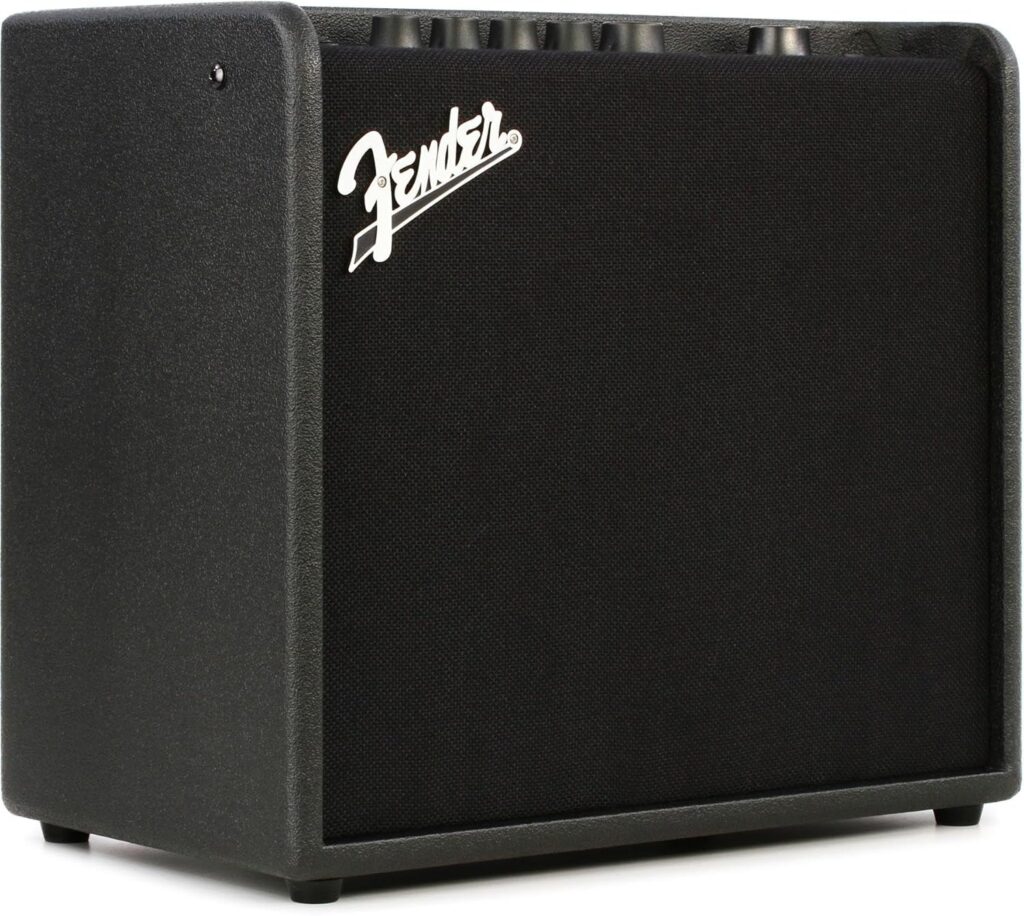
Fender Mustang LT25
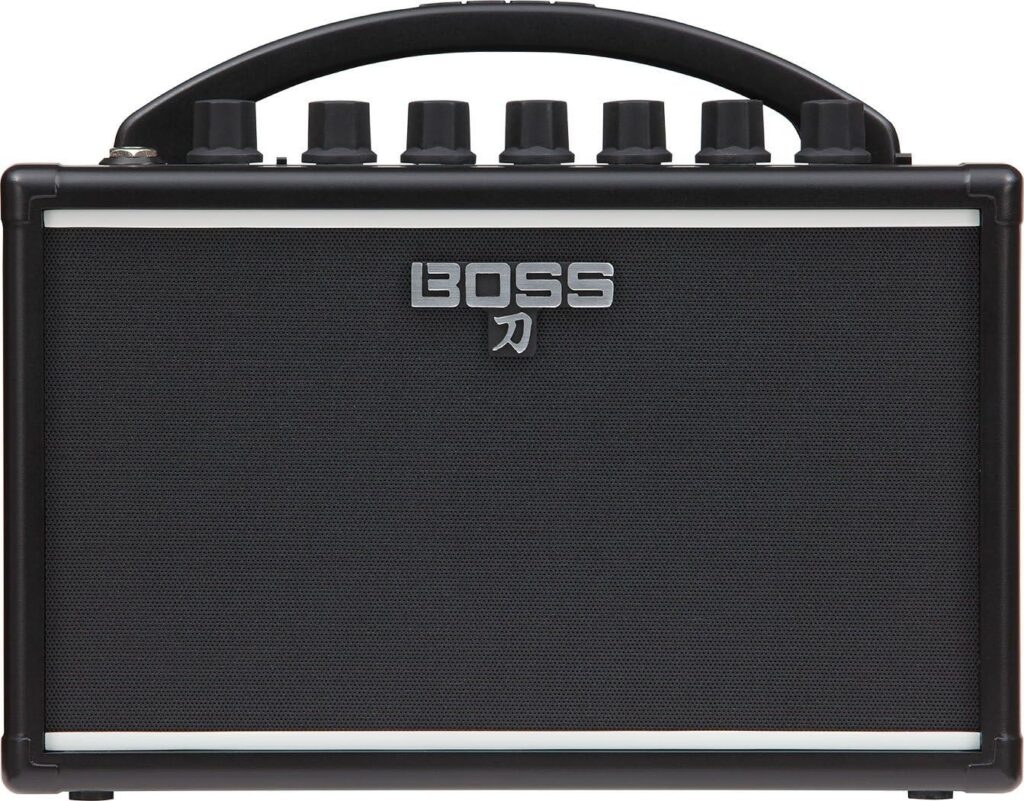
Boss Katana-Mini / Katana-Mini X (if available)
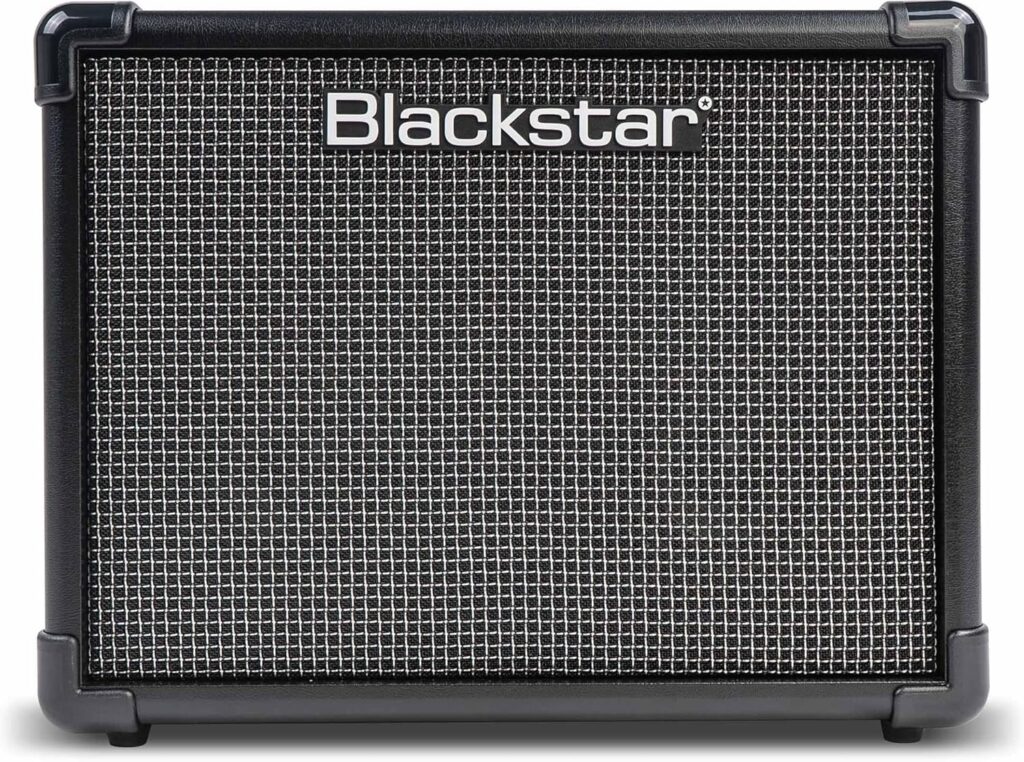
Blackstar ID:Core V4 Stereo 10
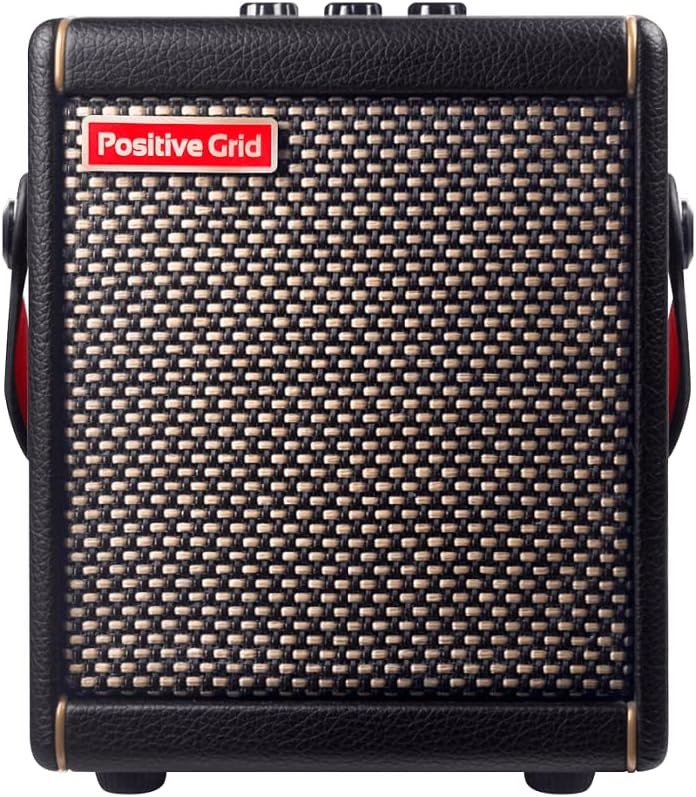
Positive Grid Spark GO / Spark MINI
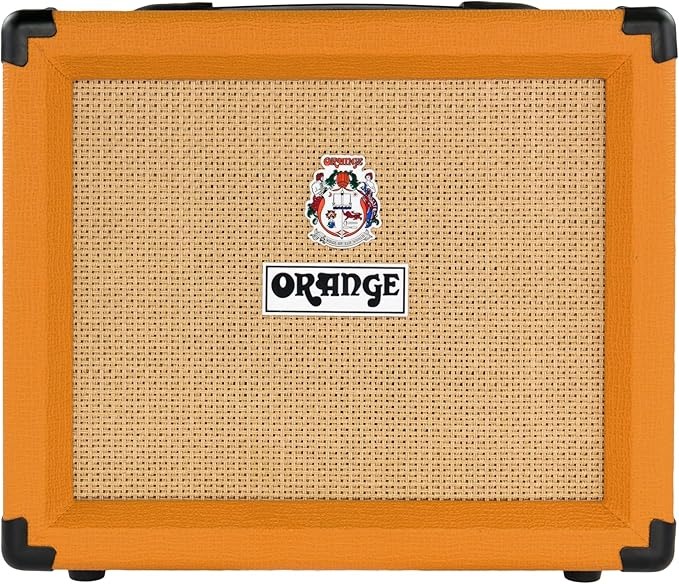
Orange Crush 20RT
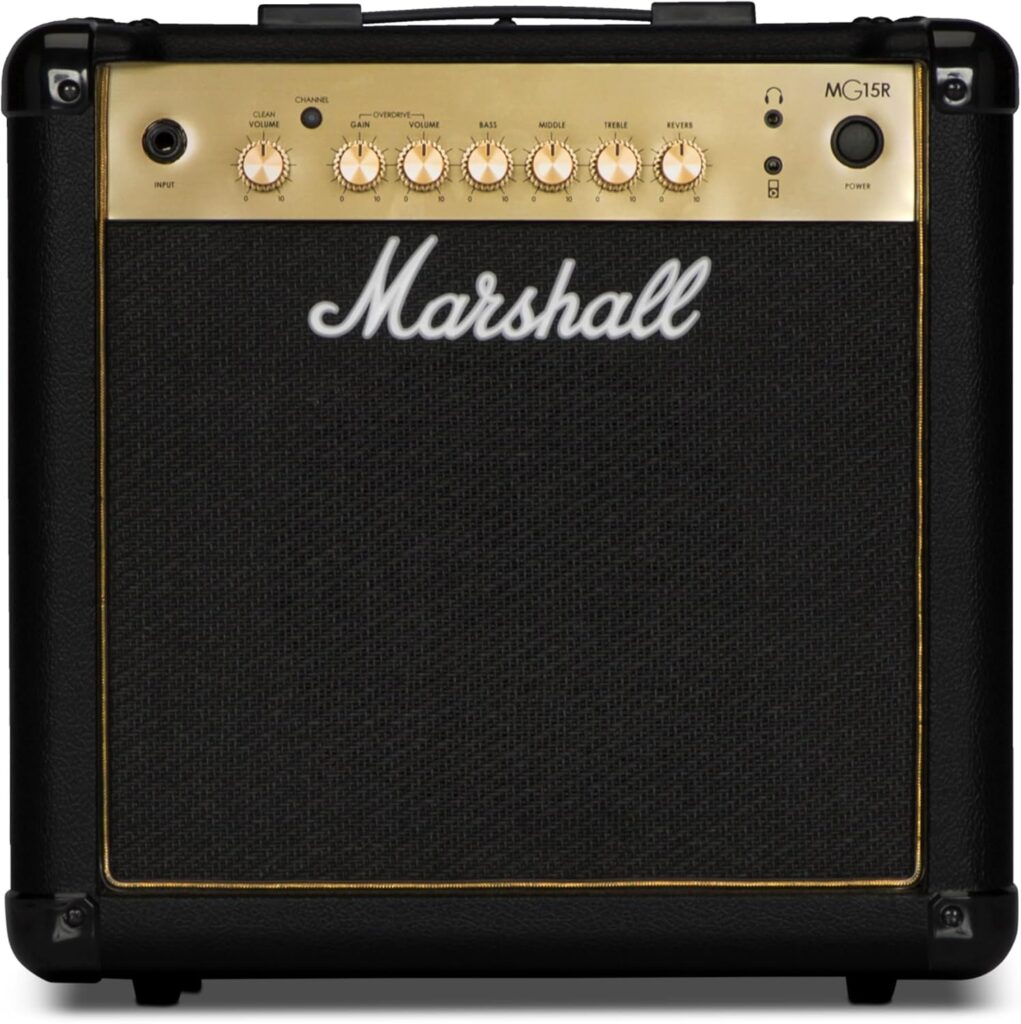
Marshall MG15GR / MG30FX
Mid-Range Options ($300-$800)
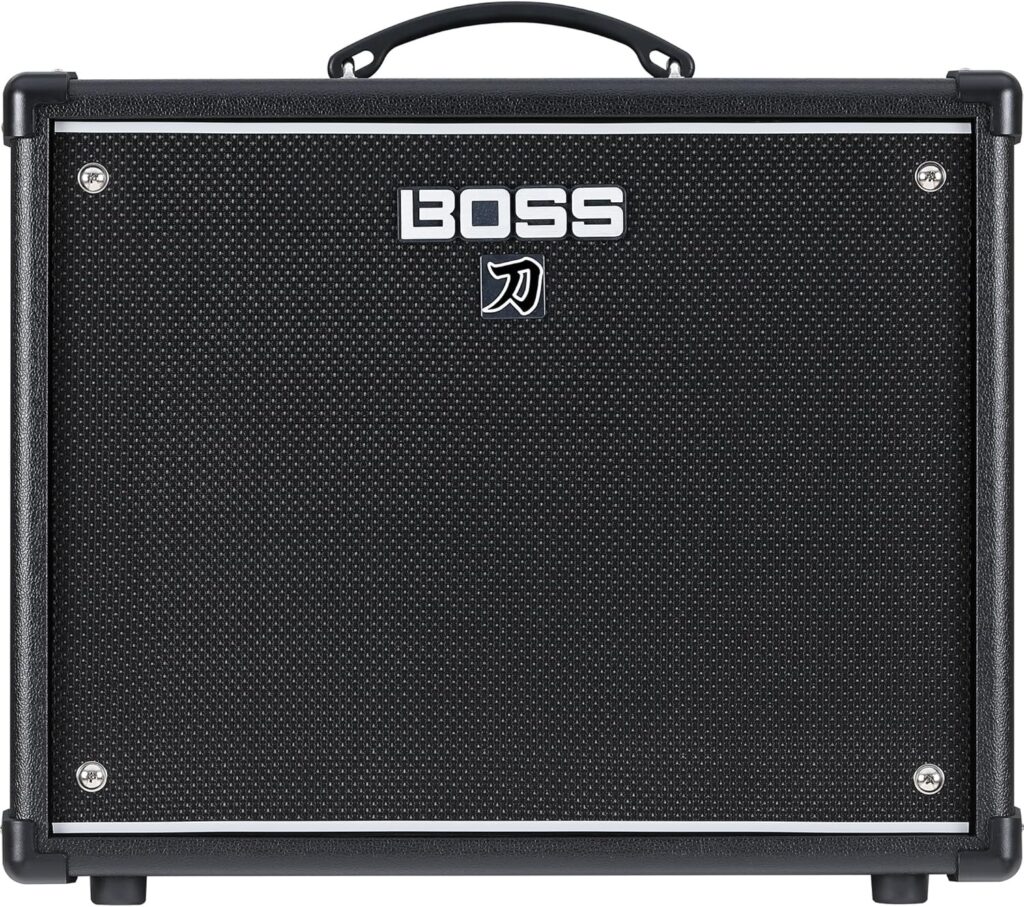
Boss Katana-50 MkII / Katana-100 MkII (Gen 3 Series if available)
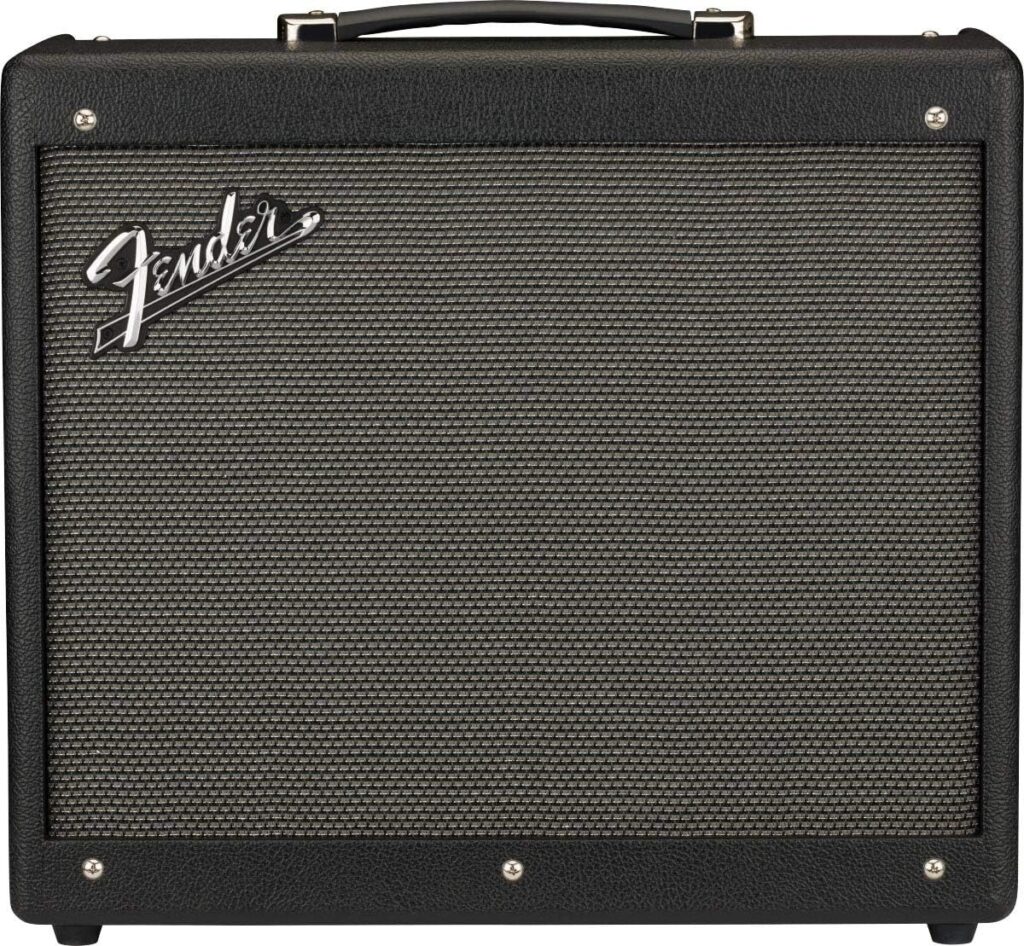
Fender Mustang GTX50 / GTX100
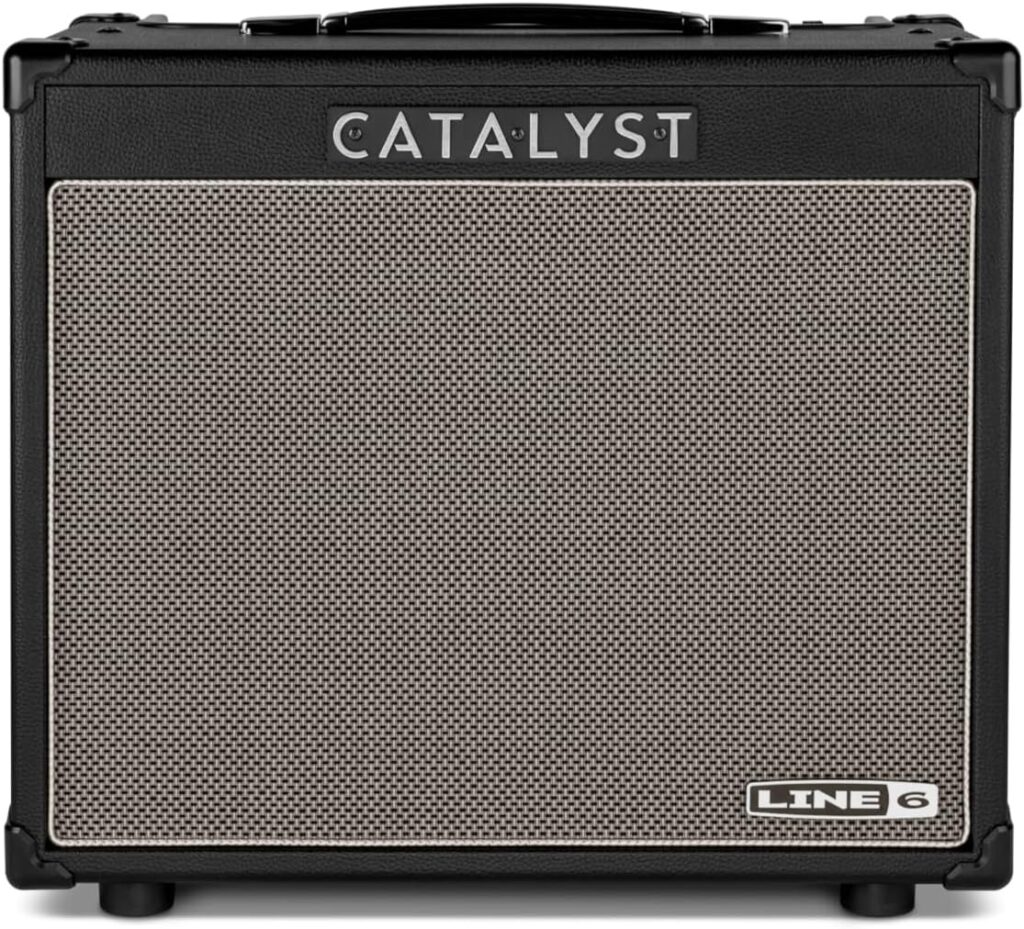
Line 6 Catalyst 60 / Catalyst 100
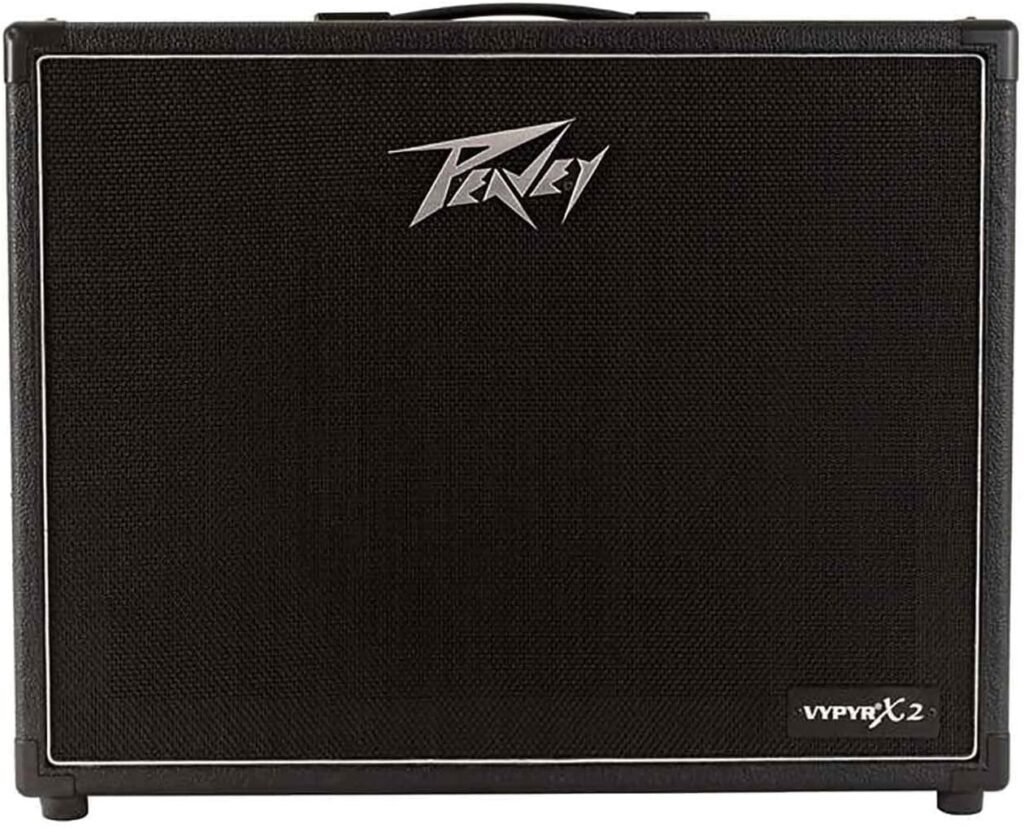
Peavey VYPYR X2 / VYPYR X3
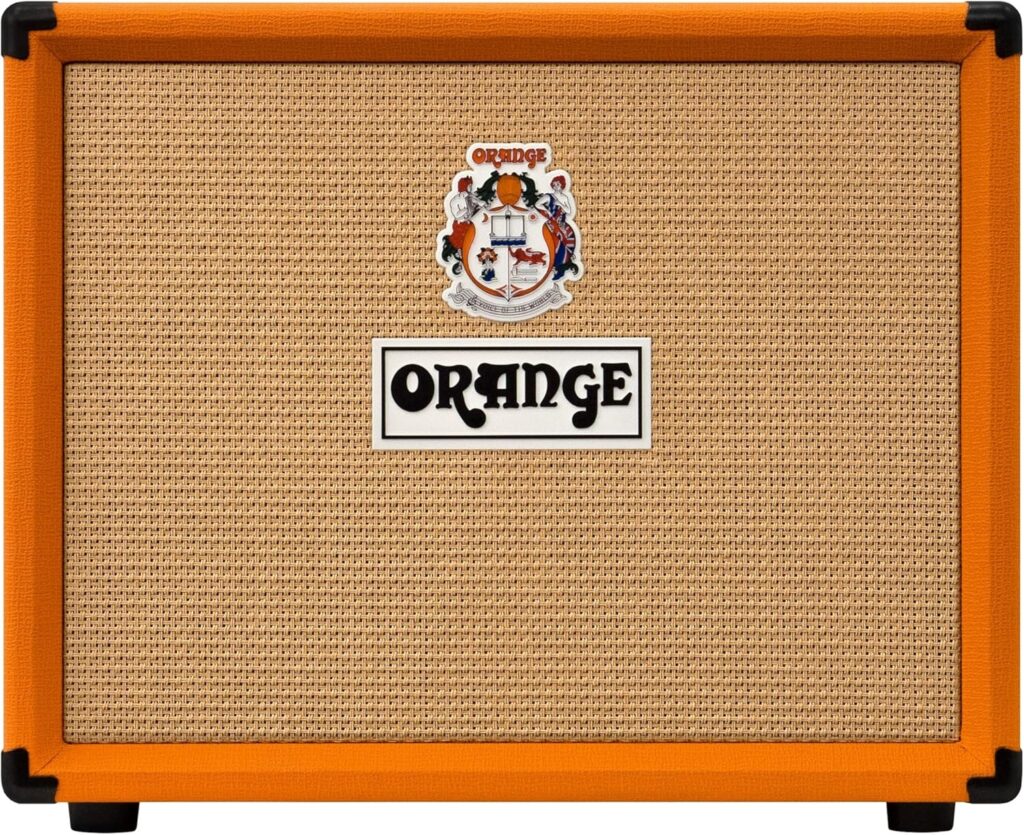
Orange Crush Pro Series (Crush Pro 60, Crush Pro 120)
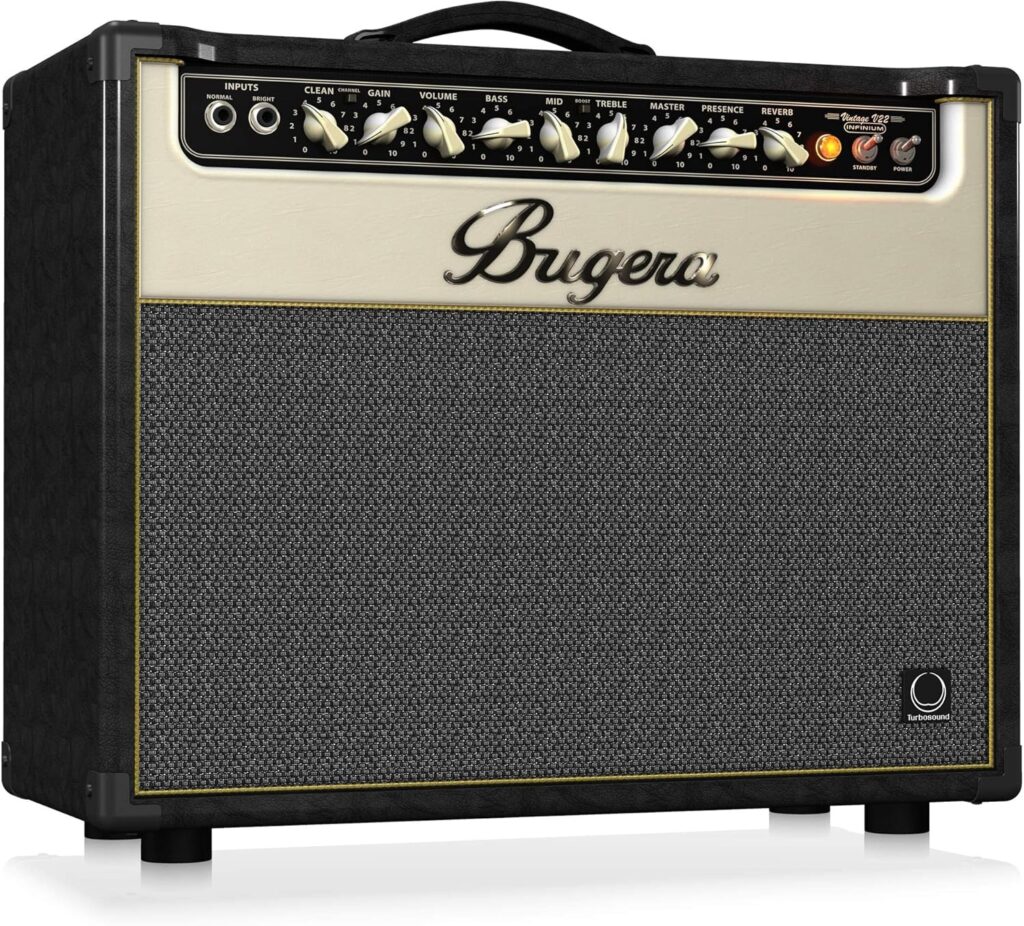
Bugera V22 Infinium
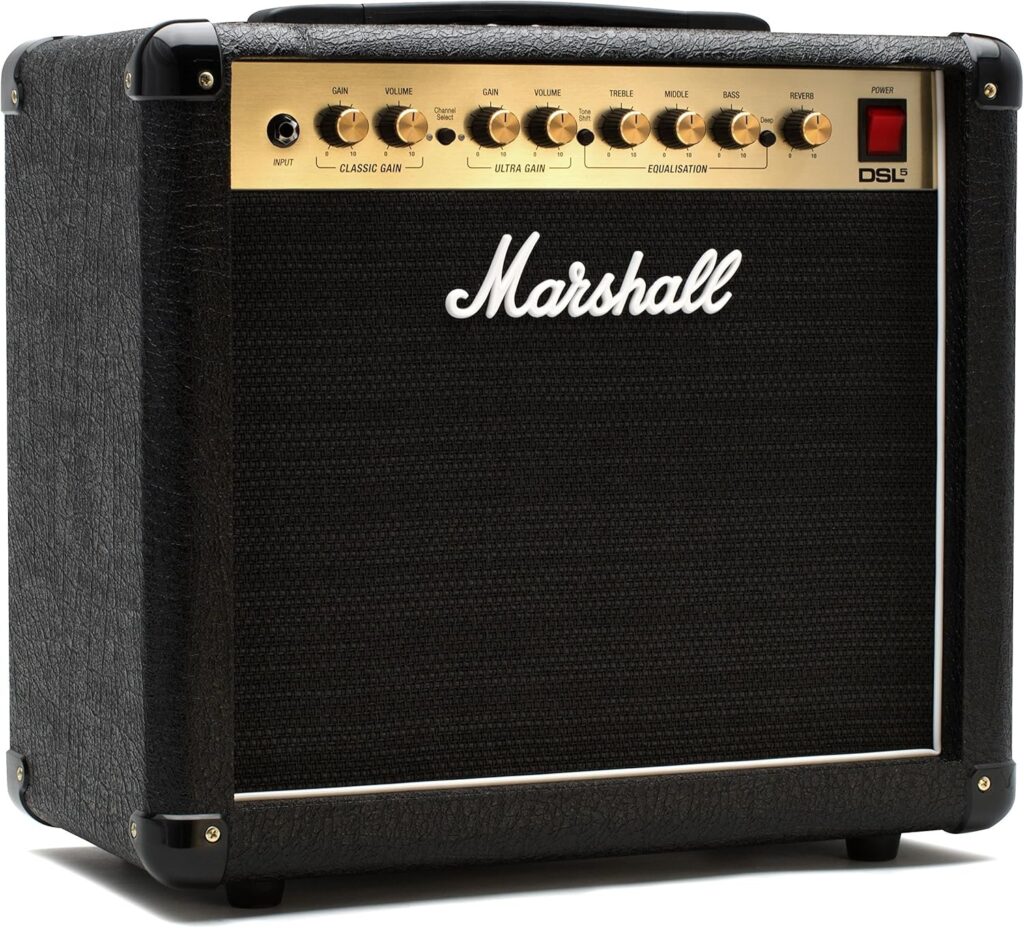
Marshall DSL5C / DSL20C
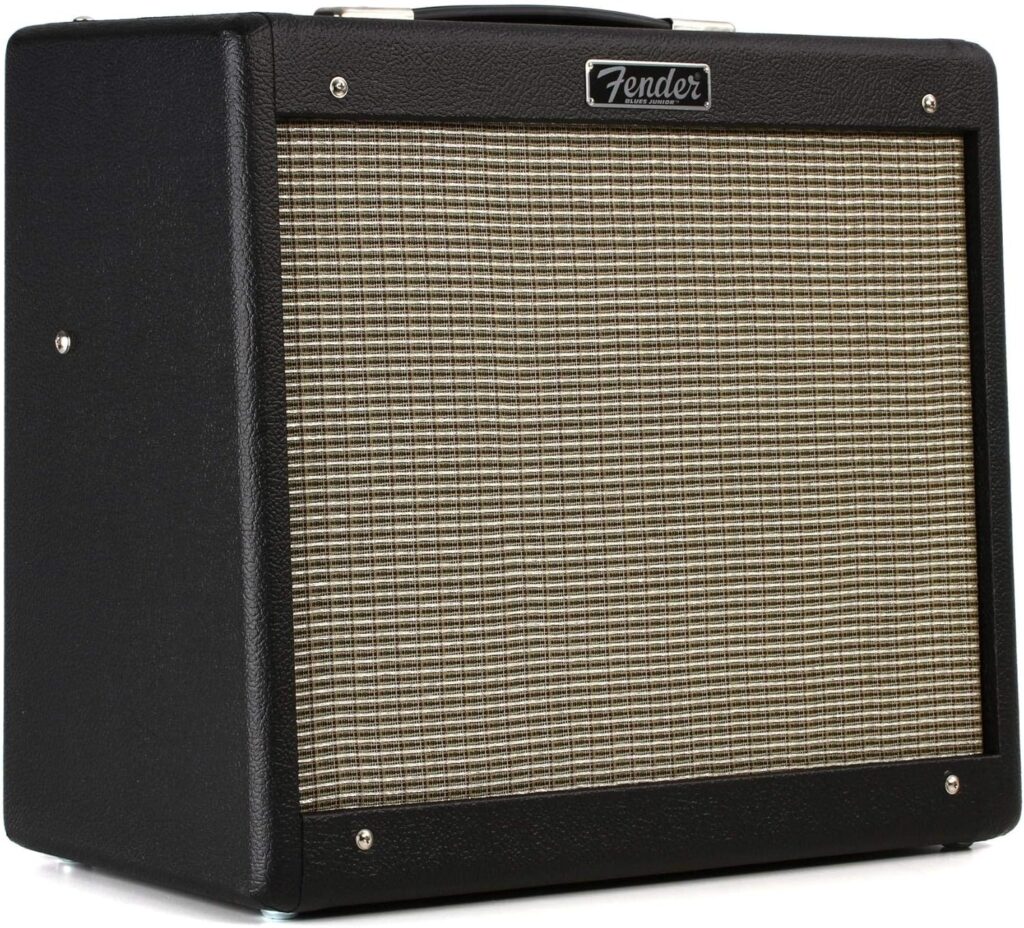
Fender Blues Junior IV
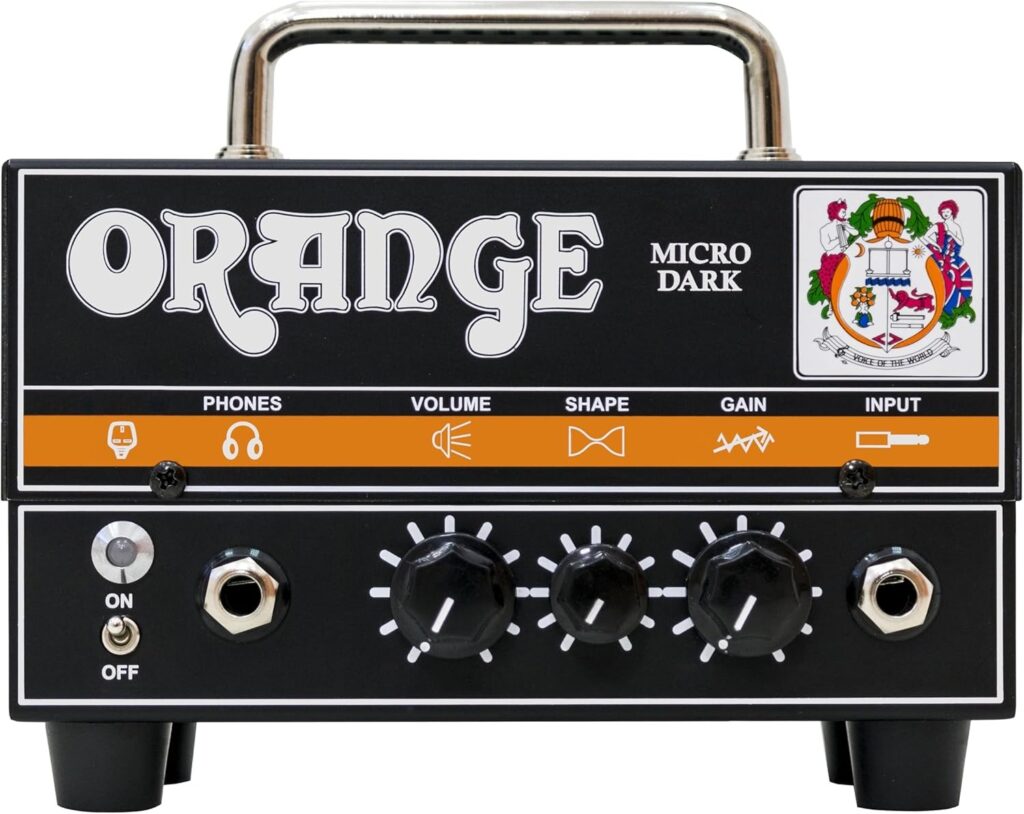
Orange Tiny Terror / Micro Dark (Head + Cabinet combination)
High-End Options ($800+)
When you step into the $800+ range for guitar amplifiers, you’re entering the territory of professional-grade, high-performance equipment. This is where boutique builders, flagship models from legendary brands, and cutting-edge digital processors reside. You’ll find unparalleled tone, exceptional build quality, meticulous component selection, and features designed for serious recording, touring, and discerning players. This is where personal tonal preferences become paramount, and you often pay for the “magic” in the sound.
Iconic Tube Amps (The Sound of Legends)
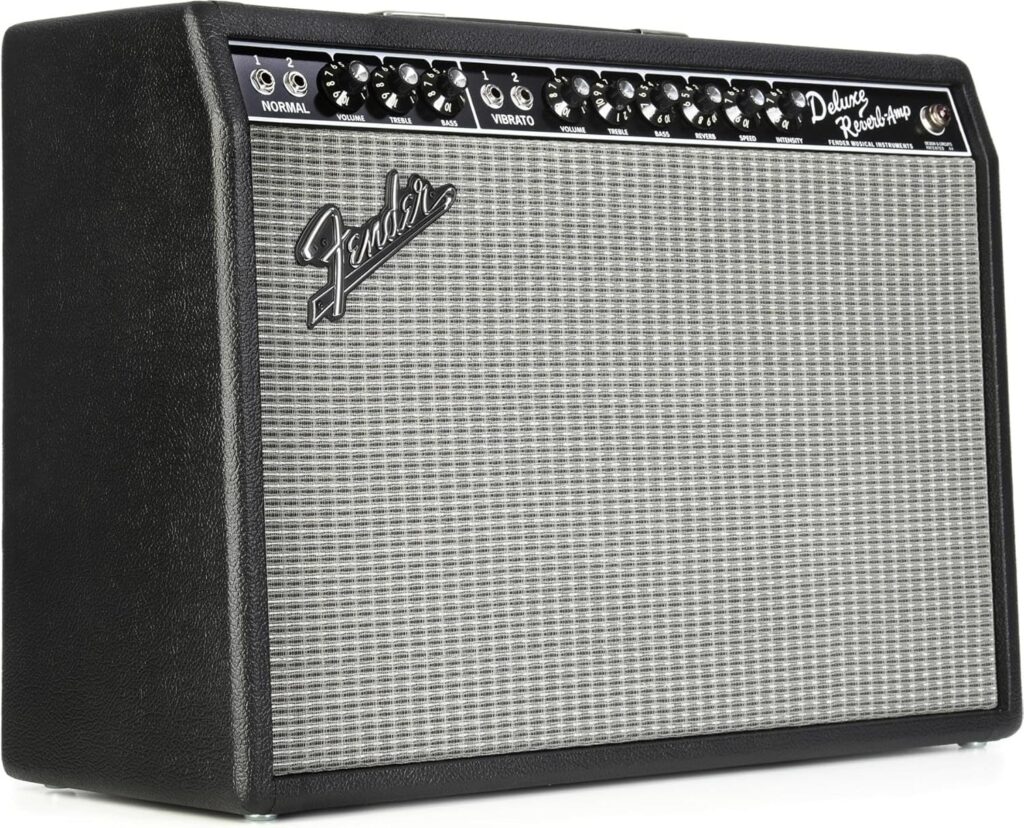
Fender ‘65 Deluxe Reverb / ‘65 Twin Reverb / Hot Rod Deluxe/Deville
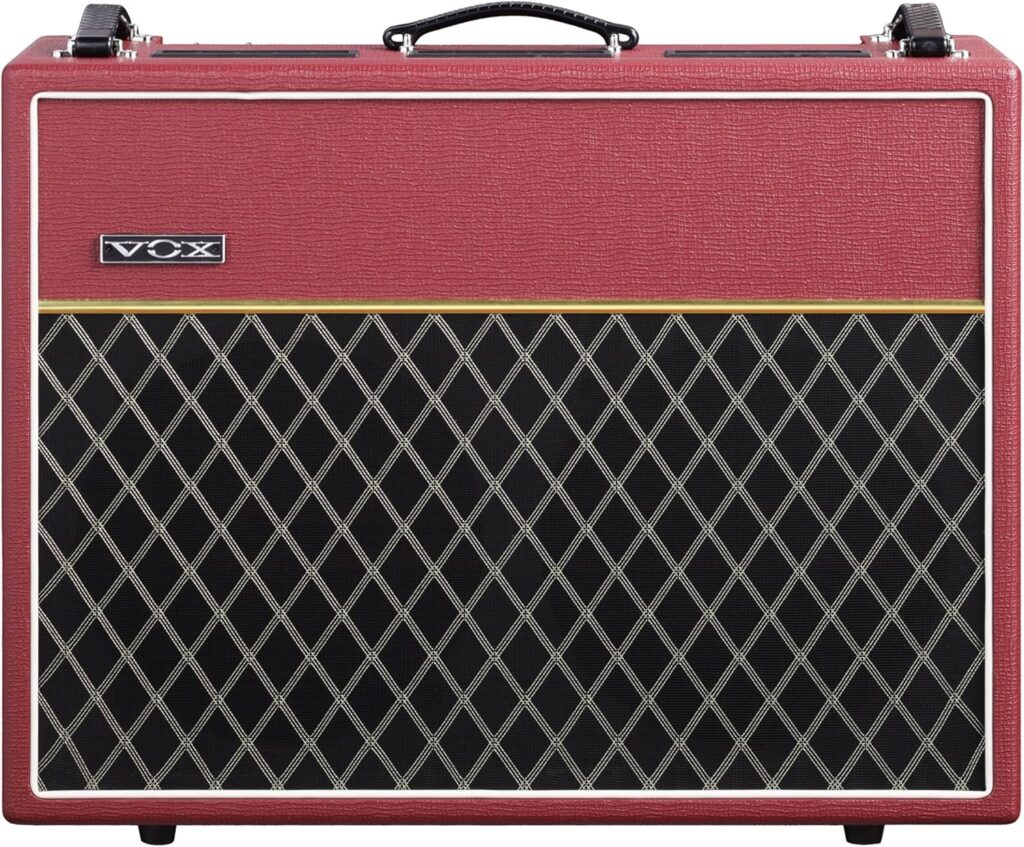
Vox AC15C1 / AC30C2
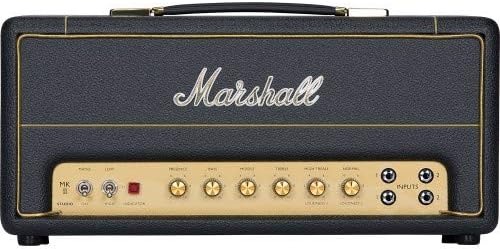
Marshall DSL100HR / Origin 50H / Studio Series (SC20C, SV20H)
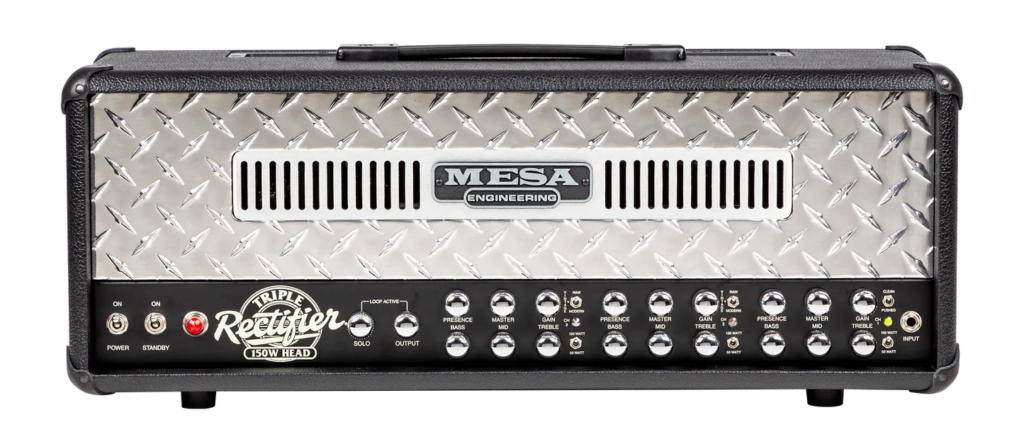
Mesa/Boogie Rectifier Series (Dual/Triple Rectifier, Mini Rectifier) / Mark Series (Mark V:25, Mark V:35) / Fillmore Series
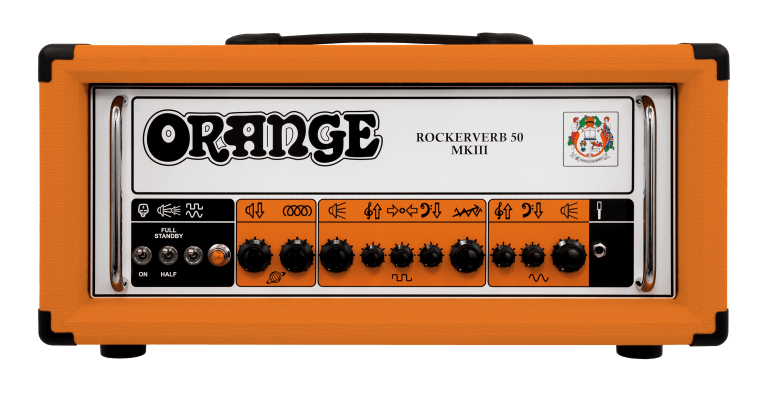
Orange Rockerverb Series / AD Series
High-End Digital & Profiling Amps (Ultimate Versatility & Control)
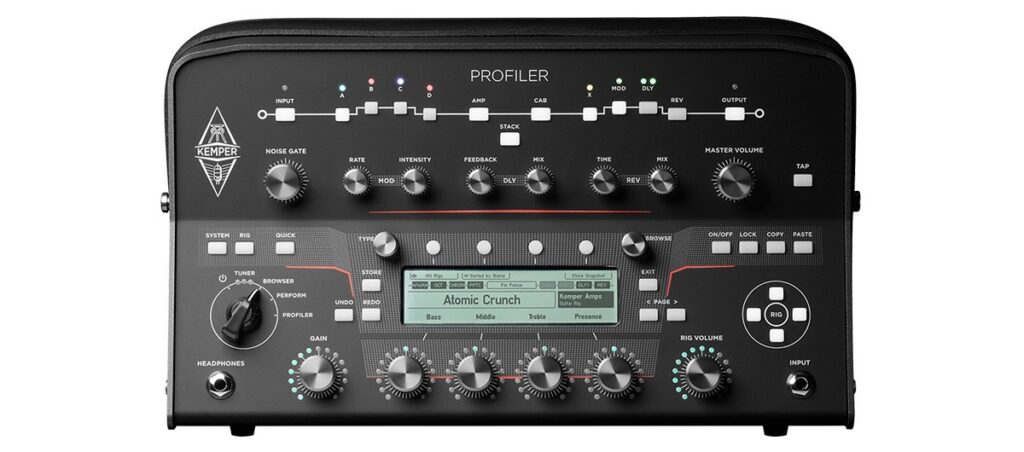
Kemper Profiler (Head, Rack, Stage)
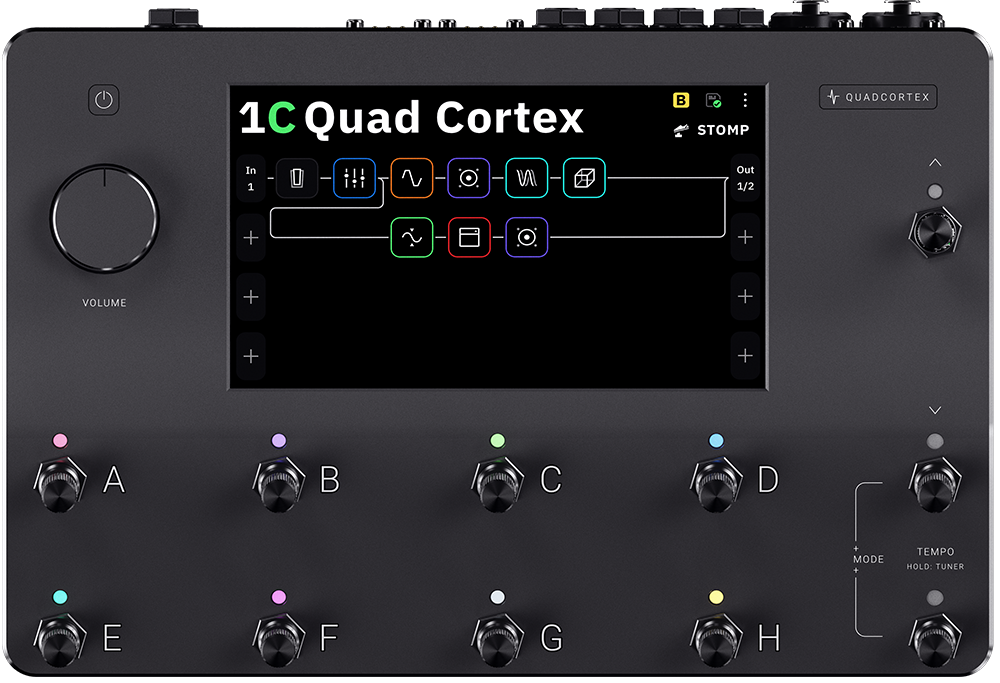
Neural DSP Quad Cortex
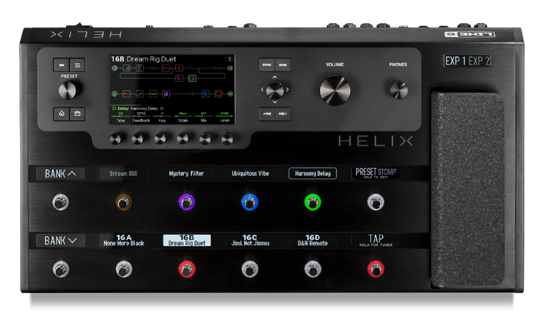
Line 6 Helix (Floor, Rack, LT)
Boutique & High-End Specialists (Tone Perfection)
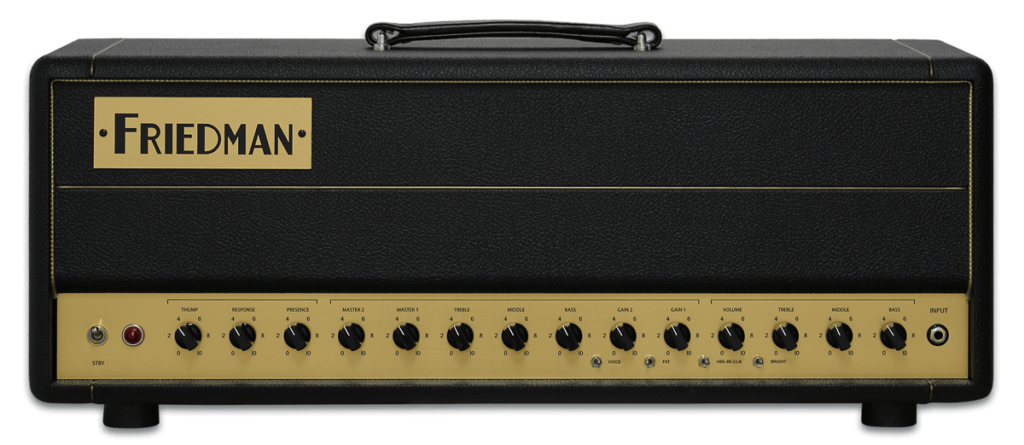
Friedman Amplification (BE-50 Deluxe, PT-20, Small Box)
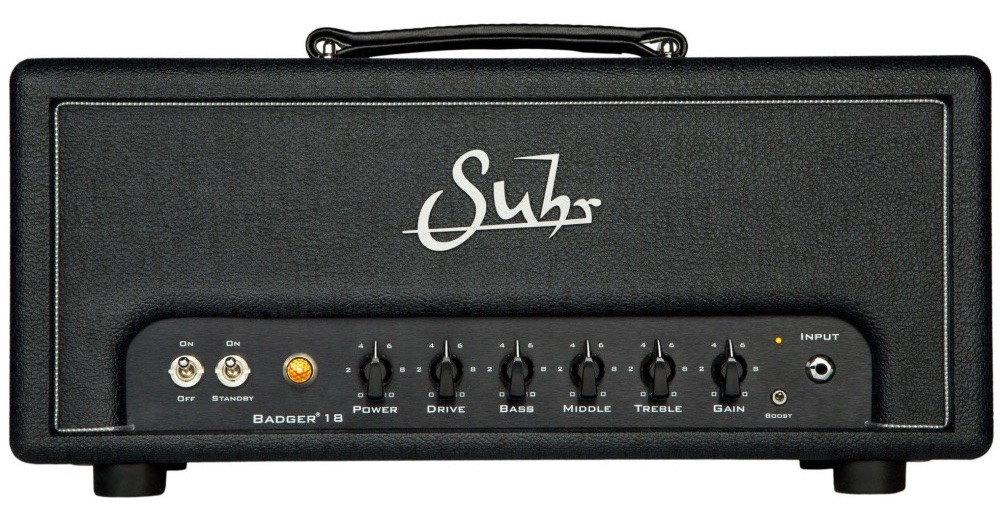
Suhr Amplifiers (Badger 18/30, PT15 I.R.)
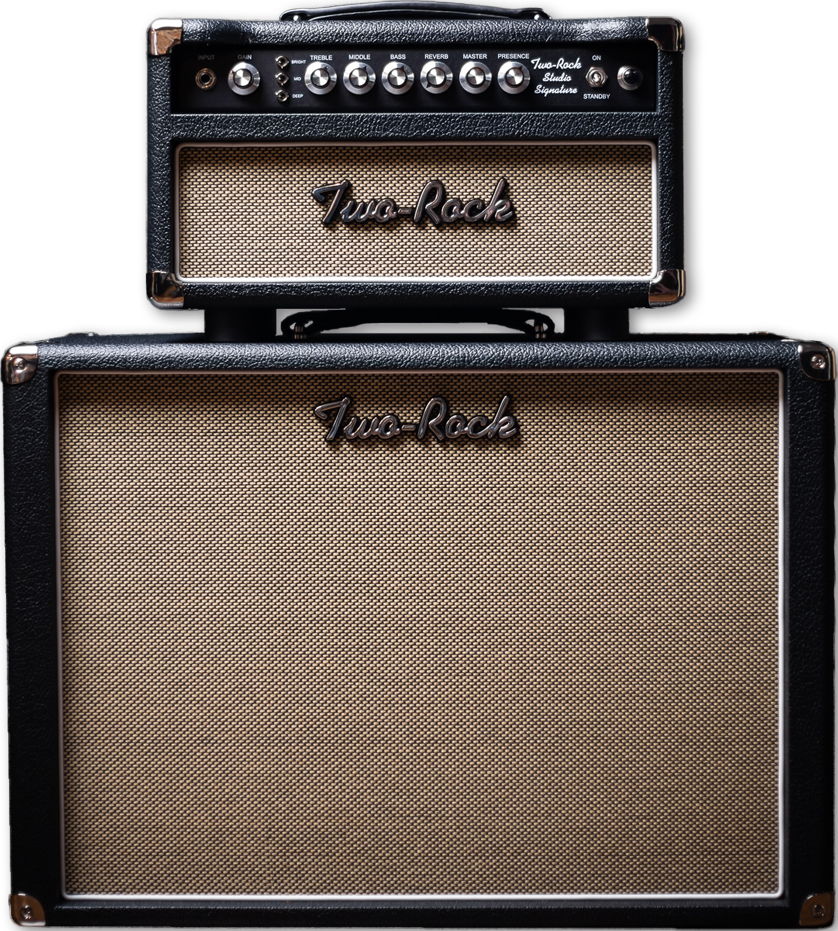
Two-Rock Amplifiers (Classic Reverb, Studio Signature)
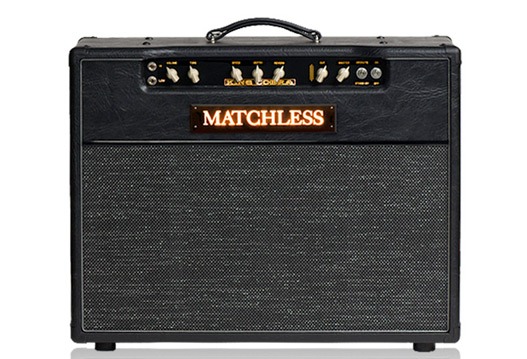
Matchless Amplifiers / Bad Cat Amplifiers
Essential accessories.
Cables
Quality matters: A good cable preserves your tone and reduces noise. Look for well-built cables with quality connectors.
Length considerations: Longer cables can cause tone loss (particularly high frequencies). Use the shortest cable that meets your needs.
Effects Pedals
While not essential for beginners, effects pedals open up new sonic possibilities. If you’re just starting your pedal collection, consider these foundational effects:
- Overdrive/Distortion: Adds grit and sustain to your clean tone. Great for rock, blues, and beyond. My favorites: Ibanez Tube Screamer, Boss BD-2 Blues Driver
- Delay: Creates echoes of your notes. Useful for solos, atmospheric playing, and thickening your sound. My favorites: Boss DD-8, MXR Carbon Copy
- Reverb: Adds space and ambience to your tone. (Skip this if your amp has built-in reverb). My favorites: Strymon Flint, Boss RV-6
- Tuner pedal: Ensures you’re in tune and can mute your signal during breaks. My favorites: TC Electronic PolyTune, Boss TU-3
Picks
Picks come in different materials, shapes, and thicknesses, all affecting your tone and playing feel:
- Thinner picks (0.38-0.60mm): More flexible, good for strumming.
- Medium picks (0.60-0.80mm): Versatile for both strumming and single-note playing.
- Heavy picks (0.80-1.5mm): Provide more control for fast playing and heavier styles.
Straps
A good strap is essential for playing standing up:
- Width: Wider straps distribute weight better, which is important for heavier guitars.
- Material: Leather is durable but can be slippery; suede and fabric options offer more grip.
- Length adjustment: Make sure the strap adjusts to your preferred playing height.
Cases and Gig Bags
Protect your investment with a good case:
- Hard cases: Maximum protection, ideal for valuable instruments and travel.
- Soft cases/gig bags: Lighter, more portable, sufficient for local transport of less expensive instruments.
Strings
Guitar strings are the heart of a guitar’s sound, and they come in various materials, gauges, and windings to affect both tone and playability. Understanding these different aspects allows you to choose strings that suit your style and preferences.
In my video “Do expensive strings sound better? (The Ultimate String Test!)” I play through and compare a variety of different strings:
Gauges:
- Light gauge (9-42 or 10-46 for electric): Easier to bend, lower tension, slightly thinner tone.
- Medium gauge (11-49 for electric): More tension, fuller tone, requires more finger strength.
- Heavy gauge (12-56/13-58): Produce a fuller tone, more defined low end, more tension, requires even more finger strength.
Winding:
- Roundwound: Most common type, offering a brighter sound.
- Half-Round: Ground down for a smoother feel and warmer tone.
- Flatwound: Ultra-smooth surface and a vintage sound.
- Coated: Have a thin layer of polymer coating applied to their surface, typically after they are wound. This coating helps protect the strings from corrosion, dirt, and grime, extending their lifespan and helping maintain tone.
Changing strings:
- Frequency: Change strings regularly, typically every 1-2 months.
- Signs: Look for dull tone, difficulty in tuning, discoloration, or changes in feel.
Tools and Maintenance Supplies
Basic maintenance tools will keep your guitar playing and sounding its best:
- String winder and cutter: Makes string changes faster and easier.
- Hex wrenches (Allen keys): For adjusting the truss rod, bridge, and other components.
- Polishing cloth: To wipe down your guitar after playing and remove fingerprints.
- Guitar polish: For occasional deeper cleaning (use only products made for guitars).
Essential vs. nice-to-have: a practical guide.
Absolute Essentials
- Amplifier: Even a small practice amp is crucial
- Cable: At least one good-quality cable
- Picks: Assortment to find what works for you
- Tuner: Clip-on, pedal, or app
- Extra strings: Strings break at the worst moments!
Next Level Additions
- Effects pedals: Start with versatile options like overdrive
- Strap and strap locks: For playing standing up
- Hard case or gig bag: Protect your investment
- Basic setup tools: For maintenance and adjustments
Luxury Items
- Multiple amplifiers: Different amps for different tones
- Extensive pedalboard: For tone exploration
- Premium cables: For maximum tone quality
- Multiple guitars: For exploring different sounds, backup for live gigs
Finding your amplifier: decision tree.
Start with your primary playing environment
- Mostly practicing at home? Consider a small practice amp with headphone output
- Need to play with a live drummer? You’ll need at least a mid-sized amp (20W tube or 40W+ solid-state)
- Playing primarily clean tones? You’ll need more power for clean headroom
- Want built-in effects? Look at digital modeling amps
- Prioritize pure tone over features? Consider a simple tube amp
A personal note on amplifiers and accessories
Over the years, I’ve learned that while a great guitar is important, the amp might be even more crucial to your overall sound. I’ve played expensive guitars through mediocre amps that sounded average at best, and more modest guitars through excellent amps that sounded fantastic.
If you’re on a limited budget, I’d recommend spending a higher percentage on a good amp than most beginners typically do. A decent guitar through a great amp will often sound better than a great guitar through a poor amp.
As for accessories, start with the essentials and add more to your setup as your needs evolve. It’s easy to get caught up in “gear acquisition syndrome,” but remember that great music has been made on very simple setups. Focus on playing rather than collecting, and add gear that solves specific problems or opens new creative possibilities rather than just accumulating stuff.